


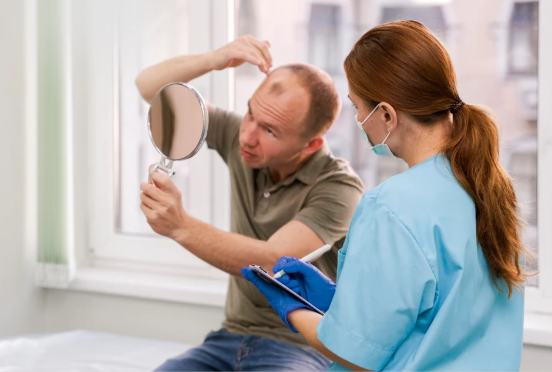
Not every hair problem is the same. Hair falling from the roots, gradually becoming thinner, and breaking along the length of the strand may look similar at first, but they can have very different causes. Treating them as one problem can make it difficult to identify what your hair actually needs.
This is why choosing a hair treatment Dubai option should begin with understanding the type of concern you are experiencing. A closer look at the pattern, duration, and condition of your hair and scalp can help determine whether the focus should be on scalp care, strengthening existing hair, addressing an underlying issue, or exploring professional hair-restoration options.
Hair Fall, Thinning, and Breakage Are Different
One of the easiest ways to understand a hair concern is to identify where the problem appears.
- Hair fall generally refers to hair coming out from the scalp. Seeing strands on a pillow, brush, or shower floor can be normal to some extent, but a noticeable increase in shedding may deserve attention.
- Hair thinning is different. Instead of simply losing individual strands, a person may notice reduced density, a wider parting, a receding hairline, or more visible scalp.
- Hair breakage occurs when the hair shaft breaks somewhere along its length. Shorter broken strands, uneven ends, and increased split ends can sometimes indicate this type of concern.
Recognising the difference can be the first step towards choosing an appropriate approach.
When Hair Is Falling More Than Usual
Temporary shedding can occur for various reasons. Changes in routine, stress, nutritional factors, hormonal changes, certain medications, illness, and other conditions can sometimes influence the hair-growth cycle. This means that increased shedding does not automatically mean a person needs a cosmetic procedure.
If hair fall is sudden, persistent, or accompanied by other changes, professional evaluation may be useful. Instead of immediately searching for a hair treatment for hair loss, understanding the potential reason behind the change can provide a more useful starting point. A professional may ask when the shedding began, whether it is happening throughout the scalp or in specific areas, and whether there have been any recent changes in health or lifestyle.
When the Main Concern Is Thinning
Thinning can be more gradual and may be easier to overlook in the early stages. Someone might notice that their ponytail feels smaller, their parting appears wider, or the scalp is becoming more visible under certain lighting. In some cases, the hairline may gradually recede, or the crown may become less dense.
Pattern hair loss is one possible cause, but it is not the only one. For this reason, a professional assessment can help distinguish between different patterns of thinning and determine what options may be appropriate. Depending on the cause and individual circumstances, a hair treatment for hair loss may involve a non-surgical approach or, for suitable candidates, a hair-restoration procedure.
When Hair Is Breaking Instead
Hair breakage requires a different perspective. If strands are snapping along their length rather than falling directly from the scalp, the focus may need to shift towards hair-shaft care. Excessive heat styling, chemical processing, tight hairstyles, rough brushing, and other forms of mechanical or environmental stress can contribute to breakage.
The signs can include:
- Short broken strands
- Uneven hair lengths
- Split ends
- Rough or dry-feeling hair
- Increased tangling
- Reduced appearance of hair length
In these situations, simply treating the issue as hair loss may not address the actual concern.
Why the Scalp Deserves Attention
The condition of the scalp can provide useful clues about certain hair concerns. Changes such as persistent irritation, excessive oiliness, dryness, flaking, or discomfort may occur alongside some hair problems. While these signs do not automatically identify a specific condition, they can be worth discussing during a professional assessment. A comprehensive hair treatment Dubai approach may therefore look at both the scalp and the hair itself rather than focusing exclusively on visible hair loss.
The Same Treatment Does Not Work for Every Problem
One of the biggest misconceptions about hair care is that there should be one universal solution for hair concerns. Someone dealing with breakage may need a completely different approach from someone experiencing progressive thinning. Similarly, temporary shedding may require a different evaluation from established pattern hair loss.
This is why personalised assessment matters. A professional can consider the hair-loss pattern, scalp condition, hair characteristics, medical history, previous treatments, and other relevant factors before suggesting an approach.
Where Hair Restoration Fits In
Hair transplantation is generally considered for selected individuals experiencing certain types of permanent or progressive hair loss. The procedure involves moving hair follicles from a donor area to areas where greater density is desired. However, it is not automatically appropriate for everyone experiencing shedding or thinning.
The quality and availability of donor hair, pattern of hair loss, age, existing density, and long-term expectations can all influence whether transplantation is considered suitable. This distinction is important when researching a hair treatment for hair loss. Not every person experiencing hair fall needs a transplant.
Why Timing Can Matter
Ignoring changes in your hair does not necessarily make them disappear. At the same time, immediately choosing an aggressive treatment without understanding the cause may not be the right approach either.
The more useful strategy is to pay attention to changes and seek professional guidance when a concern becomes persistent or noticeable. Early assessment can provide an opportunity to understand what is happening and discuss suitable options before making a treatment decision.
What Your Hair Routine Could Be Telling You
Daily habits can sometimes contribute to the appearance and condition of the hair. Frequent heat styling, repeated chemical treatments, tight hairstyles, aggressive brushing, and unsuitable hair-care products can place stress on the hair shaft. If the primary issue is breakage, reviewing these habits may be an important part of the solution.
However, if hair is consistently thinning from the scalp, changing shampoo alone may not address the underlying issue. Understanding whether the concern originates from the scalp, follicle, or hair shaft is therefore important.
How to Approach Professional Treatment
Before booking a hair treatment Dubai service, consider what you actually want to address.
- Is your hair suddenly shedding?
- Has your density gradually decreased?
- Are you noticing a receding hairline?
- Or does your hair look shorter and uneven because strands are breaking?
Answering these questions can help make a consultation more productive. It is also worth asking what the recommended treatment is designed to address, how many sessions may be required, what recovery or maintenance may involve, and what results can realistically be expected.
Avoiding One-Size-Fits-All Hair Advice
Social media has made it easy to discover countless hair-care routines and treatment recommendations. But what works for one person may not be suitable for another. Hair type, scalp condition, genetics, lifestyle, medical history, and the cause of the problem can all be different. Instead of following every trending treatment, focus on understanding your own hair concern first. This is particularly important when considering a hair treatment for hair loss, because the term covers many different situations.
When It Is Time to Seek Professional Advice
Occasional shedding or minor breakage may not necessarily indicate a serious problem. However, persistent or rapidly changing hair concerns deserve attention.
Consider seeking professional advice if you notice:
- Sudden or significant shedding
- Rapidly increasing thinning
- Noticeable bald patches
- A progressively receding hairline
- Persistent scalp changes
- Hair loss accompanied by other unusual symptoms
A professional evaluation can help determine whether further investigation or treatment is appropriate.
Choosing the Right Treatment Starts With the Right Question
Instead of asking, “What is the best hair treatment?” a more useful question may be, “What is actually happening to my hair?” That distinction changes the entire approach. Hair falling from the scalp, gradual thinning, and breakage along the hair shaft can require different strategies. Understanding the difference can help you avoid unnecessary treatments and focus on options that are relevant to your specific concern.
Conclusion
Hair problems can appear similar while having very different causes. Hair fall may involve changes in the growth cycle, thinning can be associated with progressive loss of density, and breakage may be related to damage along the hair shaft.
For anyone considering a hair treatment Dubai option, identifying the underlying concern should come before choosing a procedure. Similarly, those searching for a hair treatment for hair loss should understand that treatment depends on the type and cause of the hair loss rather than following a universal solution.
Cutis International offers professional hair and scalp treatments designed around individual concerns, helping patients explore suitable options through personalised assessment and treatment planning.


