


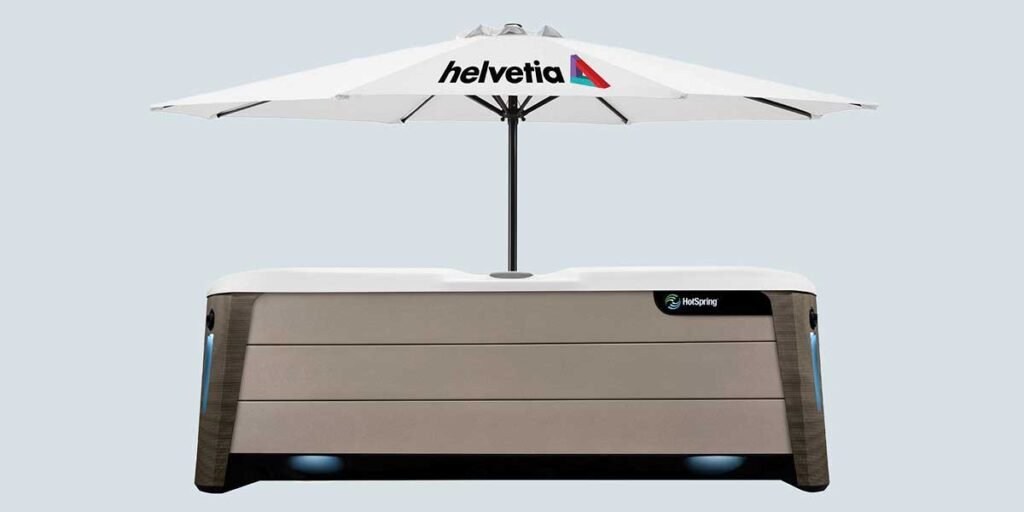
Hail can arrive quickly and cause real damage to outdoor spa equipment. A hot tub is built for weather exposure, but its cover, cabinet, controls, and surrounding accessories still need protection. With a practical plan, owners can reduce impact damage and keep soaking areas safer through storm season.
Why Hail Protection Matters
Even small hailstones can dent covers, crack plastic parts, and damage nearby steps or furniture. Larger hail can puncture a weakened cover or loosen exterior panels. The best approach combines everyday maintenance with fast storm preparation when severe weather is expected.
hot tubs in Calgary often face changing conditions, including wind, heavy rain, sudden temperature shifts, and hail. These factors make durable materials and consistent upkeep especially important for long-term performance.
Start With a Strong, Well-Fitting Cover
The cover is the first line of defence. A high-quality cover should sit securely, seal evenly, and resist water absorption. If it is sagging, cracked, or heavy from trapped moisture, it may not protect the shell properly during a hailstorm.
- Check the vinyl surface for splits, soft spots, or worn seams
- Make sure the cover fits tightly around the spa edge
- Use locking straps when wind is expected
- Replace covers that no longer shed water effectively
A cover cap can add another protective layer. These lightweight shields sit over the regular cover and help reduce direct impact from hail, rain, and debris. They are especially useful when the hot tub is not used daily.
Use Barriers to Reduce Direct Impact
Permanent or seasonal shelter can greatly reduce hail exposure. A pergola, roof extension, privacy wall, or heavy-duty canopy may help deflect hail before it reaches the spa. Any overhead structure should be stable, properly anchored, and suitable for local weather loads.
Avoid placing loose tarps, boards, or furniture on top of the cover during a storm. These items can shift in wind, scratch surfaces, or add uneven weight. Protection should be secure, balanced, and designed for outdoor use.
Protect the Surrounding Area
Damage often comes from objects around the hot tub, not just hail itself. Patio chairs, umbrellas, planters, and storage bins can become hazards in strong wind. Keeping the spa area tidy reduces the chance of impact damage during severe weather.
- Store loose cushions and lightweight accessories before storms
- Close and secure umbrellas
- Move breakable decor away from the spa
- Keep branches trimmed above and near the hot tub
Check Water Levels and Power Safety
Before storm season, confirm that the water level is within the recommended range. Proper water level helps the system operate correctly after the storm passes. If a severe storm is expected, avoid opening the cover until conditions are safe and debris has been cleared.
Electrical safety matters around any outdoor spa. Controls, outlets, and shutoff points should remain accessible and protected from pooling water. If hail damages panels, wiring areas, or the control interface, the spa should not be operated until it has been inspected.
Inspect the Hot Tub After Hail
After a storm, start with a visual inspection. Look for dents, cracks, punctures, or shifted components. Check the cover first, then the cabinet, steps, lifter, controls, and nearby shelter. Remove debris carefully to avoid dragging sharp material across surfaces.
- Look for water pooling on the cover
- Check whether the cover still seals evenly
- Inspect cabinet panels for cracks or loosened fasteners
- Confirm the cover lifter moves smoothly
- Watch for unusual pump sounds after restarting
If water inside the spa appears dirty after the storm, test and balance it before use. Hail and wind can introduce organic debris, dust, and contaminants. Cleaning the filter and adjusting sanitizer levels helps restore proper water quality.
Choose Materials With Storms in Mind
Durability should be part of the buying decision. The best hot tub for a storm-prone backyard will have a strong cover, reliable insulation, weather-resistant cabinet materials, and accessible service panels.
Cover quality is just as important as shell design. Dense foam cores, reinforced seams, tapered drainage, and dependable straps all improve protection. A strong spa base also helps keep the unit level during freeze-thaw cycles and heavy rain.
Seasonal Habits That Reduce Risk
Hail protection is easier when maintenance is routine. Clean the cover regularly, condition vinyl when appropriate, and keep snow or heavy debris from sitting too long. Small problems, such as cracked stitching or loose straps, should be addressed before storm season intensifies.
Documenting the condition of the spa can also be helpful. Photos taken before and after major storms make it easier to identify new damage. Keep records for covers, accessories, repairs, and inspections in one place.
Keeping Your Spa Ready for Severe Weather
A hot tub can handle challenging weather when it is protected by the right cover, smart placement, secure surroundings, and regular inspections. Preparing before hail season is more effective than reacting after damage occurs. Simple habits can preserve comfort, safety, and equipment life year-round.


