


Why is my tire pressure light blinking is one of the most common dashboard warning questions drivers face today. A blinking or flashing TPMS light is not the same as a steady one — it means something more specific is going on with your vehicle’s Tire Pressure Monitoring System.
Whether you are sitting in a cold parking lot at 6 AM or cruising down the highway, that blinking symbol deserves your full attention.
What Is the TPMS and Why Does It Matter?
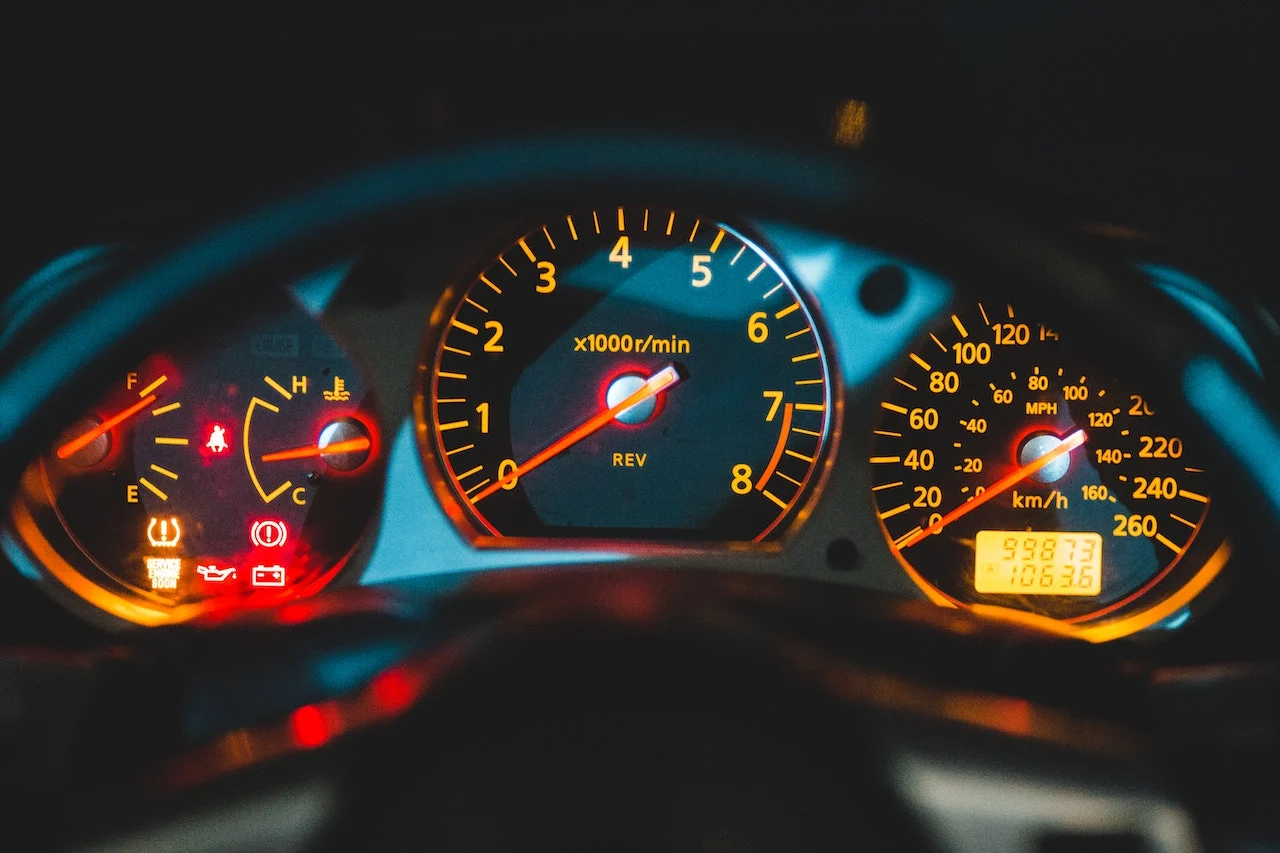
TPMS stands for Tire Pressure Monitoring System. It is an electronic safety system built into your vehicle that monitors the air pressure inside all four tires in real time.
The system alerts you through a dashboard warning light when one or more tires drop to an unsafe pressure level. Since 2008, all new passenger vehicles sold in the United States are required by federal law to include a TPMS.
Driving on underinflated tires is genuinely dangerous. Studies show that as little as 6 PSI below the recommended level can increase the risk of a blowout. The TPMS was specifically mandated after a series of fatal accidents linked to low tire pressure in Ford Explorer SUVs.
Blinking vs. Solid Tire Pressure Light — Key Difference
Understanding the difference between a blinking and a solid TPMS light is critical. These two light behaviors mean completely different things.
| Light Behavior | What It Means | What To Do |
|---|---|---|
| Solid (stays on) | One or more tires has low air pressure | Check and inflate all four tires to recommended PSI |
| Blinks for 60–90 seconds then stays solid | TPMS system fault detected | Inflate tires first, then schedule a TPMS diagnostic |
| Blinks on and off randomly while driving | Borderline pressure or weak sensor battery | Top off tires, monitor, have sensors tested |
| Blinks 3 times during reset | Reset process working correctly | Release button and wait 20 minutes |
A solid light is your car saying “one of your tires needs air.” A blinking light is your car saying “the monitoring system itself has a problem.”
Why Is My Tire Pressure Light Blinking? Top 8 Causes
Here is a complete breakdown of the most common reasons your tire pressure light is blinking in 2026.
1. Dead or Weak TPMS Sensor Battery
This is the single most common cause of a blinking tire pressure light. Each TPMS sensor has a non-replaceable internal battery with a lifespan of 5 to 10 years.
When the battery gets weak, the sensor cannot reliably communicate tire pressure data to the vehicle’s computer. The system detects this communication failure and signals it by blinking the light.
Once a sensor battery dies completely, the entire sensor unit must be replaced. You cannot simply swap out the battery — the sensor and battery come as one sealed unit.
2. Damaged or Missing TPMS Sensor
A sensor can be physically damaged by road debris, pothole impacts, or improper tire installation. A cracked or broken sensor cannot transmit accurate data.
In some cases, sensors are accidentally removed or damaged during tire rotations or replacements at a service shop. This is especially common if the technician is not familiar with TPMS-equipped wheels.
If a sensor is missing entirely, the system will immediately flag it through a blinking warning light. Always verify that TPMS sensors are intact after any tire service.
3. Low Tire Pressure Due to Cold Weather
Cold weather is one of the biggest culprits behind a blinking or triggered TPMS light. Tire pressure drops approximately 1 to 2 PSI for every 10°F decrease in temperature.
This is basic physics — cold air condenses and takes up less space inside the tire. If your tires were properly inflated in warm weather and temperatures drop sharply overnight, you may wake up to a blinking light.
In winter, a 30°F overnight temperature drop can reduce tire pressure by 3 to 4 PSI — enough to fall below the TPMS threshold. This is why many drivers see the light in the morning but it disappears after a short drive as tires warm up.
4. Slow Leak or Puncture
A nail, screw, or piece of road debris embedded in the tread can cause a gradual pressure loss. The tire may not look flat at all, but a slow leak can drop pressure by several PSI over hours or days.
As the pressure slowly drops below the vehicle’s trigger threshold, the TPMS light may begin blinking intermittently before staying on. Inspect each tire closely for embedded objects or sidewall damage.
A slow leak is one of the more dangerous causes because the tire does not look or feel flat from the outside, making it easy to dismiss.
5. TPMS Module or Computer Error
The TPMS control module is the computer that processes signals from all the wheel sensors. If this module malfunctions, it can cause a blinking light even when tire pressure and sensors are perfectly fine.
Common diagnostic trouble codes (DTCs) associated with module errors include B1247 (TPMS system failure) and C0750–C0799 (sensor communication errors). These require an OBD2 scanner to diagnose.
A TPMS module fault typically requires professional diagnosis and replacement. This is not a DIY-friendly fix in most vehicles.
6. Incorrect or Incompatible TPMS Sensor
If you recently had new tires or sensors installed, the replacement sensor may not be compatible with your specific vehicle. Each car uses a specific sensor frequency and protocol.
An incorrectly programmed or wrong-brand sensor will not communicate properly with your vehicle’s TPMS module. The system will detect the mismatch and trigger a blinking warning light.
Always ensure that any replacement TPMS sensor is specifically programmed for your vehicle’s make, model, and year. Generic or universal sensors must be properly programmed before installation.
7. Tire Rotation Without TPMS Recalibration
After a tire rotation, the sensor positions change — the sensors move with the wheels. Some vehicles automatically relearn the new sensor positions after a short drive, but many require a manual recalibration or reset.
If the TPMS system is not recalibrated after a rotation, it may show incorrect pressure readings or trigger a fault code. This is one of the most overlooked causes of TPMS issues.
Always ask your service technician to perform a TPMS reset or relearn procedure after every tire rotation. Skipping this step is a very common mistake.
8. Hot Weather and Overinflation
While cold weather typically causes underinflation, extreme heat can cause the opposite problem. On a very hot day, tire pressure can rise above the TPMS upper threshold, also triggering a warning.
Overinflated tires are just as dangerous as underinflated ones. They reduce the contact patch with the road, make handling unpredictable, and increase the risk of a blowout on hot pavement.
If your tire pressure light comes on during a heatwave or after long highway driving on a hot day, check for overinflation and release air as needed.
Temperature vs. Tire Pressure — Reference Table
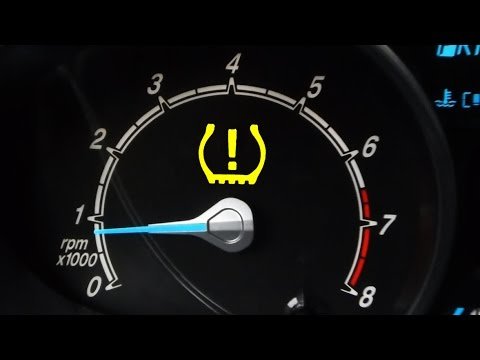
Use this table to understand how temperature affects your tire pressure and when to expect TPMS alerts.
| Temperature Drop (°F) | Estimated PSI Loss | Risk of TPMS Trigger |
|---|---|---|
| 10°F drop | 1–2 PSI | Low (for properly inflated tires) |
| 20°F drop | 2–4 PSI | Moderate |
| 30°F drop | 3–5 PSI | High — light likely to turn on |
| 40°F drop | 4–6 PSI | Very High — definite trigger |
| 50°F+ drop | 5–8 PSI | Certain — inflate immediately |
Note: Always check tire pressure when tires are cold (car parked for 3+ hours) for the most accurate reading.
What Does It Mean When the Tire Pressure Light Blinks for 60–90 Seconds?
This specific pattern — blinking for 60 to 90 seconds at startup and then staying solid — is the classic TPMS fault signal. It means the system detected a sensor communication problem during startup.
It does not mean your tires are flat. Means the system cannot properly monitor one or more sensors. The underlying cause is usually a dead sensor battery, a missing sensor, or a module error.
Do not ignore this pattern. Drive to a tire shop or dealership to have the TPMS diagnosed with a proper scanner tool. Driving without a functioning TPMS means you lose your real-time pressure monitoring safety net.
How to Fix a Blinking Tire Pressure Light — Step by Step
Follow these steps in order before going to a mechanic. Many cases of a blinking TPMS light can be resolved at home.
Step 1 — Check and Inflate All Four Tires
Start with the basics. Find the recommended PSI for your vehicle on the sticker inside the driver’s door jamb — not the number on the tire sidewall, which is the maximum, not the recommended pressure.
Use a quality tire pressure gauge. Check all four tires when cold (before driving or at least 3 hours after parking). Inflate any underinflated tires to the correct PSI.
Do not forget the spare tire. Many vehicles have a TPMS sensor in the spare, and an underinflated spare can trigger the blinking light just as easily as any of the four main tires.
Step 2 — Drive at 50 MPH for 10 Minutes
After inflating the tires, drive at highway speed (50 mph or above) for at least 10 minutes. This allows the TPMS sensors to communicate with the module and update the pressure readings.
Many vehicles will automatically reset the TPMS after this drive cycle and the light will turn off on its own. If the light goes off after driving, the issue was simply low pressure.
If the light continues to blink after the drive, proceed to the next step. The problem is likely sensor-related rather than pressure-related.
Step 3 — Use the TPMS Reset Button
Most vehicles have a physical TPMS reset button, typically located under the steering wheel, inside the glove compartment, or behind a panel near the dashboard. Check your owner’s manual for the exact location.
Turn the ignition to the “on” position without starting the engine. Press and hold the TPMS reset button until the dashboard light blinks three times, then release. This initiates the relearn sequence.
Start the engine and drive for 20 minutes to allow the system to fully recalibrate and read all four sensor positions. The light should turn off if the reset was successful.
Step 4 — Try the Inflate, Deflate, and Reinflate Method
If the standard reset does not work, try this more thorough approach. Inflate all tires to 3 PSI above the recommended level, then fully deflate all four tires (including the spare if equipped with a sensor).
Once all tires are completely deflated, reinflate each one to the exact recommended PSI. Then drive the vehicle to allow the TPMS to relearn all sensor positions and pressure levels.
This method forces a complete system refresh. It works particularly well for systems that require a pressure differential to trigger the relearn process.
Step 5 — Disconnect and Reconnect the Battery
As a last resort before visiting a mechanic, try resetting the vehicle’s computer entirely. Turn off the ignition, then disconnect the positive battery terminal with a wrench.
Hold the horn for 3 seconds to drain residual electricity from the system. Then reconnect the positive battery cable and start the vehicle. This forces a full system reset.
Note: Disconnecting the battery will reset other vehicle settings too — including the radio presets and clock. Only use this method if all other steps have failed.
Step 6 — Get a Professional TPMS Diagnostic
If the blinking tire pressure light persists after all the above steps, it is time to visit a professional. A mechanic with a TPMS diagnostic tool or OBD2 scanner can read the specific fault codes.
Common codes they will look for include C2121–C2124 (sensor ID mismatch), C0750–C0799 (sensor communication errors), and B1247 (TPMS system failure). Each code points to a specific fix.
Sensor replacement typically costs between $50 and $250 per sensor depending on the vehicle and sensor type. A TPMS module replacement costs more — usually $200 to $500 including labor.
TPMS Sensor Replacement Cost Table
| Repair Type | DIY Cost | Professional Cost |
|---|---|---|
| TPMS Sensor (per sensor) | $30–$80 (parts only) | $75–$250 (parts + labor) |
| TPMS Module Replacement | Not recommended DIY | $200–$500 |
| TPMS Reset/Relearn | Free (manual reset) | $25–$75 |
| Tire with Slow Leak (plug/patch) | $0–$15 DIY | $20–$40 professional |
| Full TPMS Diagnostic | Free (OBD2 scanner) | $50–$100 |
Prices vary by vehicle make, model, and region. Always get a quote before authorizing repairs.
Can You Drive With the Tire Pressure Light Blinking?
This is one of the most common follow-up questions after noticing a blinking TPMS light. The short answer is yes for short distances, but it is not recommended for extended driving.
When the light is blinking, the TPMS is not reliably monitoring your tire pressure. You lose the real-time pressure safety net. You could have a slow leak or pressure drop without any dashboard warning.
If your tires are visually fine and hold proper pressure, you can drive cautiously to the nearest tire shop. But do not continue long trips or highway driving without getting the issue diagnosed. The risk of an undetected blowout increases significantly.
Direct TPMS vs. Indirect TPMS — What You Have
There are two types of TPMS systems, and understanding which one your vehicle has changes how you troubleshoot it.
| Feature | Direct TPMS | Indirect TPMS |
|---|---|---|
| How it works | Individual pressure sensors in each wheel | Uses wheel speed sensors to calculate pressure |
| Accuracy | Very accurate — measures actual PSI | Less accurate — infers pressure from rotation speed |
| Required since | 2008 (all new US vehicles) | Used before 2008 on some models |
| Battery life of sensors | 5–10 years | No dedicated sensors to replace |
| Common failure | Dead sensor battery or damaged sensor | Wheel speed sensor failure or recalibration needed |
Most vehicles on the road today use direct TPMS. If your vehicle was made in 2008 or later and sold in the US, it almost certainly has direct TPMS.
Recommended Tire Pressure by Vehicle Type
Most drivers do not know their recommended PSI. Here is a general reference — always confirm with your door jamb sticker or owner’s manual.
| Vehicle Type | Typical Recommended PSI (Front/Rear) |
|---|---|
| Compact Car (sedan/hatchback) | 30–35 PSI |
| Mid-size Sedan | 32–36 PSI |
| Full-size Sedan / Luxury Car | 33–36 PSI |
| SUV (crossover) | 33–36 PSI |
| Full-size SUV / Truck | 35–45 PSI |
| Sports Car | 30–35 PSI |
| Minivan | 35–36 PSI |
| Electric Vehicle (EV) | 40–50 PSI (typically higher due to weight) |
These are general ranges. The exact number for your car is always on the door jamb sticker and in your owner’s manual.
How to Prevent the Tire Pressure Light From Blinking
Prevention is far better than dealing with a blinking TPMS light on a cold morning. Follow these best practices to keep your TPMS functioning reliably year-round.
Check your tire pressure manually once a month using a quality gauge. Do not rely solely on the TPMS to catch pressure drops — tires naturally lose 1 PSI per month through normal seepage.
Always check pressure when tires are cold. Pressure readings taken after driving are higher than actual cold pressure due to heat expansion. Morning checks before your first drive give the most accurate reading.
After any tire rotation, ask your shop to perform a TPMS relearn procedure. This takes only a few minutes but prevents unnecessary fault codes and blinking lights.
If your vehicle is more than 7 years old, consider proactively replacing aging TPMS sensors. A sensor that is nearing the end of its 5–10 year battery life can cause intermittent blinking before fully failing.
Consider nitrogen inflation for more stable tire pressure. Nitrogen expands and contracts less than regular air during temperature swings, reducing the frequency of cold-weather TPMS alerts.
Common TPMS OBD2 Fault Codes Reference Table
If you have an OBD2 scanner, here are the most common TPMS-related codes and what they mean.
| OBD2 Code | Meaning | Common Fix |
|---|---|---|
| C0750–C0799 | TPMS sensor communication error | Replace or reprogram sensor |
| C2121–C2124 | Sensor ID mismatch or missing sensor | Replace and reprogram sensor |
| B1247 | TPMS system failure / control module issue | Replace TPMS module |
| C0035–C0040 | Wheel speed sensor fault (indirect TPMS) | Replace wheel speed sensor |
| U0121 | Lost communication with TPMS module | Check wiring, replace module |
A code reader that supports TPMS diagnostics is essential for accurately pinpointing the fault in modern vehicles.
When to Replace Your TPMS Sensors
Not every blinking light requires immediate sensor replacement. But there are clear signs that replacement is necessary.
Replace your sensors when the vehicle is more than 8–10 years old and the light keeps blinking despite proper inflation. At this age, sensor batteries are typically at or past the end of their lifespan.
Also replace sensors if a diagnostic scan confirms a dead battery or failed sensor transmission. If one sensor fails, the others are usually close behind — many shops recommend replacing all four at the same time for this reason.
When replacing tires on an older vehicle, factor in sensor replacement cost. Having the tires removed already makes it the perfect time to swap out aging sensors with minimal extra labor cost.
The History of TPMS — Why Your Car Has It
The TPMS requirement did not come from thin air. It was directly triggered by one of the deadliest automotive safety crises in US history.
In the late 1990s and early 2000s, numerous fatal rollover accidents involving Ford Explorer SUVs were linked to underinflated Firestone tires. The tires were failing at highway speeds, causing the SUVs to roll over. Over 250 deaths were attributed to the crisis.
As a result, the US Congress passed the TREAD Act (Transportation Recall Enhancement, Accountability, and Documentation Act) in 2000. This law required TPMS systems on all new light vehicles sold in the US. The requirement phased in starting in 2005 and became mandatory for all new vehicles in 2008.
Today, the NHTSA estimates that nearly 250,000 accidents per year in the US are related to low tire pressure. TPMS has undoubtedly saved thousands of lives since its introduction.
TPMS Light Blinking After New Tires — What to Do
One of the most confusing situations is when the TPMS light starts blinking after a tire replacement or rotation. Many drivers assume something went wrong with the installation.
In most cases, it simply means the TPMS system needs to be relearned or recalibrated for the new tire/sensor positions. This is a routine step that many shops forget to perform.
If new sensors were installed, they must be programmed specifically to your vehicle using a TPMS programming tool. A generic sensor installed without programming will cause a blinking fault light immediately.
Go back to the shop that did the work and ask them to perform the TPMS relearn procedure. This is their responsibility and should not cost you extra.
TPMS Light Blinking on Spare Tire
Many drivers discover that switching to a spare tire triggers the TPMS light. This happens for two common reasons.
First, many compact spare tires (the small “donut” spares) do not have a TPMS sensor at all. When the vehicle’s system cannot detect a sensor signal from that wheel position, it triggers a blinking fault light.
Second, even full-size spare tires sometimes have sensors that have not been programmed into the vehicle’s TPMS system. An unprogrammed sensor is essentially invisible to the system.
The blinking in this case is expected and normal. It will go away once you replace the spare with a regular tire equipped with a functioning, programmed sensor.
Nitrogen vs. Air in Tires — Does It Help With TPMS Issues?
There is ongoing debate about whether nitrogen inflation is worth the extra cost. Here is a balanced look at what the evidence shows.
Nitrogen molecules are larger than oxygen molecules, meaning they seep through rubber more slowly. This results in more stable tire pressure over time, with less month-to-month pressure loss.
Nitrogen also responds less dramatically to temperature changes compared to regular air. This means fewer false TPMS alerts during seasonal temperature swings, particularly in climates with extreme temperature differences.
The downside is that nitrogen inflation is not available at every gas station. If you travel and need a top-up, you may have to add regular air anyway, which mixes the gases and reduces the benefit.
For most everyday drivers, regular air checked monthly is perfectly adequate. Nitrogen provides a measurable benefit for those in extreme climates or who prefer a maintenance-free approach.
How Long Does It Take for TPMS Light to Turn Off After Inflating?
After properly inflating your tires, the TPMS light should turn off on its own. The timing depends on your vehicle and driving behavior.
For most vehicles, the light turns off automatically after driving at speeds above 20–25 mph for a few minutes. The system needs the vehicle in motion to poll the sensor signals and confirm the new pressure readings.
For vehicles requiring a highway reset, driving at 50 mph or above for 10 minutes is the standard recommendation. After the drive, turn the engine off, restart it, and the light should be gone.
If the light is still on after 20+ minutes of driving with properly inflated tires, the issue is sensor-related — not pressure-related. At this point, a manual reset or professional diagnosis is needed.
Frequently Asked Questions (FAQs)
Why is my tire pressure light blinking when my tires are fine?
A blinking TPMS light with correct tire pressure almost always means a sensor fault, dead sensor battery, or a TPMS module error. The system itself needs to be diagnosed with a scanner tool.
What does it mean when the tire pressure light blinks 3 times?
Three blinks during a reset procedure means the TPMS reset process has been initiated correctly. Release the button, wait 20 minutes, and the system should recalibrate and turn the light off.
How do I reset the TPMS light myself?
Turn the ignition to “on” without starting the engine, press and hold the TPMS reset button until the light blinks three times, then release. Drive for 20 minutes to complete the recalibration.
Can cold weather cause the tire pressure light to blink?
Yes. Tire pressure drops about 1 to 2 PSI for every 10°F temperature decrease. A significant overnight temperature drop can push pressure below the TPMS threshold, triggering a blinking or solid warning light.
How much does it cost to fix a blinking TPMS light?
A simple reset is free. Sensor replacement costs $75 to $250 per sensor including labor. A TPMS module replacement runs $200 to $500. Always get a diagnostic scan first to know exactly what needs fixing.
Is it safe to drive with the tire pressure light blinking?
You can drive short distances to reach a tire shop, but extended driving is not recommended. A blinking light means the TPMS is not reliably monitoring pressure — you lose your early warning system for a potential blowout.
Why does my tire pressure light blink when I start the car?
A TPMS light that blinks for 60 to 90 seconds at startup and then stays solid is the classic signal for a TPMS system fault — typically a dead sensor battery or a failed sensor that is not communicating with the module.
How long do TPMS sensors last?
TPMS sensors last 5 to 10 years on average, depending on driving conditions and climate. The sealed internal battery is the limiting factor — once it dies, the entire sensor unit must be replaced.
Why did my TPMS light start blinking after a tire rotation?
A tire rotation changes the wheel position of each sensor. If your shop did not perform a TPMS relearn procedure after the rotation, the system may flag a fault. Return to the shop and request the relearn to be done.
Can I replace TPMS sensors myself?
Replacing a TPMS sensor requires removing the tire from the wheel, which requires special equipment. The new sensor also needs to be programmed for your specific vehicle. This job is best left to a professional tire shop.
Conclusion
Why is my tire pressure light blinking is a question that has several specific and identifiable answers — from a dead sensor battery and cold weather pressure drops to a TPMS module fault or recent tire service that skipped the relearn step.
The key takeaway is that a blinking light is not a simple low-pressure warning. It is a system-level alert that requires a different response than just adding air.
Start by checking and inflating all four tires, then try a manual reset before heading to a professional.
Understanding what your TPMS is telling you in 2026 keeps you safer on the road, extends your tire life, and saves you money by catching problems before they become dangerous blowouts. Never ignore a blinking tire pressure light — address it promptly and drive with confidence.


