


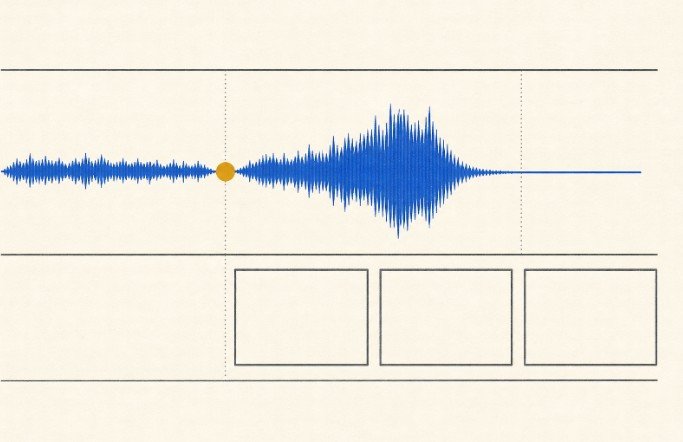
A memorable music sequence rarely begins with a perfect track. It begins with a change the audience can hear: a rhythm enters, a room falls quiet, a lyric becomes newly uncomfortable, or a repeated sound finally stops. If the script records only “music plays,” the editor inherits a mood request instead of a dramatic plan.
An AI Script Writer can help develop that plan when the request is tied to a scene goal rather than a playlist. Laper keeps beats, scenes, locations, characters, and the screenplay close enough for a writer to test what the sound changes without pretending to be a digital audio workstation or a music-licensing service.
Name The Dramatic Job Before Choosing Any Track
Start by removing the song title from the page. Write one sentence describing the cue’s job. It might expose that a character is performing confidence, signal that two locations share the same unseen event, or turn a private memory into a public embarrassment. A composer, music supervisor, and editor can all respond to that job even if the temp track disappears.
Separate Audience Information From Character Hearing
Decide whether the sound exists inside the scene. A radio in a garage can be heard by the characters; a score laid under the scene cannot. That difference controls behavior. If a character lowers the radio to speak, the action belongs on the page. If the score grows tense while nobody reacts, the screenplay should not make the actors perform knowledge they do not have.
A quick sound brief can use four fields: source, listener, dramatic change, and exit. “Tinny shop radio; heard by both mechanics; the familiar chorus makes Ana realize the date; cuts when the engine catches” is more usable than “sad vintage song.” It describes a filmable event without selecting a copyrighted recording.
Put The Cue On The Beat It Changes
Laper treats beats as editable dramatic structure beside the script rather than as infallible automatic extraction. A writer can note the sound idea beside the turn it is meant to change, then ask whether the cue causes that turn, comments on it, or merely decorates it. The screenplay still has to show the audible action the audience will experience.
For a song-led montage, give every change a reason. The first verse may establish repetition, the chorus may reveal a contrast between two places, and the final cut may remove the music at the moment the routine breaks. The track provides duration and energy later. The beat plan supplies meaning now.
Follow A Three-Pass Sound Writing Workflow
The cleanest workflow moves from story to sound to picture. Reversing that order often produces expensive coverage built around a temp track that cannot be licensed or no longer fits the final cut.
Pass One Writes Only Cause And Effect
Open the target scene and write what changes before any musical language appears. A cook finishes the same closing task for the fifth time. On the sixth repetition, she leaves one light on. The action already has a pattern and a break. The sequence can survive if the music choice changes.
Use the Outline and Beats views to check whether that break advances the larger promise. If it repeats information already carried by the previous scene, cut or reposition it before designing shots. Laper’s scene structure comes from real scene-heading nodes, so location and sequence order remain connected to the page while the writer revises.
Reject Action That Only Illustrates The Tempo
A character tapping, walking, and closing doors on every beat may make a neat animatic, but it gives the scene no independent dramatic life. Keep the actions that alter a relationship, reveal a fact, or change the next decision. Leave decorative synchronization for later coverage tests.
Pass Two Adds Audible Events And Silence
Now mark what the audience hears and when its meaning changes. Include practical sounds that compete with the cue: a grinder, traffic, applause behind a wall, or a phone vibration. Silence should also have an address. “The music stops” is weak unless the page shows who notices and what becomes audible in the gap.
Teams using an AI Movie Script Writer can request alternatives within the selected scene while locking the underlying actions. One prompt might ask for three ways the sound can end without changing the location, character knowledge, or scene exit. The alternatives then solve a bounded sound problem instead of rewriting the sequence.
Pass Three Converts Beats Into Shot Questions
Only after the sound logic works should the team ask what must be seen. Laper storyboards remain inside scene scope and keep shots in stable order. Shot size, angle, movement, and lens are explicit choices, not details the system should invent as proof of directorial intent.
For the cook’s sequence, the important image may not be a fast montage. A locked wide shot could make each repetition comparable, while one close shot on the unextinguished light marks the break. The right coverage is the coverage that lets the audible change land
Check The Cue With A Silent Read
Before sourcing music, give the pages to someone who cannot hear the temp track. Ask them to mark the setup, the turn, and the moment the sequence ends. If they cannot find those points, the writing is leaning on a recording the reader does not possess.
Use Four Failure Signals During Review
| Failure signal | What it usually means | Repair on the page |
| The cue could start anywhere | No dramatic trigger | Attach entry to an action or discovery |
| Removing the track erases the scene | Picture has no story progression | Restore cause, choice, and consequence |
| Characters react to score | Diegetic status is unclear | Name the physical source or remove the reaction |
| Every cut follows tempo | Rhythm replaced shot intention | Keep only cuts that reveal new information |
Run the same check after a track changes. The energy may shift, but the dramatic entry, turn, and exit should remain legible. If a new song forces different story facts, revise the screenplay openly rather than hiding the decision in the edit.
The Script And Sound Design Require A Clear Trade-Off
Laper can organize the scene, beat, revision, and storyboard context around a musical sequence. It does not clear rights, edit stems, mix dialogue, or replace a composer and sound team. The script should specify audible story facts and essential timing while leaving performance, arrangement, recording, and final mix choices to the people responsible for them.
A Sound Cue Should Survive A New Song
The workspace suits writers who want to test a music-driven scene before production decisions harden. It is less relevant to a team that already has locked pages and only needs audio post-production tools.
The final test is brutally useful: replace the temp track and read the pages again. When the audience can still follow the pattern, the turn, and the silence afterward, the screenplay has done its job. The eventual song can deepen the scene without being forced to invent it.