


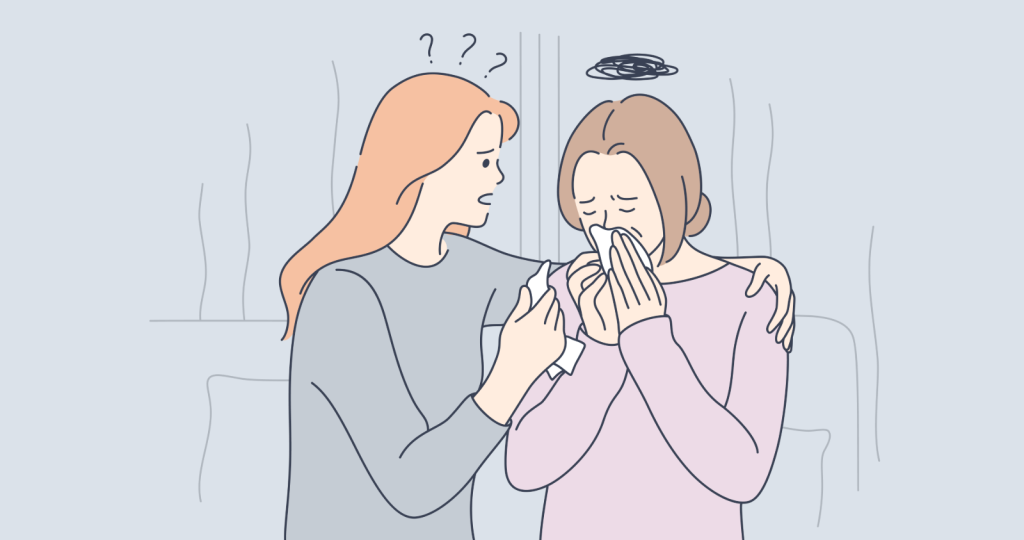
You’ve done everything “right.”
Your life looks stable from the outside. You show up. You handle things. You keep things moving.
But underneath it, something doesn’t settle.
You catch yourself overthinking things most people would forget.
You replay small moments long after they’ve passed.
You’re harder on yourself than anyone else ever could be.
You know you’re capable — but it doesn’t quite land.
And sometimes, the only time things feel even slightly easier is late at night…
when everything goes quiet and there’s nothing expected of you.
The Anxiety That Doesn’t Add Up
We’re often told anxiety comes from what’s happening right now:
- Stress at work
- Relationship problems
- Financial pressure
But what if none of those fully explain it?
What if your mind keeps searching for problems… even when things are relatively calm?
What if the tension is just there — without a clear reason?
This is where most advice starts to fall short.
“Just relax.”
“Stop overthinking.”
“Focus on the present.”
It sounds simple. But it doesn’t reach the part of you that won’t switch off.
When Your System Stays Switched On
Here’s the part that often gets missed:
Anxiety isn’t only about what’s happening now — it’s shaped by what your system has learned over time.
If you’ve spent long periods feeling:
- like you had to rely on yourself
- unsure how people would respond
- like getting things wrong had consequences
…your brain adapts.
It becomes more alert.
More self-monitoring.
More focused on avoiding mistakes.
That’s why you might notice patterns like:
- automatically putting others first
- getting stuck on small errors
- struggling to fully relax, even in safe situations
- feeling slightly separate, even around people
These aren’t random. They’re learned responses.
Where These Patterns Come From
For a lot of people, this traces back further than expected.
Not always something obvious.
Not always something you would have labelled as a problem at the time.
Sometimes it’s quieter.
Spending long stretches of time alone.
Not feeling fully understood.
Learning to cope by staying in your head or focusing on achievement.
At the time, it just feels normal.
But those experiences shape how you respond later on.
So as an adult, you might notice a sense of distance — like you’re present, but not fully connected. Or like everything rests on you, even when it doesn’t need to.
Why “Managing It” Only Goes So Far
A lot of anxiety advice focuses on control — breathing techniques, distraction, positive thinking.
These can help take the edge off.
But they don’t always change the underlying pattern.
That’s why it can feel like:
“I understand what I’m supposed to do… but it doesn’t stick.”
Because this isn’t just about thoughts.
It’s something your system has practised repeatedly.
What Actually Starts to Shift Things
When anxiety is shaped by past experience, the goal changes.
It’s not just about reducing symptoms.
It’s about helping your system recognise that it doesn’t need to stay in that same state.
That can involve:
- understanding where these patterns developed
- making sense of your reactions
- gradually feeling safer in situations that once felt uncertain
Change tends to come from clarity — not force.
A Different Way to Look At It
Instead of asking, “What’s wrong with me?”
A more useful question is:
“What did I learn that I’m still responding to?”
Because once you see the pattern, it becomes easier to work with it — rather than fight it.
Want to Understand This More Deeply?
If this feels familiar, it can be useful to look at what’s driving these patterns beneath the surface.
This breakdown of why anxiety doesn’t go away on its own explains why this happens — and what actually helps
Final Thought
There’s a reason this feels the way it does.
And once you understand the pattern behind it, things begin to shift in a more sustainable way.