


It usually starts with one bug on the wall, then another near a window, then a few more in a light fixture or crawling across the ceiling. You clean one up and think that should be the end of it, but by the next cool evening, they are back. If you live in New Jersey, that pattern is familiar, and it gets old fast. If you want to get rid of bugs today in NJ, acting quickly can help stop the cycle.
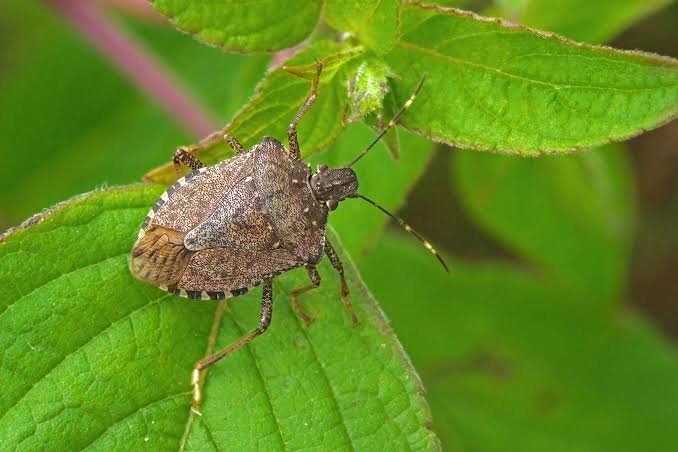
The short version is simple. Stink bugs are not trying to live in your house because it is dirty. They are trying to survive the cold. Fall pushes them out of fields, trees, and garden spaces, and your home gives them warmth, shelter, and tiny entry points they can use without much effort. The species causing most of this trouble is the brown marmorated stink bug, an invasive pest that has become common across the state.
Fall weather drives stink bugs indoors
The reason stink bugs invade homes in the fall comes down to temperature and timing. As days get shorter and nights turn cool, these insects start looking for protected places to overwinter. In nature, that might be under bark or inside dead trees. In neighborhoods, houses work even better.
Sunlit walls, attic spaces, gaps around siding, loose screens, vents, soffits, and spaces around utility lines all give them a path inside. They tend to gather on the warmest side of a building first, which is why you may notice them around upper windows or near the roofline before they show up indoors.
New Jersey sees this every year because the brown marmorated stink bug is well established here. Rutgers has detailed information on invasive pests in New Jersey, including this species and the way it spreads through both agricultural and residential areas.
Brown marmorated stink bugs are more of a nuisance than a danger
Most people are less worried about the name than the reality of finding bugs in the house every day. That reaction makes sense. Even though stink bugs do not bite, sting, or cause structural damage like termites, they create a different kind of stress. They show up in bedrooms, kitchens, blinds, curtains, and light fixtures. They can fly suddenly. They leave an odor if crushed. None of that feels minor when you are dealing with it in your own home.
This is where the problem gets frustrating. You might seal one crack and still find more inside. That does not always mean the treatment failed. It can mean they already got into wall voids or attic spaces before the weather changed. Once indoor heat wakes them up, they start moving toward light and living spaces. That is why a home can seem quiet for days, then suddenly have several stink bugs appear at once.
Rutgers also offers specific guidance on the brown marmorated stink bug, including its life cycle and seasonal behavior. Knowing that pattern helps explain why the issue spikes in fall and can linger into winter.
Why DIY stink bug control often feels incomplete
You can vacuum visible bugs, and that does help reduce the number you see. You can also replace torn screens and seal obvious gaps. The trouble is that stink bugs do not need much space to get in, and many entry points are easy to miss. Roof returns, fascia gaps, dryer vents, chimney flashing, and openings around pipes often matter more than the front door or lower windows people check first.
If you crush them, the odor can spread. If you spray random indoor products, you may kill a few and still leave the larger entry problem untouched. If they are already inside wall voids, surface treatment alone may not stop the next wave. That is why fall stink bug home invasion issues often keep repeating until the structure itself is inspected carefully.
DIY cleanup and professional pest control solve different parts of the problem
| APPROACH | WHAT IT HELPS WITH | LIMITS |
| Vacuuming visible stink bugs | Removes active bugs quickly without crushing them | Does not stop new bugs from entering |
| Sealing doors, windows, and screens | Reduces common entry points | Hidden gaps around rooflines and utilities may remain |
| Indoor spray from store shelves | May kill bugs you can reach | Often misses bugs in voids and does not address exterior access |
| Exterior inspection and treatment | Targets where stink bugs gather before they enter | Works best when timed before or during early fall movement |
| Professional pest control | Combines exclusion advice, targeted treatment, and seasonal timing | Still may require follow-up if bugs entered before service |
Small prevention steps make a real difference
Seal the easy access points. Check window frames, door sweeps, screens, attic vents, and utility openings. Caulk gaps. Repair tears. Add weather stripping where light shows through. These fixes help with more than stink bugs. They also reduce drafts and block other fall pests.
Remove bugs without crushing them. Use a vacuum or a tissue and dispose of them outside or into a sealed bag. Crushing stink bugs can release the smell people remember most. If you are already seeing several a day, assume there may be more in wall spaces or attic areas.
Schedule seasonal pest control before numbers build. Timing matters with a stink bug infestation in the house. The best results usually come from treating and inspecting before large numbers settle in. If they are already inside, targeted service can still reduce activity and help you find where they are getting in.
Stink bugs in fall are common, but they do not have to take over your home
You are not overreacting if this has become a yearly headache. Stink bugs are persistent, and New Jersey homes give them exactly what they want when temperatures drop. The good news is that the pattern is predictable, which means it can be managed with the right mix of exclusion, cleanup, and pest control.
If stink bugs keep showing up in your home every fall, now is the time to act. Professional Pest Control can help reduce current activity and make it harder for the next wave to get inside.