

Why should college athletes be paid is one of the most debated questions in American sports today.
College sports generate billions of dollars every year, yet for decades the athletes at the center of the action received no direct salary. In 2026, with revenue sharing and NIL deals now active, the conversation has shifted from “if” to “how much.”
Quick Answer: Should College Athletes Be Paid?


Yes, most sports economists and legal experts now agree college athletes should be paid. They generate massive revenue for schools, networks, and the NCAA.
As of 2026, athletes are legally allowed to earn money through revenue sharing and NIL deals. The debate now centers on fairness, not legality.
What Is the NCAA and Why Wasn’t Pay Allowed?
The National Collegiate Athletic Association has governed college sports since 1906. It enforced strict amateurism rules that banned direct payment to athletes.
The NCAA argued amateurism protected the educational mission of college sports. Critics said it was a convenient way to avoid sharing billions in revenue.
For over a century, athletes received scholarships instead of wages. Meanwhile coaches, administrators, and the NCAA itself earned enormous salaries and profits.
The Turning Point: NCAA v. Alston
On June 21, 2021, the U.S. Supreme Court ruled unanimously against the NCAA in NCAA v. Alston. The decision blocked strict limits on education-related compensation.
Justice Neil Gorsuch wrote that the NCAA could not build a massive money-making enterprise on athletes who weren’t fairly compensated. This ruling opened the door to NIL deals nationwide.
NIL Deals Explained
Name, Image, and Likeness (NIL) rules let athletes earn money from endorsements, sponsorships, and social media. These deals are separate from official school salaries.
University-linked “collectives” often organize these NIL deals with local businesses and donors. Popular athletes in football and basketball earn the most.
Revenue Sharing in 2026
Following the 2024 NCAA settlement with major conferences, schools can now share revenue directly with athletes. This marks the biggest shift in college sports history.
Schools in the Power Five conferences began direct payments to athletes starting in 2025. This is separate from scholarships and NIL income entirely.
Timeline of Major College Athlete Pay Milestones
| Year | Event |
|---|---|
| 1906 | NCAA founded, amateurism rules established |
| 1984 | NCAA v. Board of Regents limits NCAA control over broadcasting |
| 2019 | California passes Fair Pay to Play Act |
| 2021 | NIL policy adopted nationwide after NCAA v. Alston ruling |
| 2024 | NCAA settles antitrust lawsuits, allows revenue sharing |
| 2025-2026 | Schools begin direct revenue-sharing payments to athletes |
Why Should College Athletes Be Paid? (The Pros)
1. They Generate Billions in Revenue
NCAA Division I athletics programs reported total revenues nearing $19 billion in 2023. That figure grew from $17.5 billion in 2022.
Football and basketball alone fund most other college sports. Athletes are the labor force producing this massive commercial product.
2. Playing Sports Is Essentially a Full-Time Job
Student-athletes wake up early for practice, attend classes, train again, then study late at night. Their schedules often exceed 40 hours a week.
This workload leaves little room for a part-time job. Paying them acknowledges the labor they already put in.
3. It Reduces Financial Stress
Many athletes come from low-income backgrounds and support their families. Scholarships cover tuition but rarely cover daily living expenses.
Extra income would let them focus on academics and athletics instead of worrying about rent, food, or emergencies.
4. Injury Risk Deserves Compensation
Contact sports like football carry serious injury risks, including career-ending or permanently disabling injuries. Unlike professionals, injured athletes get no guaranteed compensation.
In a normal labor market, workers who take on physical risk are compensated for it. College athletes deserve the same treatment.
5. Coaches and Executives Already Profit Heavily
Many head coaches earn multi-million dollar salaries funded by revenue athletes generate. Some earn more than professional coaches in the same sport.
Paying players directly would correct this imbalance instead of funneling money toward facilities and coaching contracts alone.
6. NIL Rights Are a Basic Fairness Issue
Other talented students, like musicians or artists, can freely profit from their skills. Athletes previously could not do the same with their own name and image.
Allowing NIL deals treats athletes like any other student with marketable talent, which is a fairer standard overall.
7. It Could Reduce Corruption
Under-the-table payments and recruiting violations have plagued college sports for decades. Legitimate compensation removes the incentive for secret payments.
A transparent pay structure is easier to monitor and regulate than a black market of illegal benefits.
8. Pay Can Improve Mental Health
Studies show a majority of college athletes report emotional or mental health struggles linked to their sport. Financial stress often makes this worse.
Fair compensation could ease one major source of pressure, allowing athletes to seek help without added financial burden.
9. Sports Careers Are Short
Most college athletes never turn professional, and even those who do have short careers. Their prime earning years happen while they are still in school.
Paying them now captures value during the only window many will ever have to profit from their athletic talent.
10. Scholarships Alone Are Not Enough
Scholarships typically cover tuition, room, board, and books. They do not cover travel, clothing, certifications, or family emergencies.
Walk-on athletes without scholarships often compete for free while generating the same revenue as scholarship players.
Why College Athletes Should Not Be Paid (The Cons)


1. Scholarships Are Already Valuable Compensation
A full-ride scholarship can be worth well over $200,000 across four years. Many argue this already represents fair payment for athletic participation.
Room, board, tuition, and academic support are real financial benefits many students never receive.
2. Most Athletic Programs Lose Money
In fiscal year 2019, Power Five schools collectively spent $7 million more than they earned. Smaller Division I schools lost even more money.
Paying salaries could bankrupt athletic departments that are not actually profitable businesses.
3. Smaller Schools Could Lose Talent
If salaries become standard, wealthier schools with bigger budgets could easily outbid smaller programs. This risks creating an uneven playing field.
Competitive balance across conferences could suffer, hurting fans and smaller athletic programs alike.
4. It May Distract from Academics
Paid athletes might treat their sport as a job first and their education second. Critics worry this undermines the purpose of college.
Amateurism advocates argue the classroom should remain the primary focus of the student-athlete experience.
5. Non-Revenue Sports Could Be Cut
Football and basketball generate most revenue, but that money often supports sports like swimming, gymnastics, and wrestling. Paying top-revenue athletes could shrink these budgets.
Schools may be forced to eliminate smaller programs to afford payments to star athletes.
6. Employment Status Creates Legal Complexity
Classifying athletes as employees raises tricky questions about taxes, insurance, unionization, and contracts. Schools are unsure how to treat dual student-employee status.
This legal gray area could create years of litigation and administrative confusion.
7. Very Few Athletes Turn Professional
Only a small percentage of college athletes ever play professionally. Critics argue education, not payment, should remain the primary reward for participation.
Most athletes’ long-term financial success comes from their degree, not their playing career.
8. Amateurism Has Cultural Value
Some fans say amateurism makes college sports uniquely exciting compared to professional leagues. Paying players could change that appeal.
Supporters of amateurism believe school pride and competition, not money, should drive college athletics.
Pros and Cons Comparison Table
| Pros of Paying Athletes | Cons of Paying Athletes |
|---|---|
| Athletes generate billions in revenue | Most athletic departments operate at a loss |
| Sports function like a full-time job | Scholarships already provide real financial value |
| Reduces financial stress on athletes | Could force smaller schools to cut programs |
| Compensates for serious injury risk | May distract from academic priorities |
| Corrects unfair coach-vs-player pay gap | Creates complex legal and tax questions |
| NIL rights match other students’ rights | Threatens funding for non-revenue sports |
| Reduces under-the-table corruption | Amateurism holds cultural and traditional value |
| May improve athlete mental health | Few athletes ever turn professional |
NCAA Revenue Growth (2019-2023)
| Year | Total NCAA Division I Revenue |
|---|---|
| 2019 | $15.8 billion |
| 2021 | Approx. $18.9 billion |
| 2022 | $17.5 billion |
| 2023 | Nearly $19 billion |
How NIL Differs From Traditional Salaries
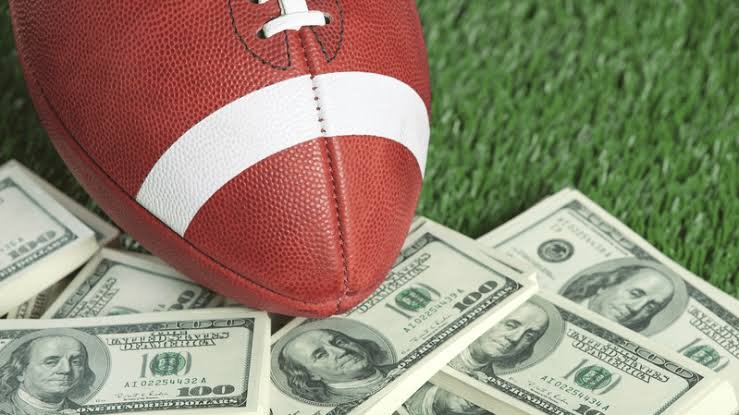

NIL income comes from third parties like brands or collectives, not directly from the school. It rewards personal marketability rather than performance stats alone.
Revenue sharing, on the other hand, is a direct payment from the university itself. Together, both models now form the backbone of college athlete compensation in 2026.
The Employee Classification Debate
The National Labor Relations Board has suggested some college athletes should be classified as employees. This would open the door to unionization and labor protections.
Supporters say employee status guarantees benefits like healthcare and grievance processes. Opponents worry it could end amateur sports as we know them.
Impact on Recruiting and Competitive Balance
Wealthier schools with larger NIL collectives can attract top recruits more easily. Programs in bigger media markets often have an advantage in fundraising.
Smaller schools in less commercial areas may struggle to compete for the same talent, raising fairness concerns across divisions.
The Transfer Portal Connection
Launched in 2019, the NCAA transfer portal lets athletes switch schools more freely than before. Combined with NIL, some athletes now transfer for better pay.
Critics argue this weakens team loyalty and stability, while supporters see it as basic free-market movement for athletes.
Mental and Physical Health Considerations
A survey found many athletes hide concussions out of fear of appearing weak to teammates. Financial pressure often makes athletes push through injuries.
Fair pay alone won’t fix this culture, but it could reduce one major source of stress athletes carry throughout their season.
What Experts and Officials Say
Notre Dame’s athletics leadership has publicly supported letting athletes profit from their own celebrity, just like any other student. California Governor Gavin Newsom made similar comments defending athlete compensation.
Justice Gorsuch’s Supreme Court opinion remains the most cited legal justification for paying college athletes fairly today.
How Different Stakeholders View the Debate
Athletes’ Perspective
Athletes often feel they carry the financial weight of college sports without a fair share of the profits. Many describe their sport as their primary job.
They point to injury risk, time commitment, and lost earning opportunities as key reasons they deserve direct pay.
University Administrators’ Perspective
Administrators worry about budget strain, especially at schools without major football or basketball revenue. Many athletic departments already operate on thin margins.
They also worry that paying some athletes could create resentment among teammates in non-revenue sports.
Coaches’ Perspective
Some coaches support paying athletes, noting that players take on the same risks and public pressure coaches do. Others fear it could disrupt team culture.
Recruiting dynamics also shift when NIL money becomes part of a coach’s pitch to potential recruits.
Fans’ Perspective
Fans are split between those who value amateurism and those who see paying athletes as simple fairness. Many younger fans support NIL and revenue sharing.
Older fans sometimes feel paying athletes changes the spirit of college sports compared to professional leagues.
State-by-State NIL Law Differences
NIL laws are not uniform across the United States, since individual states passed their own legislation starting with California in 2019. This created inconsistencies in what athletes could legally earn.
Some states allow high school athletes to sign NIL deals, while others restrict this to college athletes only. Schools in NIL-friendly states often have a recruiting advantage.
| State Approach | Example Impact |
|---|---|
| Early adopter states (e.g., California) | Attracted top recruits early with flexible NIL rules |
| Restrictive states | Schools faced recruiting disadvantages |
| States with collective-friendly laws | Allowed boosters to organize large NIL funds |
Highest-Earning College Athletes (Reported NIL Estimates)
| Sport | Estimated Annual NIL Range (2025-2026) |
|---|---|
| Football (top quarterbacks) | $1 million – $4 million+ |
| Men’s Basketball (star players) | $500,000 – $2 million |
| Women’s Basketball (top stars) | $500,000 – $1.5 million |
| Baseball/Other sports (top athletes) | $50,000 – $300,000 |
Note: These figures vary widely by school, market size, and individual popularity, and are not officially published by the NCAA.
Common Related Terms in This Debate
Understanding the vocabulary around this topic makes the debate easier to follow. Below are key terms frequently used alongside this discussion.
| Term | Meaning |
|---|---|
| Amateurism | The traditional NCAA principle that athletes should not be paid salaries |
| NIL | Name, Image, and Likeness rights allowing athletes to earn endorsement money |
| Revenue Sharing | Direct payments from schools to athletes from athletic department income |
| Collective | A group of boosters or businesses that pool funds for NIL deals |
| Transfer Portal | A system letting athletes switch schools while keeping eligibility |
| Power Five | The wealthiest and most prominent NCAA Division I conferences |
Arguments Beyond Money: Education and Development
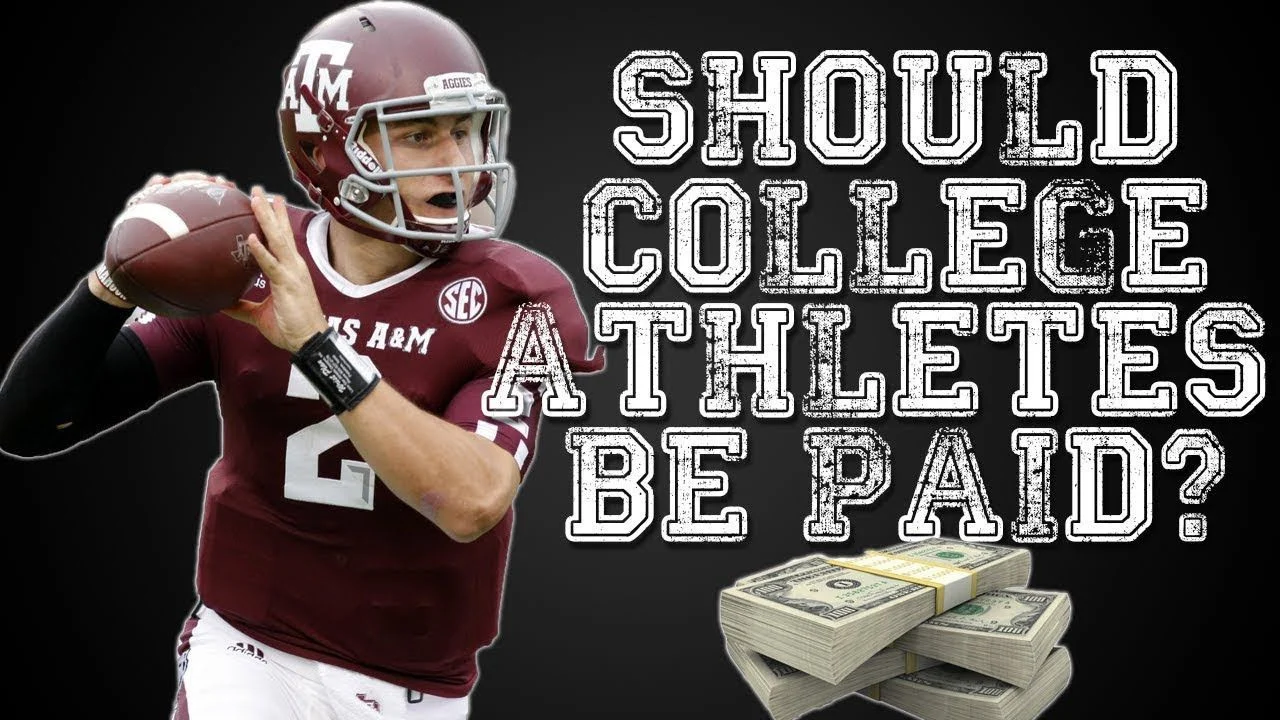

Supporters of the current system argue college sports still offer irreplaceable value beyond money. Teamwork, discipline, and leadership skills carry into life after sports.
Critics counter that these benefits don’t need to come at the cost of fair financial treatment. Both can coexist under a well-structured pay model.
What Could Change Next
Legal experts expect further lawsuits and legislation to refine how revenue sharing works across different divisions. Congress has also discussed a possible federal NIL law to standardize rules nationwide.
Smaller conferences may need new solutions to remain competitive as larger schools deepen their financial advantage. The next few years will likely bring more structural change.
The Bottom Line for 2026
College athletes are now legally allowed to earn money through NIL deals and revenue sharing. The core debate has shifted from legality to structure and fairness.
Both sides raise valid points about finances, education, and competitive balance. The system will likely keep evolving as courts, schools, and the NCAA adjust.
International Comparison: How Other Countries Handle College Sports
Most countries outside the United States do not link elite sports to universities the way the NCAA does. Athletes in Europe typically join professional club academies instead of college teams.
This makes the American college sports model unique, since it blends education with a multi-billion dollar commercial industry. That structure is a major reason the pay debate is so uniquely American.
Frequently Asked Questions (FAQs)
1. Why should college athletes be paid?
They generate billions in revenue for schools and media companies. Fair compensation reflects the time, risk, and labor they contribute.
2. Are college athletes paid in 2026?
Yes, through NIL deals and school revenue sharing since 2024-2025. Payments vary widely by school and sport.
3. What is NIL in college sports?
NIL stands for Name, Image, and Likeness. It lets athletes earn money from endorsements and sponsorships.
4. Did the Supreme Court rule on paying athletes?
Yes, in NCAA v. Alston (2021) the Court ruled against strict NCAA pay limits. This opened the door to broader athlete compensation.
5. Do scholarships count as payment?
Many argue scholarships are a form of compensation already. However, they don’t cover all living expenses athletes face.
6. Why are some people against paying athletes?
Critics worry it could bankrupt smaller athletic programs. They also fear it may distract athletes from academics.
7. How much money does college sports generate?
NCAA Division I programs earned nearly $19 billion in 2023. Football and basketball generate the largest share of this revenue.
8. Are college athletes considered employees?
Not officially yet, though the NLRB has suggested some should be. This classification remains a major legal debate.
9. Which schools pay college athletes the most?
Power Five conference schools with large NIL collectives typically pay the most. Football and basketball players usually earn the highest amounts.
10. Will all college athletes eventually be paid?
Momentum suggests broader pay structures will continue expanding. However, smaller schools and non-revenue sports may see slower changes.
Conclusion
The question of why should college athletes be paid comes down to fairness versus tradition. Athletes generate billions in revenue, face real injury risks, and dedicate full-time hours to their sport, which makes a strong case for compensation.
At the same time, scholarships, program budgets, and academic priorities complicate the picture, giving critics valid reasons for caution. As of 2026, NIL deals and revenue sharing have already answered the legal question, allowing athletes to earn money in ways unimaginable a decade ago.
The remaining debate is about balance: how to compensate athletes fairly without harming smaller programs, non-revenue sports, or the educational mission of college athletics. Whichever side you lean toward, understanding both perspectives helps you engage more meaningfully with one of the biggest ongoing changes in American college sports.
As NIL deals, revenue sharing, and possible employee status continue to evolve through 2026 and beyond, this remains one of the most important stories in modern athletics to follow closely.