

Why is my dog not eating his food but will eat treats? It’s a confusing and worrying moment for any pet parent, especially when your dog eagerly grabs a treat but turns away from a full bowl.
This behavior actually has a name: partial anorexia. It simply means your dog is being selective rather than refusing all food. The cause can range from simple pickiness to dental pain or an underlying illness.
What Is Partial Anorexia in Dogs?
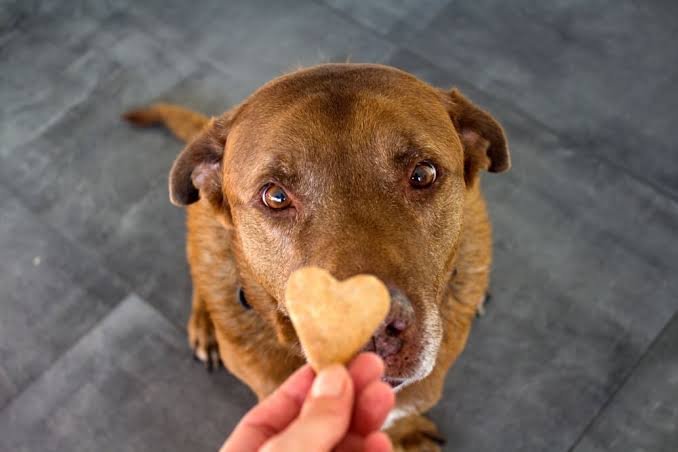

Partial anorexia means your dog will eat certain foods, like treats, while refusing their regular meal.
This is different from full anorexia, where a dog refuses to eat anything at all. Partial anorexia is far more common and usually points to a specific, fixable cause.
Behavioral vs Medical Causes: Quick Comparison
Understanding whether the cause is behavioral or medical helps you decide how urgently to act.
| Category | Common Signs | Typical Action |
|---|---|---|
| Behavioral | Normal energy, active, only skips meals | Adjust routine and treats |
| Medical | Lethargy, vomiting, weight loss, bad breath | Schedule a vet visit |
| Environmental | Appetite returns once stress resolves | Reduce stressors, monitor |
| Dental | Chewing on one side, dropping food | Vet dental exam |
Why Treats Are More Appealing Than Regular Food
Most commercial treats are higher in fat, salt, and flavor than everyday kibble. This makes them naturally more exciting to a dog’s palate.
Treats also come in small, quick bites tied to praise and positive attention, which makes them feel like a reward rather than routine food.
Learned Behavior: The Waiting Game
Dogs are quick learners. If skipping a meal has ever led to a tastier treat or table scrap, your dog may repeat that pattern on purpose.
Over time, your dog may begin viewing regular food as optional because they expect something better to follow.
Too Many Treats Throughout the Day
Treats are calorie-dense, so even a few can fill your dog up before mealtime arrives.
Most veterinary guidance suggests treats should stay under 10 percent of a dog’s daily caloric intake to avoid this exact issue.
Irregular Feeding Schedules
Dogs thrive on routine. When meals are offered at inconsistent times, their natural hunger cues become confused.
Leaving food out all day rather than offering scheduled meals can also reduce the urgency your dog feels to eat right away.
Food Boredom
Eating the same food every single day can lead to boredom, especially in dogs that are naturally curious about new tastes.
Rotating high-quality food flavors or occasionally adding dog-safe toppers can help reignite interest in mealtime.
Stress and Anxiety
Changes in the household, such as a new pet, a new baby, or even a family member leaving for college, can create real stress for a dog.
When stressed, dogs often lose interest in scheduled meals but still accept treats, since treats are linked to comfort and positive experiences.
Environmental and Routine Changes
Moving to a new home, changing feeding locations, or having a different person handle mealtime can throw off a dog’s appetite temporarily.
Dogs feel most comfortable eating in a quiet, predictable environment without excess noise or foot traffic.
Dental Pain and Oral Issues
Oral pain from tartar buildup, gum disease, or a broken tooth can make chewing hard kibble genuinely painful.
Soft or small treats require far less chewing pressure, which is why a dog with dental pain may still eagerly accept them.
Watch for chewing on only one side, dropping food, bad breath, or pawing at the mouth as early warning signs.
Upset Stomach and Digestive Issues
Gastrointestinal discomfort, food sensitivities, or gastritis can make a full meal feel unappealing while smaller treats remain tolerable.
Watch for excessive gas, vomiting, or loose stool, since these symptoms often point to a digestive cause rather than simple pickiness.
Food Allergies and Sensitivities
A dog may develop a new sensitivity to an ingredient in their regular food, even if they’ve eaten it for years without issue.
Signs of a food allergy can include itching, hair loss, rashes, or repeated stomach upset alongside reduced interest in meals.
Spoiled or Stale Food
Dogs rely heavily on their sense of smell to judge whether food is appealing or safe to eat.
If kibble has been open too long or improperly stored, it can lose its aroma or develop a stale, off-putting smell.
Store dry food in an airtight container and try to use each bag within four to six weeks for the best freshness.
Underlying Illness
A sudden, unexplained drop in appetite for regular food is often one of the first signs that something is medically wrong.
Conditions such as liver disease, anemia, infections, or organ dysfunction can all reduce a dog’s desire for a full meal while treats remain appealing.
Pain From Injury or Arthritis
Physical discomfort from an injury, arthritis, or joint pain can make a dog reluctant to lower its head into a bowl for extended periods.
Treats, which are quick and require less sustained posture, may still feel manageable even when a full meal does not.
Age-Related Changes
Senior dogs often experience a natural decline in their sense of smell and taste, which can make regular food less appealing over time.
Older dogs may also become more particular about texture, preferring softer treats over harder kibble as their teeth and gums age.
Warning Signs That Need Veterinary Attention
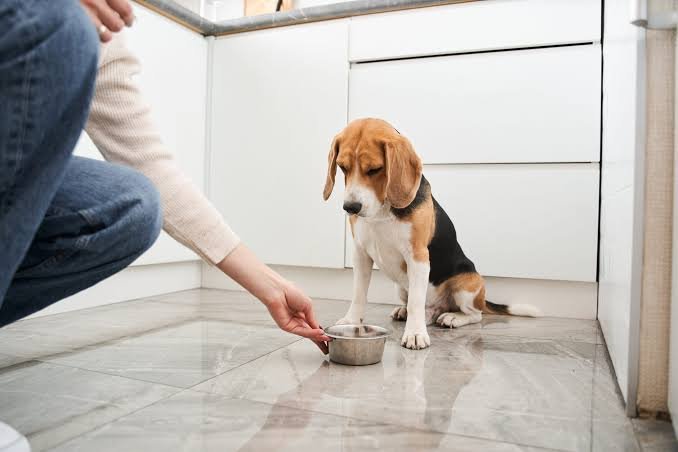
Most cases of selective eating resolve on their own, but certain symptoms should never be ignored.
| Warning Sign | Why It Matters |
|---|---|
| Refusal to eat for 24+ hours (adult dog) | May indicate illness |
| Refusal to eat for 12+ hours (puppy) | Puppies need frequent nutrition |
| Vomiting or diarrhea | Suggests digestive or systemic issue |
| Lethargy or reduced activity | Common early illness sign |
| Weight loss over time | Points to a chronic problem |
| Bad breath or drooling | May indicate dental disease |
How Long Can a Healthy Dog Skip Meals?

A healthy adult dog can typically go 24 to 48 hours without regular food as long as they remain active and hydrated.
Puppies under six months should not go longer than about 12 hours without eating, since their bodies need more consistent nutrition.
Practical Fixes: Building a Better Feeding Routine
Feed your dog at the same times every day so their internal hunger cues stay predictable and consistent.
Leave food down for 15 to 20 minutes, then remove any uneaten portion rather than leaving it out all day.
Limit treats to training moments and special occasions rather than allowing them to replace part of a meal.
Making Regular Food More Appealing
Adding a small amount of warm water or low-sodium broth to dry kibble can enhance its aroma and make it more enticing.
Mixing in a spoonful of wet food or a dog-safe topper can help bridge the gap for dogs going through a picky phase.
Rotating between high-quality food flavors occasionally can also help prevent boredom-related refusal over the long term.
Creating a Calm Feeding Environment
Feed your dog in a quiet, low-traffic area away from loud noises or competing pets.
In multi-dog households, separate feeding stations can reduce stress caused by food guarding or intimidation at mealtime.
When to Transition Foods Safely
If you suspect the current food is the issue, transition to a new formula gradually over seven to ten days.
Mixing increasing amounts of the new food with the old prevents digestive upset during the switch.
When to Call the Vet
Contact your veterinarian if your dog refuses food for more than 24 hours or shows any of the warning signs listed earlier.
A vet visit is especially important if the pattern is new, sudden, or paired with any other change in behavior or energy.

Frequently Asked Questions (FAQs)
1. Why does my dog refuse food but eat treats right after?
Treats are more flavorful and calorie-dense, so dogs often prefer them, especially if regular meals feel repetitive or unappealing.
2. Is it normal for a dog to skip a meal occasionally?
Yes, an occasional skipped meal in an otherwise healthy, active dog usually isn’t a cause for concern.
3. Can dental pain really cause a dog to avoid kibble?
Yes, sore teeth or inflamed gums can make hard kibble painful, while soft treats remain comfortable to chew.
4. How long can my dog go without eating before I worry?
Healthy adult dogs can typically go 24 to 48 hours, but puppies should not go longer than about 12 hours.
5. Can stress really stop my dog from eating regular meals?
Yes, household changes, new pets, or separation anxiety can suppress appetite for meals while treats remain comforting.
6. Should I stop giving treats if my dog won’t eat meals?
Yes, reducing treats to under 10 percent of daily calories often helps restore natural hunger for regular food.
7. Can spoiled food cause my dog to refuse meals?
Yes, dogs rely on smell to judge food freshness, and stale or spoiled kibble is often rejected outright.
8. Is picky eating more common in certain dogs?
Yes, small breeds and senior dogs are more prone to developing selective or picky eating habits over time.
9. What illnesses can cause a dog to skip meals but still want treats?
Digestive issues, dental disease, liver problems, and pain-related conditions can all reduce interest in full meals.
10. When should I take my dog to the vet for this behavior?
See a vet if refusal lasts beyond 24 hours or comes with vomiting, lethargy, weight loss, or other symptoms.
Conclusion
So, why is my dog not eating his food but will eat treats? In most cases, the answer comes down to a mix of behavior and biology. Treats are simply more exciting, and if your dog has learned that skipping meals leads to something tastier, that pattern can become a habit. Stress, food boredom, and irregular routines are also common, fixable culprits behind this behavior.
At the same time, selective eating can be an early sign of dental pain, digestive trouble, or an underlying illness, especially if it’s a sudden change. Watching for warning signs like vomiting, lethargy, or weight loss helps you know when a vet visit is necessary. With a consistent routine, limited treats, and a calm feeding environment, most dogs return to enjoying their regular meals again.