


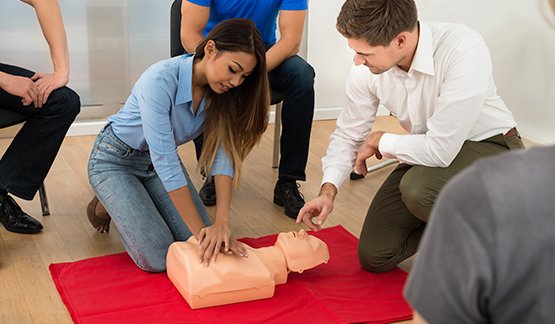
Coaches and instructors are trusted leaders who guide others through physical activity, learning, and skill development. Whether working with children, teens, or adults, they are often responsible for groups in environments where injuries, medical emergencies, or sudden health issues can occur. In these moments, the ability to respond quickly and correctly can make a critical difference. First aid training equips coaches and instructors with the knowledge, confidence, and judgment needed to act safely under pressure. For many professionals, the journey toward preparedness begins by searching for cpr classes near me, but the importance of training extends far beyond certification—it is a core responsibility of leadership.
Prepared leaders create safer environments for everyone involved.
The Unique Responsibility of Coaches and Instructors
Unlike spectators or bystanders, coaches and instructors are actively responsible for the safety of others during structured activities. Participants often look to them for guidance not only in skill development but also in moments of uncertainty or distress.
This responsibility includes:
- Supervising physical activity
- Recognizing signs of injury or illness
- Making quick safety decisions
- Maintaining calm during emergencies
- Protecting participants until help arrives
First aid training supports these responsibilities with practical, reliable knowledge.
Why Emergencies Are More Likely in Active Settings
Physical exertion, repetitive movement, and environmental factors increase the likelihood of injuries and medical events. Sports fields, gyms, pools, studios, and classrooms all present unique risks.
Common emergency scenarios include:
- Falls and collisions
- Muscle or joint injuries
- Breathing difficulties
- Heat-related illness
- Sudden medical episodes
Preparedness ensures that these situations are handled with care rather than confusion.
Immediate Response Can Prevent Complications
The first few minutes after an injury or medical incident are often the most important. Quick, appropriate response can reduce severity, prevent complications, and support recovery.
First aid training enables coaches to:
- Assess situations accurately
- Decide when to act and when to wait
- Prevent further injury
- Provide reassurance and control panic
Delay or improper action can turn manageable incidents into serious emergencies.
Protecting Participants of All Ages
Many coaches and instructors work with children or youth, who may not be able to clearly explain symptoms or recognize danger. Others work with adults who may push through pain or hide discomfort.
First aid awareness helps coaches:
- Recognize warning signs early
- Respond to age-specific risks
- Adjust response based on physical ability
- Communicate effectively during stress
This awareness protects participants who rely on leadership for safety.
Building Trust and Confidence
Participants perform better when they feel safe. Knowing that a coach or instructor is trained to handle emergencies builds trust and confidence within a group.
This trust leads to:
- Greater participation
- Reduced fear of injury
- Stronger instructor-participant relationships
- More positive learning environments
Prepared leaders foster both physical safety and emotional security.
Managing Group Safety During Emergencies
Emergencies often affect more than one person. While one individual may be injured, others may be frightened or confused.
First aid training helps instructors:
- Maintain order and calm
- Delegate tasks appropriately
- Keep others safe while assisting one person
- Communicate clearly under pressure
Group control is a critical but often overlooked part of emergency response.
Understanding When to Stop an Activity
Coaches and instructors must sometimes make difficult decisions, such as stopping an activity or removing a participant from play. Without training, these decisions can feel uncertain or controversial.
Training provides clarity by:
- Helping identify serious warning signs
- Supporting evidence-based decisions
- Reducing pressure to “push through” injuries
- Protecting long-term participant health
Knowing when to stop is as important as knowing how to continue safely.
Reducing Legal and Professional Risk
Safety incidents can carry professional and legal consequences. While first aid training is not about avoiding responsibility, it demonstrates a commitment to duty of care.
Training helps by:
- Supporting responsible decision-making
- Reducing preventable harm
- Demonstrating preparedness
- Aligning with professional standards
Preparedness protects both participants and instructors.
Responding Calmly Under Pressure
Emergencies test emotional control. Panic can spread quickly, especially in group settings.
First aid training supports calm response by:
- Providing clear action steps
- Reducing uncertainty
- Building confidence through practice
- Improving focus during stress
Calm leaders create calmer environments.
Adapting Response to Different Environments
Every coaching or teaching environment presents different risks. What applies in a gym may differ from a field, pool, or classroom.
Training supports adaptability by:
- Teaching core response principles
- Encouraging situational awareness
- Supporting flexible decision-making
- Preparing instructors for varied scenarios
Adaptability is essential for effective safety leadership.
Supporting Inclusion and Accessibility
Many programs include participants with different abilities, health conditions, or fitness levels. First aid awareness helps coaches respond respectfully and appropriately.
This includes:
- Understanding diverse physical responses
- Avoiding assumptions about ability
- Communicating clearly and respectfully
- Supporting inclusive participation safely
Prepared instructors create safer, more inclusive spaces.
The Importance of Ongoing Skill Refreshment
Emergency response skills fade without use. Regular refreshers help ensure responses remain accurate and confident.
Ongoing learning supports:
- Updated safety practices
- Faster recognition of emergencies
- Improved response accuracy
- Greater confidence over time
Preparedness is an ongoing commitment.
Leadership Extends Beyond Instruction
True leadership includes protecting those in your care. First aid training reinforces this role by empowering coaches and instructors to act decisively when it matters most.
Leadership through preparedness:
- Enhances credibility
- Strengthens authority
- Demonstrates responsibility
- Builds long-term trust
Prepared leaders set the standard for safety.
Conclusion
First aid training is essential for coaches and instructors because emergencies can happen anytime, anywhere, and often without warning. From managing injuries and medical incidents to maintaining group safety and emotional control, trained leaders are better equipped to protect those in their care. Preparedness builds confidence, trust, and safer learning environments for participants of all ages.