


A New Wave of Digital Connectivity
If you follow digital trends even loosely, you’ve probably noticed how fast mobile technology is changing. Musicians, producers, freelancers, and creators—basically anyone who lives online—are relying more on flexible communication tools that don’t tie them to a physical SIM card or a local carrier. This shift is driven largely by two things: eSIM technology and virtual phone numbers, both of which are becoming essential for people who move between platforms, projects, and places without wanting the hassle of switching devices or juggling multiple phones.
The rise of remote work, cross-border collaborations, and online businesses has pushed these technologies out of tech-geek circles and into everyday life. And while these tools once seemed like niche add-ons, they’ve now become part of a wider conversation across the tech world—something you can see in industry reports, security discussions, and the growing number of carriers adopting digital-only solutions.
What an eSIM Actually Is—and Why It Matters
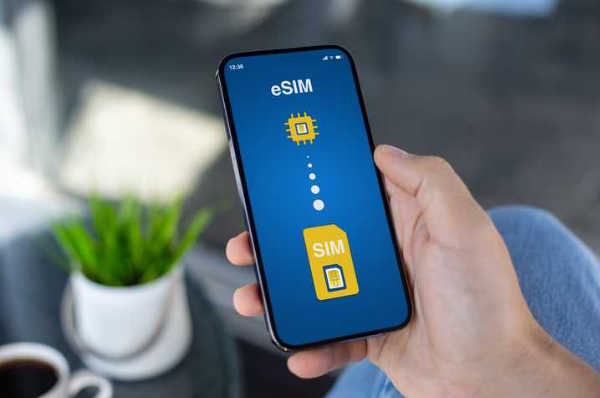
An eSIM is a digital version of the physical SIM card inside a phone. Instead of popping open your SIM tray and sliding in a tiny chip, the eSIM is already built into the device and can be activated instantly through a profile download. The idea sounds simple, but it changes everything: you can have multiple mobile plans on one device, switch networks instantly, and travel without hunting down a local SIM at the airport.
For a lot of artists, online creators, and remote workers, an esim number becomes the easiest way to stay reachable across platforms and regions without carrying multiple phones. It’s also a step toward a future where mobile connectivity is more software-driven than hardware-locked.
Understanding Virtual Phone Numbers
So where do virtual phone numbers come in? In short, a virtual phone number is a phone number that isn’t tied to a physical SIM card or a fixed device. You can buy one online, set it up in minutes, and receive calls or texts through an app or web platform. It works wherever you are—no phone shop appointment, no new handset required.
People use virtual numbers for all sorts of reasons:
- Privacy: keeping personal and work communications separate
- Travel: avoiding roaming fees when crossing borders
- Business: allowing clients to call a local number even if you’re based elsewhere
- Verification: managing multiple accounts across platforms that require SMS verification
Because these numbers operate via the internet, they’re extremely flexible. Musicians promoting a release can set up a temporary line for fan interaction. Freelancers can offer clients in another country a local number that makes communication easier. And people who manage online stores or digital services can avoid putting their personal number everywhere.
How to Get a Virtual Phone Number
Getting a virtual number is much easier than getting a carrier-based one. Most platforms allow you to choose a country, pick the type of number (mobile, local, toll-free), pay a small subscription fee, and activate it instantly. Some services even provide additional features such as call forwarding, voicemail transcription, SMS automation, or integration with messaging tools.
You don’t need a contract, you don’t need to visit a store, and you don’t need to swap hardware. Everything is handled online.
Why Virtual Numbers Beat Regular Numbers for Many Users
A standard phone number is tied to your SIM card and your carrier. That makes it stable, yes, but also rigid. Virtual numbers, on the other hand, let you:
- Keep business and personal life separate on one device
- Switch countries digitally without dealing with roaming charges
- Protect your privacy when signing up for online services
- Handle communication through apps rather than the phone dialer
- Enjoy more advanced features like scheduled messages or call analytics
It’s the same shift we’ve seen in other tech fields: software replacing hardware, flexibility replacing rigid plans, and digital accounts replacing physical products.
A Look at Today’s Most Used eSIM and Virtual Number Providers
Below is a quick, non-promotional overview of several well-known providers. This isn’t a ranking—just a look at who’s shaping the digital-SIM and virtual-number landscape right now.
eSIM Plus
Offers a broad range of global eSIM plans and is known for straightforward setup and wide international coverage.
Airalo
Provides affordable travel-focused eSIMs designed for people hopping between countries frequently.
Nomad
A simple platform geared toward travelers who want short-term, easy-activate mobile data packages.
Holafly
Well known among travelers for unlimited data plans in select regions, especially useful for long-term trips.
1Global (formerly Truphone)
Offers enterprise-grade eSIM solutions for businesses and users who need reliable international infrastructure.
Google Voice
An accessible option for users who want a free or low-cost virtual number integrated with Google’s ecosystem.
TextNow
Provides app-based phone numbers with basic calling and texting features, often used by people needing a second line.
These services vary widely in pricing, features, and target users, but together they show just how quickly the digital-number industry is expanding.
Why eSIM Tech and Virtual Numbers Work So Well Together
Here’s where the two technologies start to overlap. An eSIM gives you flexibility at the carrier level—switching mobile plans, adding international data, or managing multiple profiles on one phone. A virtual number gives you flexibility at the communication level—separate lines, regional presence, and online management.
Pair them together and you get a phone setup that’s far more adaptable than the traditional “one SIM, one number” model. Instead of your phone identity being locked to your SIM card, it becomes fluid, software-driven, and adjustable to your needs.
Think of it as building your own communication toolkit:
- An eSIM for the data plan
- A virtual number for the calls/messages
- Apps for organization and security
For creators, remote workers, and anyone juggling multiple digital roles, this combination is becoming the new normal.
What the Future May Look Like
The shift toward digital connectivity won’t slow down. Phone manufacturers are already exploring eSIM-only devices, and app-based phone numbers are becoming standard in business communication. As more tasks move online—from banking to verification to client management—the need for stable, flexible digital numbers will only grow.
It’s not unrealistic to think that physical SIM cards may disappear entirely in a decade. Virtual phone numbers may eventually integrate directly into operating systems, and carrier plans may be purchased the same way we buy apps.
We’re heading toward a world where phone identity is no longer a small plastic card—but a digital account you manage effortlessly.
Final Thoughts
For anyone living online—artists dropping new tracks, freelancers traveling for work, entrepreneurs running digital stores, or even everyday users trying to separate private from public communication—the combination of eSIM technology and virtual phone numbers offers a level of mobility and control that traditional phone plans can’t match.
You decide how you connect. You decide how you’re reachable. And you decide what number represents you in each space you work or create in.