

Why Does the Top of My Mouth Hurt When I Eat? —This is one of the most common oral complaints people experience daily.
The roof of your mouth, also called the palate, is covered in thin, sensitive tissue that can react to heat, sharp foods, infections, and even stress.
Most causes are minor and heal on their own within a few days. But sometimes the pain signals something that needs attention.
Why Does the Top of My Mouth Hurt When I Eat? All Causes Explained
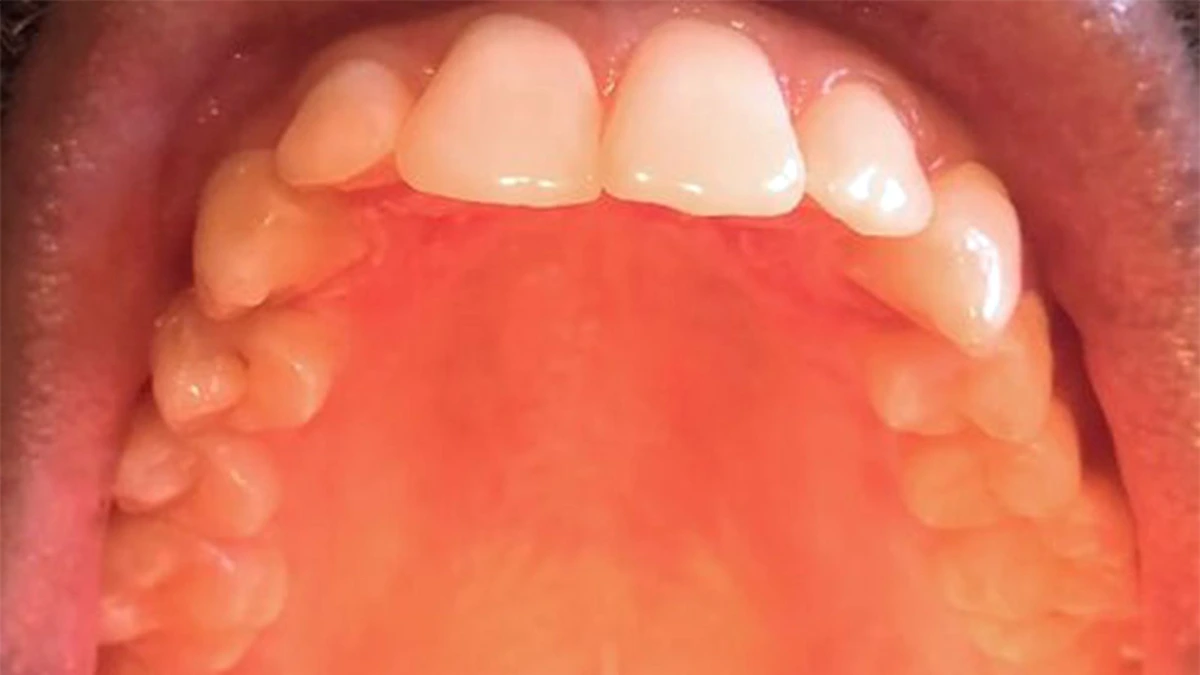

The Anatomy of Your Palate
Your mouth roof has two parts — the hard palate (the bony front section) and the soft palate (the flexible back portion). Both are lined with a thin mucous membrane packed with nerve endings. That is why even a small burn or scratch can cause sharp, disproportionate pain.
The tissue here heals faster than most body tissue, but it is also more vulnerable. Any heat, friction, acid, or infection hits it directly every time you eat or drink.
Cause 1: Hot Food Burns (Pizza Burn / Thermal Injury)
The most frequent reason the top of your mouth hurts is a thermal burn from hot food or drinks.
Foods like pizza, hot soup, coffee, or melted cheese reach temperatures above 80°C (176°F). At that temperature, the delicate palatal tissue can be burned in under a second. This is so common it has its own nickname — “pizza burn” or “pizza palate.”
After a burn, the roof of your mouth may feel raw, tender, or like sandpaper. You might notice a white or peeling patch. The pain usually peaks on day one and fades within 2–5 days.
What to do:
- Rinse immediately with cool (not ice cold) water
- Use saltwater rinses after meals
- Eat soft, lukewarm foods for 48 hours
- Avoid spicy, acidic, or crunchy food while healing
Cause 2: Spicy and Acidic Foods
Spicy foods contain capsaicin, a compound that binds to pain receptors in your mouth tissue. When you eat chili, hot sauce, or spicy curries, capsaicin triggers a burning signal in the palate even without any physical damage.
Acidic foods like citrus, tomatoes, vinegar, or carbonated drinks cause chemical irritation to the soft tissue lining. If your palate is already sensitive or slightly inflamed, spicy and acidic foods will make the pain significantly worse.
Common spicy and acidic triggers:
| Food Type | Examples |
|---|---|
| Spicy | Chili pepper, hot sauce, curry, jalapeño |
| Acidic | Lemon, orange, tomato sauce, vinegar, soda |
| Rough/Sharp | Chips, crackers, crusty bread, pretzels |
| Very Hot | Pizza cheese, hot coffee, boiling soup |
Cause 3: Sharp or Hard Foods Causing Physical Injury
Hard or sharp-edged foods can scratch or cut the roof of your mouth. Think tortilla chips, crusty bread, crackers, popcorn, or even the hard edges of raw vegetables.
You may not feel it immediately. The discomfort often builds a few hours later as the scratched area becomes inflamed and irritated. These small abrasions usually heal within 2–3 days on their own.
Continuing to eat the same hard foods before healing will keep reopening the wound and delay recovery significantly.
Cause 4: Canker Sores (Aphthous Ulcers)
Canker sores are small, round, shallow ulcers that can form anywhere inside the mouth — including the roof. They appear white or yellow with a red border and can cause intense stinging pain, especially when eating salty, spicy, or acidic foods.
They are not contagious and not caused by a virus. Common triggers include:
- Minor mouth injuries (biting your cheek or tongue)
- Hormonal changes
- High stress levels
- Dietary deficiencies (iron, vitamin B12, folate, zinc)
- Immune-suppressive medications
Canker sores typically heal on their own within 7–10 days. If they are very large, very painful, or do not heal in two weeks, see a dentist.
Cause 5: Oral Infections
Several infections can make the top of your mouth hurt badly when eating.
Oral Thrush (Fungal Infection)
Oral thrush is a yeast infection caused by Candida fungus overgrowth. It presents as creamy white or yellow patches on the palate and inner cheeks. The patches may be sore, and eating can feel burning or uncomfortable.
It is more common in people who use inhalers, wear dentures, take antibiotics, or have a weakened immune system.
Cold Sores — Herpes Simplex Virus (HSV)
The herpes simplex virus can occasionally cause blisters to form on the hard palate. These fluid-filled blisters rupture and leave painful open sores. Unlike canker sores, cold sores are contagious. They often flare up during times of stress, fatigue, or illness. Most clear within 7–14 days.
Bacterial Infections and Abscesses
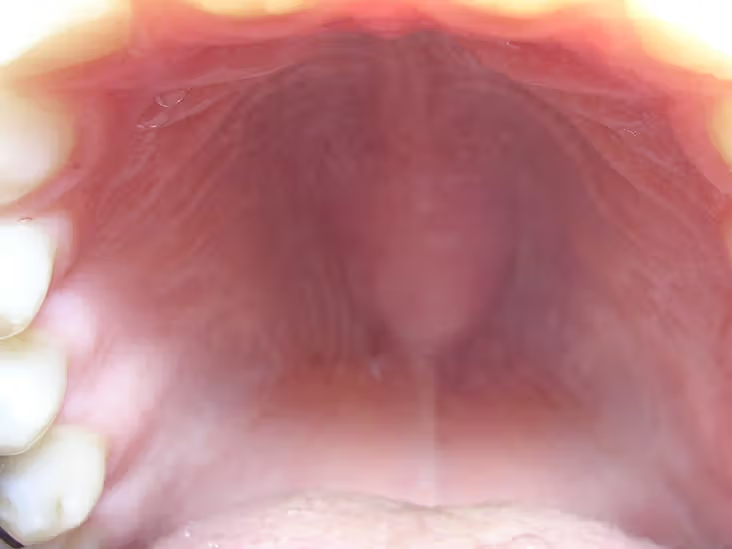

A dental abscess or severe gum disease can radiate pain upward to the roof of your mouth. This type of pain tends to be deeper, more persistent, and often comes with other symptoms like swelling, bad taste, or fever. This type needs prompt dental treatment.
Cause 6: Food Allergies and Sensitivities
Some people experience immediate irritation on the roof of the mouth after eating certain foods. This is a localized immune response — the soft tissues of the palate swell, tingle, or feel sore.
Common food allergy triggers include:
- Nuts (peanuts, tree nuts)
- Shellfish
- Raw fruits (especially stone fruits)
- Food additives and preservatives
Sensitivity to dental products like whitening toothpaste, mouthwash, or flavored chewing gum can also cause palatal irritation. If the pain starts right after brushing or eating a specific food, track the pattern for a few days to identify the trigger.
Note: If you experience difficulty breathing, rapid swelling, or throat tightening after eating, seek emergency care immediately — this is a sign of anaphylaxis.
Cause 7: Ill-Fitting Dentures or Dental Appliances
Braces, retainers, night guards, or poorly fitting dentures create constant friction and pressure on the palate. This mechanical irritation leads to sore spots, abrasions, and persistent pain that worsens every time you eat.
If your dental appliance was recently adjusted or is new, some initial soreness is normal. But if the pain is ongoing or getting worse, have your dentist check the fit and make adjustments.
Cause 8: Dry Mouth (Xerostomia)
Saliva does more than help digestion — it lubricates the palatal tissue and protects it from friction during eating. When saliva production is low (dry mouth or xerostomia), eating becomes painful as food directly rubs against unprotected tissue.
Dry mouth can be caused by:
- Insufficient water intake
- Certain medications (antihistamines, antidepressants, blood pressure drugs)
- Mouth breathing during sleep
- Alcohol and caffeine consumption
Drinking water regularly and using an alcohol-free mouth rinse can help manage dry mouth symptoms.
Cause 9: Electrolyte Imbalance
Electrolytes — including sodium, potassium, and magnesium — regulate fluid balance in body tissues. When electrolytes are out of balance, tissues in the mouth (including the palate) can become swollen, sore, or inflamed.
This is less common but can occur after illness, intense exercise, poor diet, or prolonged vomiting/diarrhea. Restoring electrolyte levels through proper hydration and diet usually resolves the swelling.
Cause 10: Burning Mouth Syndrome (BMS)
Burning mouth syndrome is a chronic condition that causes persistent burning, tingling, or scalding sensations in the mouth — often on the palate, tongue, or lips — without a visible cause.
It is more common in women, particularly after menopause. Contributing factors include:
- Nerve damage or dysfunction
- Vitamin B12, folate, or zinc deficiency
- Hormonal changes
- Stress and anxiety
- Oral infections
BMS does not have a single cure, but symptoms can be managed with treatment from a dentist or specialist.
Cause 11: Torus Palatinus (Bony Growth)
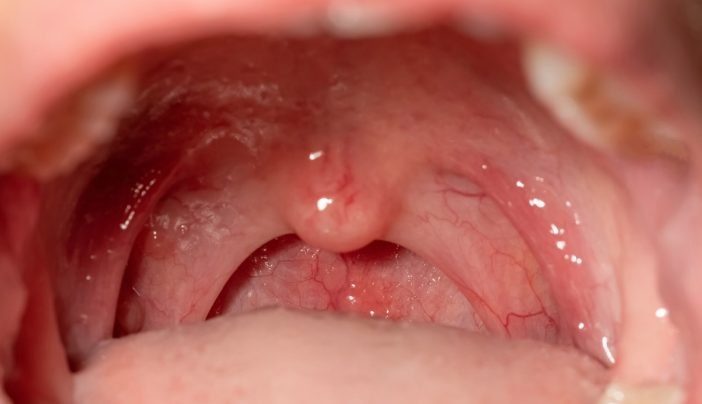

Torus palatinus is a benign bony growth on the hard palate. It is not dangerous, but it can make eating uncomfortable — especially with hard or sharp foods that press against the raised area. In most cases no treatment is needed. If it causes significant eating difficulty, a dentist or oral surgeon can evaluate removal options.
Cause 12: Sinus Pressure and Infection
The maxillary sinuses sit directly above the roof of your mouth. When you have a sinus infection or significant sinus congestion, the pressure can create referred pain in the hard palate. The pain often accompanies facial pressure, nasal congestion, and headache. Treating the underlying sinus condition typically resolves the palatal discomfort.
Warning Signs — When to See a Dentist Immediately
Most palate pain is minor and clears up within a few days. But certain symptoms mean you should not wait.
| Warning Sign | What It Could Mean |
|---|---|
| Pain lasting more than 10–14 days | Infection, abscess, or serious condition |
| Spreading swelling or fever | Spreading infection requiring antibiotics |
| White patches that won’t go away | Oral thrush or oral cancer screening needed |
| Difficulty swallowing or breathing | Emergency — seek immediate care |
| Persistent bleeding or unexplained lump | Requires urgent evaluation |
| Pus or foul taste near a tooth | Dental abscess |
How to Treat Roof of Mouth Pain at Home
For most minor causes — burns, small cuts, canker sores — home care is enough to get relief and speed up healing.
Step-by-Step Home Relief Plan
Day 1:
- Rinse with cool water immediately after a burn
- Sip ice water or suck on ice chips to reduce inflammation
- Avoid all hot, spicy, or acidic foods
- Eat soft foods: yogurt, oatmeal, eggs, mashed potatoes, smoothies
Days 2–5:
- Do warm saltwater rinses 3–4 times daily (½ tsp salt in 8 oz water)
- Use an alcohol-free mouthwash to keep the area clean
- Take over-the-counter ibuprofen or acetaminophen if needed for pain
- Apply an OTC oral gel (like Orajel) for temporary numbing relief
Ongoing:
- Stay well hydrated — water keeps tissue moist and helps healing
- Avoid tobacco products — they significantly slow oral tissue healing
- Let sharp or crunchy foods rest until your palate feels fully recovered
Foods That Help vs. Foods That Hurt

| Eat These (Soothing) | Avoid These (Irritating) |
|---|---|
| Yogurt, kefir | Hot pizza, hot soup |
| Oatmeal (cooled slightly) | Tortilla chips, crackers |
| Scrambled eggs | Citrus fruits, tomatoes |
| Banana, avocado | Spicy curries, hot sauce |
| Smoothies (not frozen) | Carbonated drinks |
| Soft cooked vegetables | Alcohol, strong mouthwash |
How Long Does Palate Pain Usually Last?
The healing time depends on the cause:
| Cause | Typical Recovery Time |
|---|---|
| Hot food burn (minor) | 2–5 days |
| Scratch from hard food | 2–3 days |
| Canker sore | 7–10 days |
| Cold sore | 7–14 days |
| Oral thrush | 1–2 weeks with antifungal treatment |
| Dental abscess | Requires dental treatment |
| Dry mouth | Ongoing management needed |
Frequently Asked Questions (FAQs)
Why does the top of my mouth hurt when I eat spicy food?
Spicy foods contain capsaicin, which directly binds to pain receptors in palatal tissue. If your palate is already irritated or sensitive, even mild spice will trigger burning pain.
Can a sinus infection cause roof of mouth pain?
Yes. The maxillary sinuses sit just above the hard palate. Sinus inflammation creates pressure that is felt as referred pain in the roof of your mouth.
How long does a pizza burn on the roof of the mouth take to heal?
A minor pizza burn typically heals in 2–5 days with saltwater rinses, cool foods, and avoiding further irritation.
Is it normal for the roof of my mouth to hurt after eating chips?
Yes. Sharp chip edges scratch the delicate palatal tissue. The scrape usually heals in 2–3 days if you avoid repeating the same hard foods.
Can stress cause the roof of my mouth to hurt?
Indirectly, yes. Stress is a key trigger for canker sores and can flare up cold sores and burning mouth syndrome, all of which cause palatal pain.
When should I be worried about mouth roof pain?
See a dentist if pain lasts longer than two weeks, comes with swelling or fever, shows white patches that won’t clear, or if you notice a lump or persistent bleeding.
Can dry mouth cause roof of mouth pain when eating?
Yes. Without enough saliva to lubricate tissue, food rubs against unprotected palatal mucosa with every bite, creating significant friction and soreness.
Does oral thrush hurt when eating?
Yes. Oral thrush causes white or yellow patches on the palate that are tender and create a burning sensation, especially with spicy, salty, or textured foods.
Can a tooth abscess make the roof of my mouth hurt?
Absolutely. An abscess or advanced gum disease can radiate deep, persistent pain upward to the hard palate, sometimes with a bad taste or visible swelling near a tooth.
What home remedy works best for a sore roof of mouth?
Warm saltwater rinses 3–4 times daily are the most effective and safest home remedy — they reduce inflammation, clean the area, and promote faster tissue healing.
Conclusion
The top of your mouth hurts when you eat because the palate is thin, highly sensitive tissue that reacts quickly to heat, sharp food, infection, and chemical irritation.
The most common culprits — hot food burns, spicy meals, canker sores, and minor scratches — are temporary and heal within a few days with basic home care.
Saltwater rinses, soft foods, staying hydrated, and avoiding further irritants are all you need in most cases.
However, do not dismiss pain that lingers beyond two weeks, comes with visible white patches, persistent swelling, fever, or a lump.
These are warning signs of infection, abscess, or a condition that needs professional evaluation. Oral thrush, dental abscesses, and burning mouth syndrome all require specific treatments that a dentist or doctor can provide.
The roof of your mouth plays a critical role in every meal and every conversation. Take care of it — and when in doubt, get it checked.