

Why does my teeth hurt when I bite down is one of the most searched dental questions in 2026. That sharp, sudden pain when you chew can stop you mid-meal and leave you confused.
It is not just discomfort — it is your body sending a clear signal. This pain can come from a cracked tooth, a hidden cavity, gum infection, or even sinus pressure.
Some causes are minor and easy to fix. Others need urgent dental care. In this guide, you will learn every possible cause, the warning signs you should never ignore, and exactly what to do next.
What Is Bite Pain and Why Does It Happen?
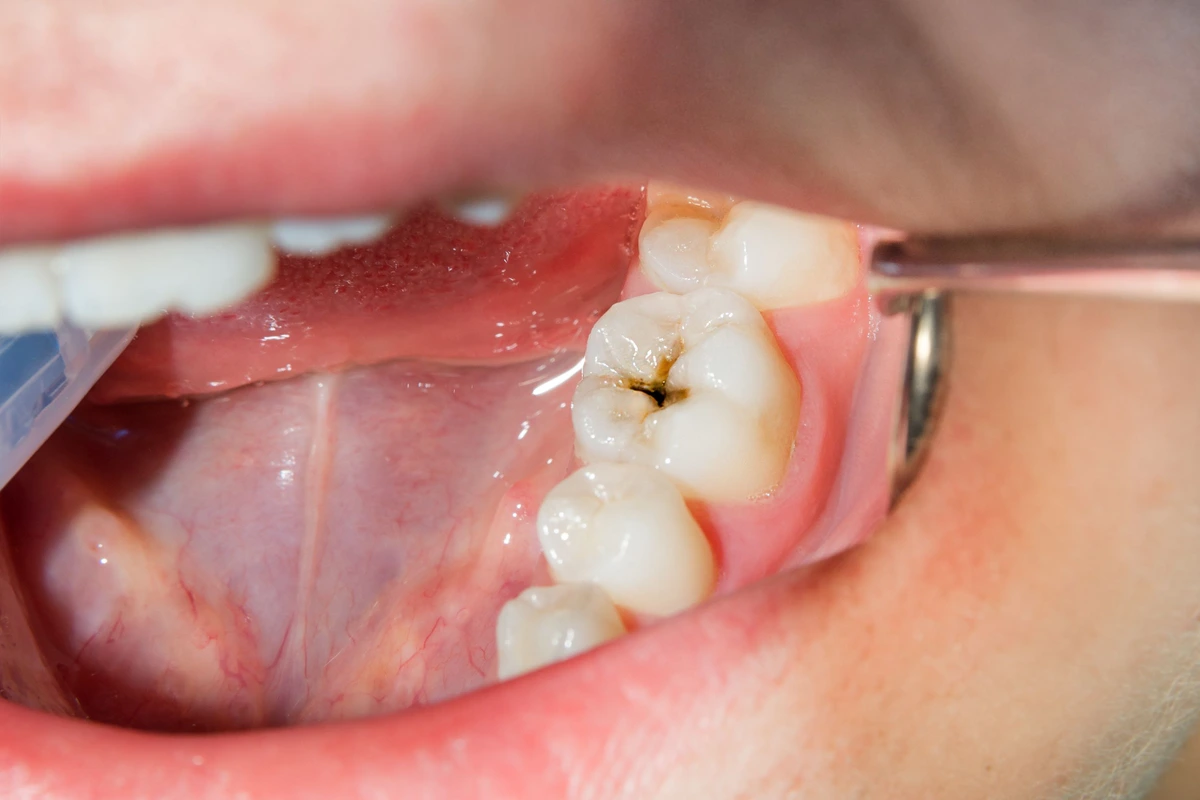

Bite pain occurs when pressure applied to a tooth triggers a nerve response. Every tooth has a pulp chamber inside filled with nerves and blood vessels. When something is wrong — a crack, infection, or decay — that pressure reaches the nerve and causes pain.
The pain can be sharp and sudden, or dull and throbbing. It may appear only when biting hard foods or linger after you stop chewing. The location and type of pain can point directly to the underlying cause.
10 Common Causes: Why Does My Teeth Hurt When I Bite Down
Understanding the root cause is the first step toward relief. Here are the most common reasons backed by dental research and competitor analysis.
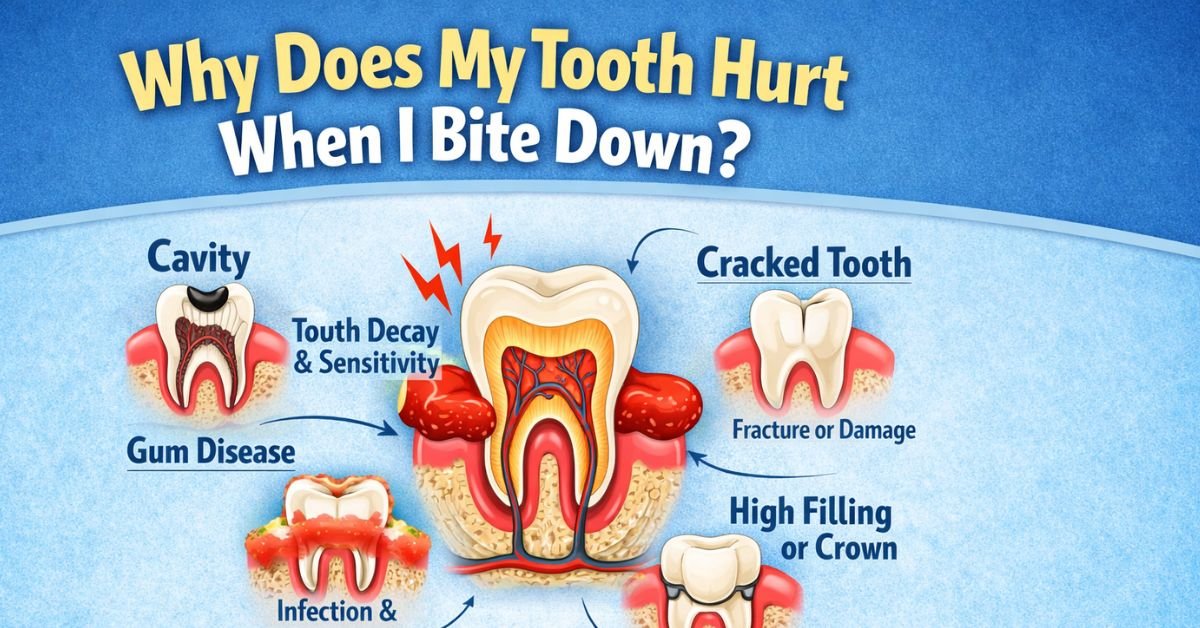
1. Cracked or Fractured Tooth
A cracked tooth is one of the top causes of bite pain. The crack may be invisible to the eye and sometimes even hard to detect on an X-ray.
When you bite down, the crack flexes and irritates the nerve inside. You may feel a sharp pain that disappears quickly after the pressure is released. Grinding teeth, chewing hard foods, or an old filling can all cause this type of fracture.
2. Tooth Decay and Deep Cavities
Cavities start small and often cause no pain. Once the decay reaches the inner dentin layer or the pulp, even light bite pressure triggers pain.
Studies show that over 90% of adults have had at least one cavity. Common signs include a visible dark spot, sensitivity to sweets, or spontaneous pain even without eating. If left untreated, decay can lead to a serious infection.
3. Dental Abscess or Tooth Infection
An abscess is a pocket of infection at the root or between the tooth and gum. It creates pressure and inflammation that causes intense pain when biting.
Other signs include swelling in the face, fever, bad taste in the mouth, and throbbing pain that does not stop. A dental abscess is a dental emergency and needs immediate professional treatment.
4. Gum Disease (Periodontitis)
Advanced gum disease causes gum tissue to pull away from teeth, exposing the root surface. The roots have no enamel protection, making them highly sensitive to any bite pressure.
You may also notice bleeding gums, bad breath, loose teeth, or spaces forming between teeth. Without treatment, gum disease causes permanent bone and tissue loss.
5. Bruxism (Teeth Grinding)
Bruxism means clenching or grinding your teeth, often at night without realizing it. The constant pressure wears down enamel, strains the jaw muscles, and inflames the roots.
You might wake up with sore teeth, jaw pain, or headaches. Over time, grinding causes micro-fractures and deep sensitivity. A custom night guard from your dentist can protect your teeth while you sleep.
6. High Dental Filling or Crown
After dental work, a filling or crown that sits too high throws off your bite. This puts uneven, heavy pressure on one tooth every time your jaw closes.
You will notice discomfort most right after the anesthetic wears off. The tooth may feel sensitive or sore when you bite. A quick adjustment at your dentist’s office solves this within minutes.
7. Sinus Infection and Sinus Pressure
Your upper molar roots sit very close to the sinus cavities. When your sinuses become inflamed due to a cold, allergy, or infection, they press on those roots and mimic tooth pain.
The pain is usually felt only in the upper back teeth on both sides. It often comes with sinus congestion, pressure behind the eyes, or nasal drainage. This is not a dental problem — treating the sinus issue resolves the tooth pain.
8. TMJ (Temporomandibular Joint) Disorder
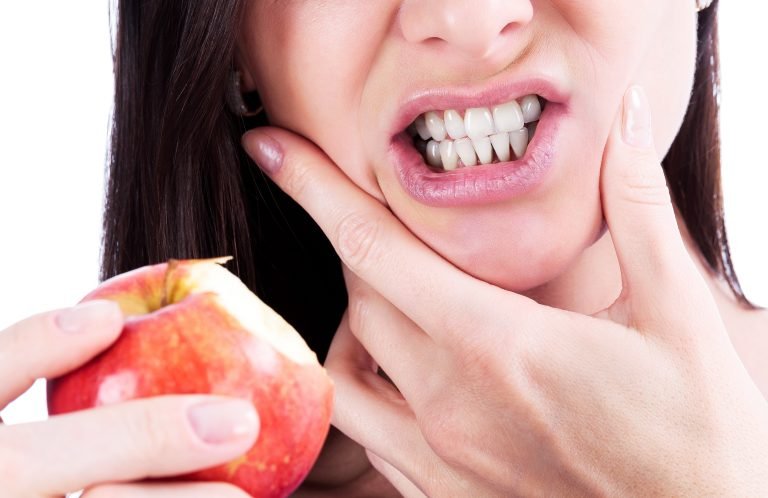

The TMJ is the joint that connects your jaw to your skull. When this joint is inflamed or misaligned, it causes pain throughout the jaw, face, and teeth during chewing.
Symptoms include clicking or popping sounds when you open your mouth, difficulty chewing, jaw stiffness, and ear pain. TMJ disorders can be caused by grinding, arthritis, or jaw injury.
9. Malocclusion (Bite Misalignment)
Malocclusion means your upper and lower teeth do not meet correctly. This creates uneven bite pressure that makes certain teeth absorb far more force than they should.
Causes include hereditary factors, lost teeth, or poorly fitted dental restorations. The affected tooth feels sore and painful every time you chew. Orthodontic treatment or bite adjustment resolves this issue.
10. Loose Crown, Filling, or Damaged Dental Work
Old or poorly fitted dental work can crack, shift, or wear out over time. When a filling is loose, bacteria can seep underneath it and irritate the tooth and its nerve.
You may feel a strange sensation like the tooth is moving, or sensitivity to hot and cold. If a crown feels loose or your bite feels different, do not delay. Visit your dentist as soon as possible to prevent further damage.
Impacted Wisdom Teeth
Wisdom teeth that do not have enough room to grow push against neighboring teeth. This creates pressure and pain in the back of the mouth, especially when biting down.
The gum tissue around a partially erupted wisdom tooth can also become inflamed and infected, a condition called pericoronitis. If your back molars hurt when biting, wisdom teeth could be the cause.
Warning Signs You Should Never Ignore
Some bite pain signals a serious problem that needs urgent dental care. Watch for these red flags closely.
| Warning Sign | What It May Indicate |
|---|---|
| Swelling in face or gums | Abscess or spreading infection |
| Fever with tooth pain | Dental infection entering bloodstream |
| Persistent throbbing pain | Nerve damage or abscess |
| Loose tooth sensation | Advanced gum disease or trauma |
| Bad taste or smell in mouth | Abscess draining or decay |
| Pain lasting more than 2 days | Progressive dental issue |
| Difficulty chewing or sleeping | Serious nerve involvement |
| Visible crack or chip | Structural tooth damage |
If you experience swelling, fever, or persistent pain that does not ease up within 24 to 48 hours, contact a dentist or go to an emergency dental clinic immediately.
How Your Dentist Diagnoses the Problem
When you visit for bite-related tooth pain, your dentist follows a clear diagnostic process to pinpoint the exact cause.
1 — Visual Examination: The dentist checks for visible cracks, decay, gum recession, or swelling around the affected tooth.
2 — Dental X-Rays: X-rays reveal hidden cavities, bone loss, abscess, or problems below the gum line that cannot be seen directly.
3 — Bite Test: A special marking paper is placed between your teeth to identify which spots are hitting harder than others when you close your jaw.
4 — Sensitivity Tests: Cold air, water, or a small probe tests how the tooth responds to temperature and pressure.
5 — Periodontal Assessment: The dentist measures the depth of the space between your gum and tooth to detect gum disease and bone loss.
Treatment Options Based on the Cause
Your treatment depends entirely on the diagnosis. Here is a breakdown of the most common treatments.
| Cause | Treatment |
|---|---|
| Cavity / Decay | Dental filling |
| Deep decay near nerve | Root canal therapy |
| Cracked tooth | Dental crown or bonding |
| Abscess / Infection | Root canal + antibiotics, or extraction |
| Gum disease | Scaling, root planing, or surgery |
| High filling or crown | Bite adjustment |
| Bruxism | Night guard / bite splint |
| TMJ disorder | Splint therapy, physical therapy, medication |
| Impacted wisdom tooth | Extraction |
| Loose crown or filling | Replacement or re-cementation |
Home Remedies for Temporary Relief

These remedies reduce pain temporarily while you wait for your dental appointment. They do not fix the underlying problem.
- Warm Salt Water Rinse: Mix half a teaspoon of salt into a cup of warm water. Swish gently for 30 seconds. Salt reduces inflammation and kills surface bacteria.
- Cold Compress: Apply a cold pack wrapped in cloth to the outside of your cheek. Use for 15 to 20 minutes. This numbs the area and reduces swelling.
- Over-the-Counter Pain Relievers: Ibuprofen (Advil) or acetaminophen (Tylenol) help control pain and inflammation. Always follow the recommended dose on the label.
- Desensitizing Toothpaste: Toothpaste containing potassium nitrate or stannous fluoride temporarily blocks pain signals from reaching the nerve. Use it twice daily.
- Soft Food Diet: Avoid crunchy, hard, sticky, or very hot foods. Eat soft foods like yogurt, mashed potatoes, soup, or scrambled eggs to avoid aggravating the tooth.
- Avoid Chewing on the Affected Side: Give the painful tooth a break until you see your dentist. This prevents further irritation or damage.
When to See a Dentist Right Away
Do not wait if your pain falls into any of these categories. Delaying treatment can turn a simple problem into a costly and complicated one.
You should see a dentist immediately if:
- Pain has lasted more than 48 hours with no improvement
- There is visible swelling in the face, jaw, or neck
- You have a fever over 100.4°F (38°C)
- Your tooth feels loose or mobile
- You notice pus, discharge, or a bad taste near the tooth
- You are having difficulty opening your mouth, breathing, or swallowing
- Pain is waking you up at night or making it impossible to eat
Prevention: How to Stop Bite Pain Before It Starts
Preventing bite pain is much easier and cheaper than treating it. These habits protect your teeth long term.
Brush twice a day using fluoride toothpaste to remove plaque and protect enamel from decay.
Floss daily to clean between teeth where cavities and gum disease often begin.
Visit your dentist every 6 months for professional cleaning and early detection of problems like small cracks or early-stage cavities.
Wear a night guard if you grind or clench your teeth during sleep. Bruxism causes serious enamel damage over time.
Avoid biting on hard objects like ice, pen caps, hard candy, or unpopped popcorn kernels. These are common causes of cracked teeth.
Address dental work promptly. Do not ignore a cracked filling or loose crown. Small problems become big ones when left untreated.
Stay hydrated and eat a balanced diet. Dry mouth and sugary foods both accelerate enamel decay and increase cavity risk.
Teeth Pain When Biting: A Quick Cause vs. Symptom Guide
Use this table to match your symptoms to the most likely cause.
| Your Symptom | Most Likely Cause |
|---|---|
| Sharp pain only when biting, fades fast | Cracked tooth |
| Pain with hot/cold AND biting | Deep cavity or pulpitis |
| Throbbing pain, swelling, bad taste | Dental abscess |
| Sore when touched, bleeding gums | Gum disease |
| Back teeth hurt on both upper sides | Sinus pressure |
| Pain started after recent dental work | High filling or crown |
| Morning jaw soreness + bite pain | Bruxism / teeth grinding |
| Pain only in back molars, wisdom area | Impacted wisdom tooth |
| Clicking jaw + bite discomfort | TMJ disorder |
Tooth Sensitivity vs. Bite Pain: What Is the Difference?
Many people confuse tooth sensitivity with bite pain. They are related but different.
Tooth sensitivity is triggered by temperature — hot coffee, cold drinks, or sweet foods. The pain is brief and fades within seconds. It is usually caused by thin enamel or exposed root surfaces.
Bite pain is triggered by pressure — chewing, clenching, or biting down. It may linger after the pressure is removed. It is often caused by structural problems like cracks, infections, or gum disease.
Both conditions can exist at the same time. If you experience both, a dental visit is essential to get an accurate diagnosis.
Children and Bite Pain: Special Considerations
Children can also experience pain when biting down. Common causes include cavities in baby teeth, erupting permanent teeth pushing through the gum, and early-stage gum issues.
If your child complains of bite pain, do not dismiss it as teething. A pediatric dental exam can quickly identify the cause. Untreated cavities in baby teeth can affect the development of permanent teeth underneath.
Elderly Patients and Bite Pain
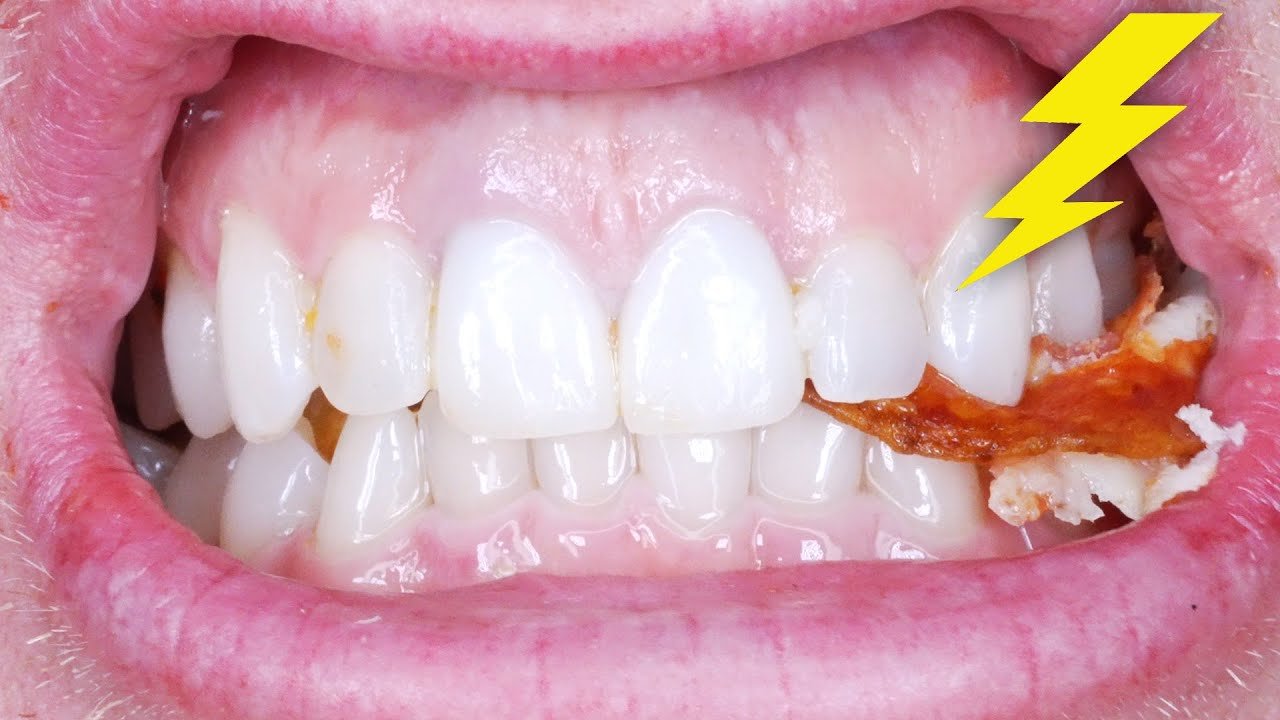

Older adults are more prone to bite pain due to decades of wear on teeth and restorations. Receding gums, dry mouth from medications, and older crowns or fillings all increase risk.
Regular dental checkups become even more important with age. Many older adults delay dental visits, but early detection of gum disease and decay can prevent tooth loss.
Frequently Asked Questions (FAQs)
Why does my teeth hurt when I bite down suddenly?
Sudden bite pain often signals a cracked tooth, a new cavity reaching the nerve, or a loose filling. See a dentist within 24 to 48 hours if the pain is sharp or persistent.
Can a sinus infection cause tooth pain when biting?
Yes. Inflamed sinuses press on the roots of the upper back teeth and mimic dental pain. Treating the sinus infection resolves this type of tooth pain completely.
Is tooth pain when biting an emergency?
It becomes an emergency if you have swelling, fever, pus, or pain spreading to the jaw or neck. These are signs of an abscess that can spread if untreated.
How long can tooth pain from biting last without treatment?
Without treatment, bite pain usually worsens over days or weeks. It rarely goes away on its own because the underlying cause continues to progress.
Why does my tooth hurt when I bite down but there is no cavity?
A crack, high filling, gum disease, bruxism, or TMJ disorder can all cause bite pain without a visible cavity. Your dentist can diagnose the exact cause through bite tests and X-rays.
Can teeth grinding cause pain when biting?
Yes. Bruxism wears down enamel, inflames the roots, and causes micro-fractures. This makes teeth sore and painful under the pressure of normal chewing.
Should I take pain medication before seeing the dentist?
Yes, you can take ibuprofen or acetaminophen for temporary relief. They help manage pain and inflammation until your appointment but do not treat the root cause.
Why does only one tooth hurt when I bite down?
Localized bite pain in one tooth usually points to a crack, deep cavity, abscess, or a high filling in that specific tooth. A dental exam will pinpoint the problem quickly.
Can bite pain go away on its own?
Minor bite pain from a high filling may ease slightly as the tooth adjusts. However, most causes like cracks, infections, and decay will worsen without professional treatment.
What happens if I ignore tooth pain when biting?
Ignoring bite pain risks the infection spreading to the jaw, bone, or bloodstream. Simple problems become complex and expensive procedures like extractions or implants.
Conclusion
Why does my teeth hurt when I bite down is a question that deserves a real answer and prompt action. Bite pain is almost never random — it is a signal from your body that something inside your tooth, gum, or jaw needs attention.
The most common causes include cracked teeth, deep cavities, dental abscesses, gum disease, bruxism, and even sinus infections. Some causes are simple fixes like a quick bite adjustment, while others require root canal therapy or surgery.
The key takeaway is this: do not wait. Pain that starts small and gets ignored rarely stays small. Use home remedies for temporary comfort, watch for the warning signs listed in this guide, and book a dental appointment as soon as possible. With the right diagnosis and treatment, bite pain can be resolved completely and your smile can stay healthy for years to come.