

Why does my left side of my stomach hurt is one of the most commonly searched health questions online — and for good reason. Left-sided abdominal pain can range from something as simple as trapped gas to something as serious as a kidney stone or diverticulitis.
The location of your pain offers important clues about which organ may be involved. Understanding what is happening inside your body can help you decide whether to rest at home or head straight to the emergency room.
Understanding the Left Side of Your Abdomen
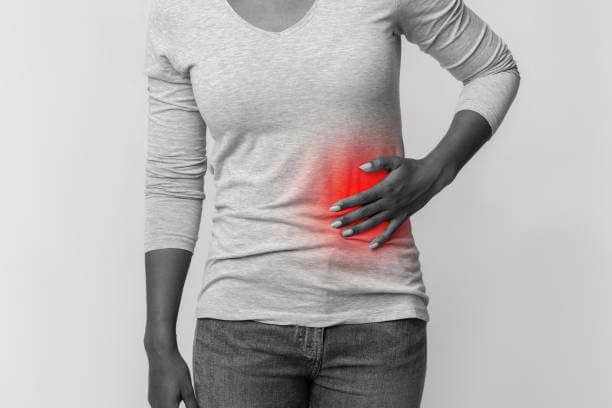

The left side of your abdomen is home to several important organs. Each one can become inflamed, infected, or injured — and each produces its own type of pain.
Your upper left abdomen contains your stomach, spleen, pancreas, and part of your colon. Your lower left abdomen contains the descending colon, part of your small intestine, and — in women — the left ovary and fallopian tube.
Pain in this region is not always coming from the organ closest to the surface. Sometimes pain from one area is “referred” to another, which is why a heart problem can occasionally feel like left stomach pain.
Organs Located on the Left Side
| Organ | Location | Common Problems |
|---|---|---|
| Stomach | Upper left | Gastritis, GERD, ulcers |
| Spleen | Upper left (under ribs) | Splenomegaly, rupture |
| Pancreas | Upper left to center | Pancreatitis, pancreatic cancer |
| Left Kidney | Middle-left flank | Kidney stones, infections |
| Descending Colon | Left side, top to bottom | Diverticulitis, IBS, colitis |
| Small Intestine | Throughout left abdomen | Crohn’s disease, obstruction |
| Left Ovary (women) | Lower left | Ovarian cysts, ectopic pregnancy |
What Does Left-Sided Stomach Pain Feel Like?
Pain on the left side of your abdomen can show up in many different ways. It helps to describe the character of your pain as accurately as possible when speaking to a doctor.
Some people feel a sharp stabbing sensation. Others notice a dull ache that comes and goes throughout the day. You might also experience cramping, burning, pressure, or a twisting sensation.
Common words people use to describe left-sided abdominal pain include constant, intermittent, gnawing, crampy, stabbing, throbbing, or colicky. Telling your doctor which description fits your pain best can significantly speed up diagnosis.
Upper Left Stomach Pain — What Could It Be?
When the pain is specifically in the upper left area — above the belly button and below the ribs — these are the most likely causes.
Pain here is often related to the stomach, spleen, or pancreas. It can also be referred from the chest, especially in cases involving the heart, lungs, or diaphragm.
The upper left region is medically called the left upper quadrant (LUQ). Problems here often feel worse after eating or when pressing on the area.
Lower Left Stomach Pain — What Could It Be?
Pain in the lower left abdomen — below the belly button on the left side — has its own set of common causes.
This region contains the descending colon and sigmoid colon, making it the epicenter for conditions like diverticulitis, IBS, constipation, and gas buildup.
In women, lower left pain can also involve the left ovary. Ovarian cysts, ovulation pain, and ectopic pregnancy can all produce significant lower left discomfort.
Cause 1 — Gas and Bloating
One of the most common answers to “why does my left side of my stomach hurt” is simply trapped gas.
Gas builds up in the descending colon on the left side of your body. When it becomes trapped, it causes sharp cramps, pressure, and bloating that can feel alarming but is usually harmless.
Gas pain typically resolves on its own within minutes to an hour. Passing gas or having a bowel movement usually provides immediate relief.
Cause 2 — Constipation
Constipation is another leading cause of left-sided abdominal pain, particularly in the lower left region.
When stool builds up in the colon — especially in the descending and sigmoid colon on the left side — it creates pressure and cramping. The pain may be constant or come and go depending on bowel activity.
Increasing water intake, eating high-fiber foods, and gentle physical activity are the most effective first steps to relieve constipation-related left stomach pain.
Cause 3 — Diverticulitis
Diverticulitis is one of the most common causes of persistent lower left stomach pain, especially in people over 40.
Diverticula are small pouches that form in the walls of the colon. They most often develop in the lower left portion of the colon. When these pouches become inflamed or infected, they cause diverticulitis — resulting in steady, often severe lower left pain.
Additional symptoms include fever, nausea, vomiting, and changes in bowel habits. Diverticulitis often requires antibiotics and, in serious cases, surgery.
Cause 4 — Irritable Bowel Syndrome (IBS)
IBS is a chronic digestive condition that affects the large intestine and frequently causes left-sided abdominal pain.
It produces cramping, bloating, gas, diarrhea, and constipation — often alternating between the two. Symptoms are typically triggered by certain foods, stress, or hormonal shifts.
IBS does not cause permanent damage to the intestine, but it significantly impacts quality of life. Dietary changes, stress management, and sometimes medication are used to control it.
Cause 5 — Gastritis and Stomach Ulcers
Gastritis is inflammation of the stomach lining. Because the stomach sits in the upper left portion of the abdomen, gastritis causes upper left stomach pain.
Common triggers include long-term use of NSAIDs like ibuprofen, Helicobacter pylori (H. pylori) infection, excessive alcohol, and stress. The pain often feels like a burning or gnawing sensation that may improve or worsen after eating.
Stomach ulcers (peptic ulcers) are open sores in the stomach lining. They produce similar pain to gastritis, and in severe cases can cause bleeding, which requires immediate medical attention.
Cause 6 — Kidney Stones
If you are asking why does my left side of my stomach hurt with a sharp, cramping pain that comes in waves and may radiate to your back or groin, kidney stones are a strong suspect.
Kidney stones form in the kidney and move through the ureter toward the bladder. When a stone is located in the left kidney or left ureter, it causes intense left-sided pain — often described as one of the most painful experiences a person can have.
Other symptoms include blood in the urine, nausea, vomiting, and a frequent urge to urinate. Most small stones pass on their own with hydration, but larger ones may need medical intervention.
Cause 7 — Kidney Infection (Pyelonephritis)
A kidney infection occurs when bacteria travel up from the bladder into the kidney. If the left kidney is affected, the result is sharp left flank pain that often extends into the left abdomen.
Unlike kidney stone pain, kidney infection pain is usually steady rather than coming in waves. It is commonly accompanied by fever, chills, nausea, and a burning sensation during urination.
Kidney infections are treated with antibiotics and require prompt medical attention. Untreated kidney infections can lead to serious complications including sepsis.
Cause 8 — Enlarged Spleen (Splenomegaly)
The spleen is located in the upper left abdomen, just below the rib cage. When it becomes enlarged, it produces a dull ache or pressure in the upper left stomach area.
Splenomegaly can be caused by viral infections like mononucleosis, liver disease, certain blood disorders, or cancer. The enlarged spleen may press on surrounding organs, causing a feeling of early fullness after eating.
A ruptured spleen is a medical emergency. If you have upper left pain after abdominal trauma, seek emergency care immediately.
Cause 9 — Pancreatitis
Pancreatitis — inflammation of the pancreas — is a serious cause of upper left stomach pain. The pancreas sits across the upper abdomen with its tail extending toward the left side.
The pain from pancreatitis is typically severe, constant, and radiates to the back. It often worsens after eating and improves slightly when leaning forward. Nausea and vomiting usually accompany it.
Acute pancreatitis is a medical emergency. Common triggers include gallstones, heavy alcohol use, and high triglycerides. Hospitalization is often required for treatment and monitoring.
Cause 10 — GERD (Acid Reflux)
Gastroesophageal reflux disease (GERD) is a chronic condition where stomach acid regularly flows back into the esophagus, causing irritation. Although primarily felt in the chest and upper abdomen, GERD pain can radiate to the left side.
In some cases, GERD discomfort can mimic a heart attack — producing left-sided chest or abdominal pain, especially after eating or lying down. This is why it is important not to dismiss left upper pain as “just heartburn.”
Lifestyle changes like avoiding trigger foods, eating smaller meals, not lying down after eating, and elevating the head of the bed are first-line treatments for GERD.
Cause 11 — Inflammatory Bowel Disease (IBD)
IBD is an umbrella term covering Crohn’s disease and ulcerative colitis — both of which can cause left-sided abdominal pain.
Crohn’s disease can affect any part of the digestive tract, including the left colon and small intestine. Ulcerative colitis most often affects the sigmoid colon and rectum on the left side of the abdomen.
Symptoms include chronic diarrhea, blood in stool, weight loss, fatigue, and abdominal cramping. IBD is a lifelong condition managed with medications, lifestyle changes, and sometimes surgery.
Cause 12 — Intestinal Obstruction
A bowel obstruction occurs when something blocks the passage of food or stool through the intestines. It can produce severe, cramping left-sided pain when it affects the descending or sigmoid colon.
Signs of a bowel obstruction include inability to pass stool or gas, bloating, loud bowel sounds, vomiting, and nausea. This is a medical emergency that requires immediate hospital treatment.
Causes of bowel obstruction include adhesions from previous surgery, hernias, tumors, or severe constipation (fecal impaction).
Cause 13 — Hernia

A hernia occurs when an organ or tissue pushes through a weak spot in the abdominal wall. Left-sided hernias can cause localized pain, a visible or palpable lump, and discomfort during physical activity.
Common types that affect the left side include inguinal hernias (near the groin), umbilical hernias (near the belly button), and hiatal hernias (where the stomach pushes into the chest cavity through the diaphragm).
Hernias do not heal on their own. Most eventually require surgical repair, especially if they become strangulated — meaning blood supply to the trapped tissue is cut off, which is a medical emergency.
Cause 14 — Muscle Strain
If you recently exercised intensely, lifted something heavy, or twisted awkwardly, a pulled or strained abdominal muscle may be the simple answer to why your left side of your stomach hurts.
Muscle strain pain typically feels sore to the touch and worsens with movement, coughing, or laughing. It usually improves with rest, ice, and over-the-counter pain relievers.
Unlike internal organ pain, muscle strain pain is usually confined to the surface and gets better within a few days. If it does not improve, see a doctor to rule out other causes.
Cause 15 — Shingles (Herpes Zoster)
Shingles is a viral infection caused by the reactivation of the chickenpox virus. It can cause left-sided abdominal pain before the characteristic rash even appears.
The pain from shingles is typically described as burning, tingling, or stabbing. It follows a band-like pattern on one side of the body, often wrapping around the torso. The rash, when it appears, confirms the diagnosis.
Early antiviral treatment reduces the severity and duration of shingles. If you have unexplained burning pain on one side of your abdomen, shingles should be on the list of possible causes.
Cause 16 — Causes Specific to Women
Women have additional possible causes of left-sided stomach pain related to their reproductive organs.
Ovarian Cysts: Fluid-filled sacs on the left ovary can cause dull or sharp lower left pain, bloating, and pelvic pressure. Most cysts are benign and resolve on their own, but large or ruptured cysts may require medical treatment.
Ovulation Pain (Mittelschmerz): Some women experience sharp, one-sided pain during ovulation — typically lasting a few hours to a couple of days. When it occurs on the left side, it can be mistaken for something more serious.
Menstrual Cramps: Dysmenorrhea (painful periods) can produce significant lower abdominal and left-sided cramping. This is typically most intense on the first day or two of a period.
Ectopic Pregnancy: One of the most serious causes of left lower abdominal pain in women is an ectopic pregnancy — when a fertilized egg implants outside the uterus, most often in a fallopian tube. This is a medical emergency requiring immediate treatment. Symptoms include severe abdominal or pelvic pain, vaginal bleeding, and shoulder tip pain.
Endometriosis: When uterine tissue grows outside the uterus, it can attach to the left ovary or surrounding structures, causing significant chronic left-sided pelvic pain — especially during periods.
Pelvic Inflammatory Disease (PID): An infection of the female reproductive organs that causes lower abdominal pain, fever, and unusual vaginal discharge.
Cause 17 — Referred Pain from the Chest
Not all left-sided abdominal pain originates in the abdomen. Several chest conditions can “refer” pain downward into the left stomach region.
These include heart attack, pneumonia, and pleuritis (inflammation of the lung lining). This is why severe left-sided pain should never be assumed to be stomach-related without ruling out cardiac causes.
If your left stomach pain comes with chest pain, shortness of breath, sweating, or arm pain — call emergency services immediately. These may be signs of a heart attack.
Cause 18 — Rare but Serious Causes
Some less common but serious conditions can also cause left-sided abdominal pain.
Aortic Aneurysm: A bulge in the main blood vessel (aorta) running through the abdomen. A rupturing aortic aneurysm is a life-threatening emergency causing sudden, severe abdominal and back pain.
Colon, Stomach, or Pancreatic Cancer: Pain from these cancers tends to be persistent, progressive, and accompanied by red-flag symptoms like unexplained weight loss, blood in stool, or loss of appetite.
Left-Sided Appendicitis: Rare, but possible — some people are born with their appendix on the left side. In these cases, appendicitis causes left lower pain instead of the typical right-sided presentation.
Symptoms Comparison — Mild vs. Serious Left Stomach Pain
| Symptom Profile | Likely Cause | Urgency |
|---|---|---|
| Sharp pain after eating, passes quickly | Gas, indigestion | Low — home care |
| Dull cramps before/during period | Menstrual cramps, ovulation | Low — manage at home |
| Burning upper left pain, worse at night | GERD, gastritis | Moderate — see a doctor |
| Lower left pain + fever + nausea | Diverticulitis, kidney infection | High — see doctor soon |
| Severe cramping + blood in urine | Kidney stones | High — urgent care |
| Sudden severe pain + vomiting | Pancreatitis, obstruction | Emergency — ER now |
| Left pain + vaginal bleeding (pregnant) | Ectopic pregnancy | Emergency — ER now |
| Left pain + chest pain + shortness of breath | Heart attack | Emergency — call 911 |
When to See a Doctor for Left-Sided Stomach Pain
Not every case of left-sided pain requires a hospital visit. But certain signs should prompt you to seek medical attention quickly.
See a doctor soon (within 24 hours) if your pain is moderate and does not improve after a day, if you have a fever along with abdominal pain, or if you notice blood in your urine or stool.
Go to the emergency room immediately if your pain is sudden and severe, if you cannot eat or drink without vomiting, if your abdomen is rigid or tender to the touch, if you are pregnant and experiencing abdominal pain with vaginal bleeding, or if your pain comes with chest pain, shortness of breath, or arm pain.
How Doctors Diagnose Left-Sided Stomach Pain
When you visit a doctor with left-sided abdominal pain, they will typically start by asking about the character, location, duration, and triggers of your pain.
A physical exam follows, during which the doctor presses on your abdomen to check for tenderness or rigidity. Blood tests, urine tests, and stool samples may be ordered to check for infection, inflammation, or organ problems.
Imaging studies like abdominal ultrasound, CT scan, or X-ray are commonly used to get a clear picture of what is happening inside. In women, a pelvic ultrasound may also be performed.
Treatment Options for Left-Sided Stomach Pain
Treatment depends entirely on the underlying cause of your left stomach pain. There is no one-size-fits-all approach.
Home remedies that work for mild causes:
- Rest and avoid eating (bowel rest) for a few hours
- Drink plenty of water to stay hydrated
- Apply a heating pad to the affected area
- Try the BRAT diet (bananas, rice, applesauce, toast) for digestive upset
- Over-the-counter options like antacids for GERD, simethicone for gas, or fiber supplements for constipation
Medical treatments for more serious causes:
- Antibiotics for diverticulitis, kidney infections, and PID
- Pain management and IV fluids for kidney stones and pancreatitis
- Surgery for bowel obstructions, ruptured ectopic pregnancies, hernias, and severe diverticulitis
- Long-term medications for IBD, IBS, and GERD management
Preventing Left-Sided Stomach Pain

Many common causes of left stomach pain can be reduced or prevented through healthy lifestyle choices.
Eating a high-fiber diet rich in fruits, vegetables, and whole grains reduces the risk of constipation, diverticulitis, and colon problems. Staying well-hydrated helps flush the kidneys and keeps the bowel moving smoothly.
Regular exercise supports digestion and reduces bloating. Managing stress is especially important for people with IBS, as the gut-brain connection plays a powerful role in digestive health. Avoiding smoking, limiting alcohol, and maintaining a healthy weight all reduce the risk of conditions like GERD, pancreatitis, and kidney disease.
Quick Reference — Common Causes at a Glance
| Cause | Pain Location | Key Additional Symptoms |
|---|---|---|
| Gas / Bloating | Lower left | Cramping, passes with flatulence |
| Constipation | Lower left | Infrequent hard stools, pressure |
| Diverticulitis | Lower left | Fever, nausea, bowel changes |
| IBS | Left or lower | Alternating diarrhea/constipation |
| Kidney Stones | Left flank / abdomen | Blood in urine, waves of pain |
| Kidney Infection | Left flank / abdomen | Fever, chills, burning urination |
| Gastritis / Ulcers | Upper left | Burning, worse with NSAIDs or fasting |
| GERD | Upper left / chest | Heartburn, worse lying down |
| Pancreatitis | Upper left / back | Severe, constant, nausea |
| Enlarged Spleen | Upper left under ribs | Fullness, dull ache |
| Ovarian Cyst | Lower left (women) | Bloating, pelvic pressure |
| Muscle Strain | Surface left | Sore to touch, worsens with movement |
| Shingles | Left band/side | Burning, tingling, then rash |
| Ectopic Pregnancy | Lower left (women) | Vaginal bleeding, severe pain |

1. Why does my left side of my stomach hurt after eating?
Left stomach pain after eating is most often caused by gastritis, GERD, indigestion, or gas buildup in the descending colon. If the pain is recurring, see a doctor to check for stomach ulcers or pancreatitis.
2. What organ is on the left side of the stomach?
The main organs on the left side include the stomach, spleen, pancreas, left kidney, descending colon, and — in women — the left ovary and fallopian tube.
3. Why does my lower left side of my stomach hurt?
Lower left pain is most commonly caused by gas, constipation, diverticulitis, or IBS. In women, it can also be related to ovarian cysts, menstrual cramps, or ovulation pain.
4. Should I go to the ER for left-sided stomach pain?
Go to the ER if the pain is sudden and severe, comes with fever and vomiting, is accompanied by chest pain or difficulty breathing, or if you are pregnant and having abdominal pain with vaginal bleeding.
5. Can a kidney stone cause pain in the left side of the stomach?
Yes. When a stone is in the left kidney or left ureter, it causes intense, wave-like pain in the left flank and abdomen, often radiating to the groin. Blood in urine is a key accompanying sign.
6. Why does my left stomach hurt when I press on it?
Pain when pressing on the left abdomen suggests tenderness in the underlying organs. This can indicate diverticulitis, a kidney infection, an inflamed spleen, or peritonitis — all of which require medical evaluation.
7. Can stress cause left-sided stomach pain?
Yes. Stress is a well-known trigger for IBS and can also worsen GERD and functional abdominal pain. The gut-brain axis means emotional stress directly impacts digestive function and pain sensitivity.
8. Why does my left side of my stomach hurt during pregnancy?
During pregnancy, left-sided pain can result from round ligament pain, gas, constipation, or the growing uterus pressing on surrounding organs. However, severe pain with bleeding may signal an ectopic pregnancy or placental abruption — seek emergency care immediately.
9. What is referred pain and can it cause left stomach pain?
Referred pain is pain felt in a different location from its source. Heart attacks, lung conditions, and spleen problems can all produce pain that feels like it is coming from the left stomach area, even though the actual problem is elsewhere.
10. How do I relieve mild left-sided stomach pain at home?
For mild pain, try resting your digestive system, staying hydrated, applying a warm heating pad, taking simethicone for gas, or antacids for indigestion. If pain does not improve within 24–48 hours or worsens, see a doctor.
Conclusion
Why does my left side of my stomach hurt is a question with dozens of possible answers — from the simple and harmless to the urgent and life-threatening. The location, character, and accompanying symptoms of your pain are the most important clues to finding the right answer.
Gas and constipation are by far the most common culprits and usually resolve quickly on their own. But diverticulitis, kidney stones, pancreatitis, ovarian cysts, and ectopic pregnancy are among the conditions that demand prompt medical evaluation.
Never ignore severe, sudden, or worsening left-sided abdominal pain — especially if it comes with fever, vomiting, blood in urine or stool, or any difficulty breathing. When in doubt, always get checked by a healthcare professional. Your body is talking to you — it is always worth listening.