

Why does my gum hurt in one spot is a question many people search when the rest of their mouth feels fine but one small area suddenly aches.
Localized gum pain can range from a minor irritation that heals in a day or two to a sign of infection that needs a dentist’s attention.
Quick Answer: Why Does One Spot on Your Gum Hurt?
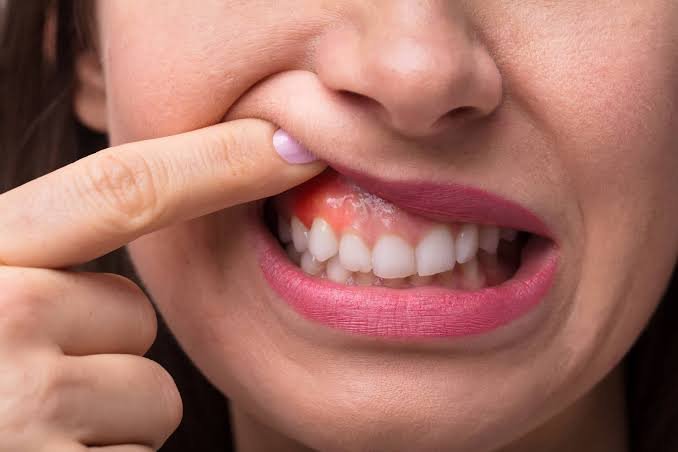

The most common causes are trapped food, gum injury from brushing, canker sores, gingivitis, or a dental abscess. Less often, it can signal an erupting tooth or an ill-fitting filling.
Most minor cases improve within 48 hours with gentle care. Pain that lasts longer or comes with swelling usually needs professional evaluation.
Is Localized Gum Pain Serious?
Not always. Many cases of one-spot gum pain come from something simple like a popcorn kernel stuck near the gumline.
However, sharp or throbbing pain with swelling, pus, or a bad taste can point to an infection that requires prompt dental care.
10 Common Causes of Gum Pain in One Spot
1. Trapped Food Debris
Small food particles like popcorn hulls, seeds, or meat fibers can wedge between the tooth and gum. This irritates the tissue and causes localized soreness.
If left in place, trapped debris can harbor bacteria and worsen inflammation over time.
What to do: Floss gently around the area and rinse with warm salt water to dislodge debris.
2. Gingivitis in One Area
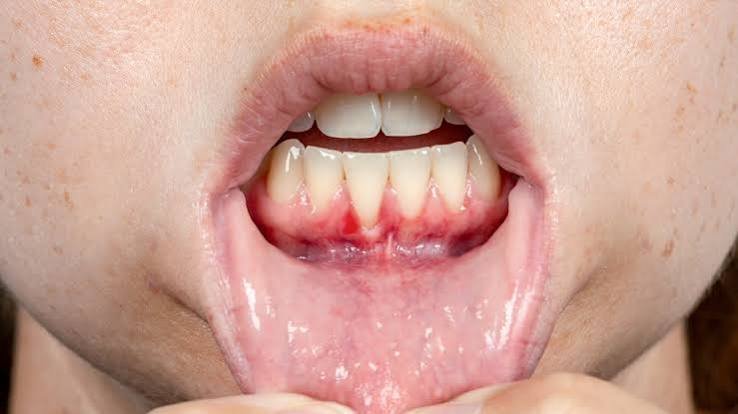
Plaque buildup along the gumline can trigger early gum disease in just one section of the mouth. This often happens where brushing is less thorough.
Signs include redness, slight swelling, and bleeding when you brush that specific spot.
What to do: Improve brushing technique in that area and schedule a professional cleaning.
3. Canker Sores (Aphthous Ulcers)
Canker sores are small, shallow ulcers that can appear on gum tissue. They often cause sharp, stinging pain concentrated in one exact spot.
Triggers include stress, hormonal changes, minor injury, or certain acidic foods.
What to do: Avoid spicy or acidic foods and use an over-the-counter numbing gel while it heals.
4. Gum Abscess
A gum abscess is a localized bacterial infection beneath the gumline. It often causes intense pain, swelling, a visible bump, or a foul taste.
This infection can stem from trapped food or an untreated cavity that spreads to nearby gum tissue.
What to do: Contact a dentist promptly, since abscesses do not resolve without treatment.
5. Tooth Abscess Radiating to the Gum
A severely infected tooth can develop a pus pocket near the root tip. The pain often radiates outward into the surrounding gum tissue.
This usually requires root canal therapy or extraction to fully resolve.
What to do: See a dentist as soon as possible, since tooth abscesses can worsen quickly.
6. Physical Irritation or Injury
Brushing too hard, using a firm-bristled toothbrush, or biting into hard or sharp foods can scratch or bruise the gum. This creates soreness in one specific spot.
The irritation is usually temporary and improves within a few days.
What to do: Switch to a soft-bristled toothbrush and use gentle pressure until it heals.
7. Gum Recession
When gum tissue pulls back from a tooth, it exposes the root underneath. This can make one area feel more sensitive or painful, especially with hot or cold foods.
Recession is often caused by aggressive brushing, grinding, or genetic factors.
What to do: Use sensitive toothpaste and ask your dentist about treatment options for the exposed root.
8. Erupting Wisdom Tooth or Impacted Tooth
For younger adults, one-spot gum pain can signal a wisdom tooth pushing through the gum. This creates pressure, swelling, and tenderness in that exact area.
An impacted tooth that cannot fully emerge can also trap bacteria and food underneath the gum flap.
What to do: A dental evaluation and possible extraction may be needed.
9. Ill-Fitting Dental Restoration
A loose or poorly fitted crown, filling, or braces bracket can rub against the gum. This creates small gaps that trap food and bacteria.
Persistent irritation near a restoration is a common reason for localized soreness.
What to do: Have the restoration checked and adjusted or replaced by your dentist.
10. Referred Pain From a Cracked Tooth or Bite Problem
Sometimes the pain feels like it’s coming from the gum, but the real source is a cracked tooth or inflamed nerve nearby. Clenching or grinding can also concentrate pressure on one area.
This is why pain that doesn’t improve with home care needs a proper dental diagnosis.
What to do: A dentist can examine the bite and surrounding teeth to identify the true source.
Summary Table: Causes, Symptoms, and Action Steps
| Cause | Typical Symptom | Recommended Action |
|---|---|---|
| Trapped food | Sudden soreness after eating | Floss gently, rinse with salt water |
| Gingivitis | Redness, bleeding when brushing | Improve hygiene, get a cleaning |
| Canker sore | Sharp, stinging pain, small ulcer | Avoid acidic food, use numbing gel |
| Gum abscess | Swelling, bump, bad taste | See a dentist promptly |
| Tooth abscess | Radiating, throbbing pain | Root canal or extraction |
| Physical irritation | Tenderness after brushing/eating | Soft toothbrush, gentle care |
| Gum recession | Sensitivity to hot/cold | Sensitive toothpaste, dental check |
| Wisdom tooth eruption | Pressure and swelling at back of mouth | Dental evaluation |
| Ill-fitting restoration | Soreness near a filling or crown | Adjustment or replacement |
| Referred/bite pain | Pain that doesn’t match visible cause | Full dental exam |
Other Contributing Factors

Hormonal Changes
Pregnancy, puberty, and menopause can increase blood flow to the gums. This can make one area more prone to swelling and sensitivity than the rest of the mouth.
Maintaining consistent oral hygiene helps manage these hormonal effects.
Stress and Teeth Grinding
Stress can weaken the immune system and lead to habits like teeth grinding. Grinding often concentrates pressure on one tooth, which can cause localized gum soreness.
A nightguard may help reduce this pressure over time.
Nutrient Deficiencies
Low levels of Vitamin C or Vitamin B12 can weaken gum tissue and slow healing. This can make small irritations feel more painful than usual.
A balanced diet supports faster gum recovery.
Smoking and Tobacco Use
Smoking restricts blood flow to gum tissue and weakens the immune response. This can delay healing in an already irritated spot.
Quitting tobacco significantly improves overall gum health.
Dry Mouth
Reduced saliva allows bacteria to multiply more easily. This raises the risk of localized gum irritation and decay near that area.
Staying hydrated and using saliva-stimulating products can help.
How Long Does Gum Pain in One Spot Usually Last?
Minor irritation from brushing or trapped food often resolves within one to two days. Pain lasting longer typically points to something more significant.
| Duration | Likely Cause |
|---|---|
| Under 48 hours | Minor irritation or trapped food |
| 3-7 days | Canker sore or mild inflammation |
| Over 7 days | Possible infection, needs dental exam |
| Worsening with swelling | Abscess, requires urgent care |
Home Care Tips for Localized Gum Pain

Warm Salt Water Rinse
Mix half a teaspoon of salt into warm water and rinse gently. This reduces bacteria and eases mild inflammation.
Repeat two to three times daily until the soreness improves.
Cold Compress
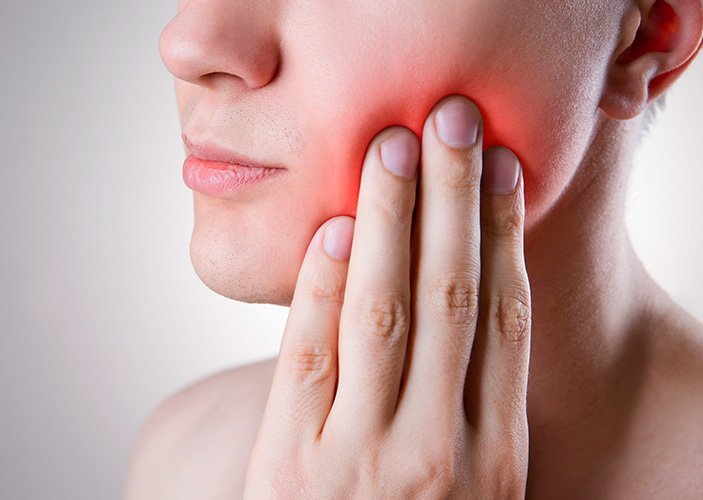
Applying a cold compress to the cheek near the sore spot can reduce swelling. It also helps numb mild discomfort temporarily.
Use it in short 10 to 15 minute sessions.
Gentle Brushing and Flossing
Continue brushing softly rather than avoiding the area entirely. Skipping oral care can allow plaque to build up further.
A soft-bristled brush prevents further irritation while still removing bacteria.
Over-the-Counter Relief
Numbing gels or oral pain relievers can offer short-term comfort. These are best used alongside, not instead of, proper hygiene.
Always follow the product’s usage instructions carefully.
When Should You See a Dentist?
See a dentist if pain lasts more than three days, or if you notice swelling, bleeding, or a bad taste. These are signs the issue may not resolve on its own.
A visible bump, pus, or fever alongside gum pain should be treated as urgent and evaluated quickly.
What Happens at a Dental Visit for Gum Pain
Your dentist will examine the painful area and ask about your symptoms and habits. They may take an X-ray to check for hidden infection near the tooth root.
Once the cause is identified, treatment may range from a simple cleaning to scaling, restoration adjustment, or an abscess drainage procedure.
Common Dental Treatments for Localized Gum Pain
| Treatment | Used For |
|---|---|
| Scaling and root planing | Gingivitis and plaque buildup below the gumline |
| Abscess drainage | Bacterial infection pockets |
| Root canal or extraction | Tooth abscess |
| Restoration adjustment | Ill-fitting crowns or fillings |
| Antimicrobial mouthwash | Reducing harmful oral bacteria |
| Nightguard | Grinding-related gum pressure |
Preventing Future Localized Gum Pain
Brush and Floss Consistently
Daily brushing and flossing remove the plaque that leads to gingivitis and abscesses. Focus on the gumline, not just the visible tooth surface.
Consistency matters more than intensity when it comes to gum health.
Choose the Right Toothbrush
A soft-bristled toothbrush cleans effectively without scratching or bruising gum tissue. Replace it every three months or sooner if bristles fray.
This simple switch prevents a large share of physical irritation cases.
Schedule Regular Dental Checkups
Routine cleanings catch small problems, like early gingivitis or a loose filling, before they cause pain. Most dentists recommend visits every six months.
Early detection is the most reliable way to avoid sudden localized pain.
Watch Your Diet
Limit sticky, sugary, or overly acidic foods that irritate sensitive gum tissue. Crunchy foods like chips and popcorn should be eaten carefully to avoid trapped debris.
A balanced diet also supports faster healing if irritation does occur.
Gum Pain in One Spot vs. General Gum Pain
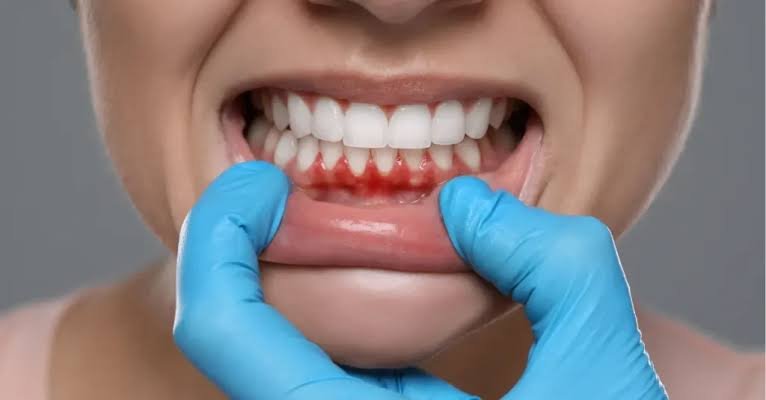

Localized pain usually points to a specific, identifiable cause, like trapped food or a single cavity. General gum pain across the whole mouth often relates to hormonal shifts, illness, or widespread gum disease.
Knowing the difference helps you and your dentist narrow down the right treatment faster.
Key Related Terms to Know
| Term | Meaning |
|---|---|
| Gingivitis | Early, reversible gum inflammation caused by plaque |
| Periodontitis | Advanced gum disease that can damage bone and tissue |
| Abscess | A localized pocket of infection and pus |
| Aphthous ulcer | The medical term for a canker sore |
| Gum recession | Gum tissue pulling back to expose the tooth root |
| Impacted tooth | A tooth unable to fully emerge through the gum |
Gum Pain by Location in the Mouth
Pain Near the Front Teeth
Front gum pain is often linked to trapped food, minor brushing injuries, or canker sores. This area is also common for irritation from flossing too aggressively.
Because front gums are easy to see, checking for redness or a visible sore is usually straightforward.
Pain Near the Back Molars
Back-of-mouth gum pain is frequently tied to wisdom teeth, impacted teeth, or a cracked molar. This area is harder to clean, making trapped food and plaque more likely.
Limited visibility back there means a dental exam is often needed to pinpoint the exact cause.
Pain Along the Gumline
Pain that follows the gumline closely often points to gingivitis or tartar buildup. This is the area most affected by inconsistent brushing.
Improving daily cleaning technique along the gumline usually brings noticeable relief within days.
Pain Near a Dental Restoration
Soreness right next to a crown, filling, or bracket usually means the restoration’s edge is irritating the tissue. This type of pain tends to be consistent and localized to that exact spot.
An adjustment appointment typically resolves this quickly.
Gum Pain in Children vs. Adults
Children often experience one-spot gum pain from teething, minor injuries during play, or early cavities. Their gum tissue is generally more sensitive to irritation than adult tissue.
Adults more commonly experience localized pain from gum recession, restorations, or early periodontal disease linked to years of plaque exposure.
| Age Group | Common Cause | Typical First Step |
|---|---|---|
| Children | Teething, minor injury, early cavity | Gentle rinse, pediatric dental check |
| Teens | Wisdom teeth, orthodontic irritation | Orthodontist or dentist visit |
| Adults | Recession, restorations, gum disease | Dental exam and cleaning |
| Older adults | Dry mouth, long-term recession | Dentist evaluation, hydration support |
Myths About Gum Pain in One Spot
Myth: It Will Always Go Away on Its Own
While many minor cases do resolve, infections and abscesses do not heal without treatment. Waiting too long can allow the problem to spread.
Myth: Harder Brushing Cleans Better
Brushing harder often causes the very injury that creates localized pain in the first place. Gentle, consistent brushing is more effective and safer.
Myth: Gum Pain Only Means Gum Disease
Many causes, like trapped food or a canker sore, have nothing to do with gum disease at all. Location and duration of pain matter more than assumptions.
Myth: Painkillers Alone Solve the Problem
Over-the-counter pain relief only masks discomfort temporarily. The underlying cause, such as an infection, still needs proper treatment.
Foods That Can Trigger or Worsen Localized Gum Pain
| Food Type | Why It Can Cause Pain |
|---|---|
| Popcorn and seeds | Hulls easily lodge near the gumline |
| Citrus fruits | Acidity can irritate ulcers or sensitive spots |
| Spicy foods | Can intensify pain from canker sores |
| Sticky candies | Cling to teeth and gums, trapping bacteria |
| Very hot or cold foods | Can trigger sensitivity near exposed roots |
Simple Daily Checklist for Healthy Gums
Brushing twice daily with a soft-bristled brush is the foundation of gum health. Pair this with daily flossing to remove debris brushing alone can’t reach.
Add a rinse with an antimicrobial or salt water solution if you notice any early soreness. Finish with a six-month dental checkup to catch problems before they cause pain.
Final Thoughts Before Seeing a Dentist
Tracking when the pain started, what you were eating, and whether it’s improving or worsening helps your dentist diagnose faster. Take note of any swelling, bleeding, or bad taste as well.
Bringing this information to your appointment often shortens the time it takes to identify and treat the exact cause.
Frequently Asked Questions (FAQs)
1. Why does my gum hurt in one spot but not the rest of my mouth?
Localized pain usually means something specific is irritating that exact area. Common causes include trapped food, a small injury, or early infection.
2. How long does gum pain in one spot usually last?
Minor irritation often resolves in one to two days with gentle care. Pain lasting longer than three days may need dental evaluation.
3. Should I avoid brushing if my gum hurts?
No, continue brushing gently with a soft-bristled toothbrush. Avoiding brushing entirely can let plaque build up and worsen the issue.
4. Can stress cause gum pain in one spot?
Yes, indirectly. Stress can weaken your immune system and lead to teeth grinding, both of which can trigger localized gum soreness.
5. When should I see a dentist for gum pain?
See a dentist if pain lasts more than three days or comes with swelling, bleeding, or a bad taste. These signs often point to infection.
6. Can a canker sore cause pain in one gum spot?
Yes, canker sores create sharp, localized pain on the gum tissue. They usually heal on their own within one to two weeks.
7. Is a bump on my gum with pain always an abscess?
Not always, but a painful bump is a common sign of a gum or tooth abscess. It should be checked by a dentist promptly.
8. Can a wisdom tooth cause pain in just one spot?
Yes, an erupting or impacted wisdom tooth often causes very localized pain and swelling. This is common in the back corners of the mouth.
9. Does an ill-fitting filling cause localized gum pain?
Yes, a rough or loose filling can rub against nearby gum tissue. This creates ongoing soreness until the restoration is adjusted.
10. Can I treat gum pain in one spot at home?
Mild cases often respond well to salt water rinses, cold compresses, and gentle brushing. Persistent or worsening pain still requires professional care.
Conclusion
Why does my gum hurt in one spot usually comes down to a handful of common causes: trapped food, minor irritation, a canker sore, gingivitis, or in more serious cases, an abscess. Most localized pain improves within a couple of days with gentle brushing, salt water rinses, and a little patience.
However, pain that lingers past three days, worsens, or comes with swelling, a bump, or a bad taste is a signal to see a dentist rather than wait it out.
Paying attention to exactly where the pain is and how it changes over time gives your dentist valuable clues for a fast, accurate diagnosis. With consistent oral hygiene, the right toothbrush, and regular checkups, most causes of localized gum pain are easy to prevent or catch early before they become bigger problems.