

Why does my crown hurt when I put pressure on it is one of the most common dental questions patients ask, and the answer is almost never just one thing. A dental crown is designed to protect a damaged tooth, restore normal function, and eliminate discomfort — not create it.
When pressure causes pain on a crowned tooth, something beneath or around that crown needs attention. The pain may be sharp, dull, throbbing, or intermittent, and it can appear right after crown placement or months later.
What Is a Dental Crown and How Does It Work?
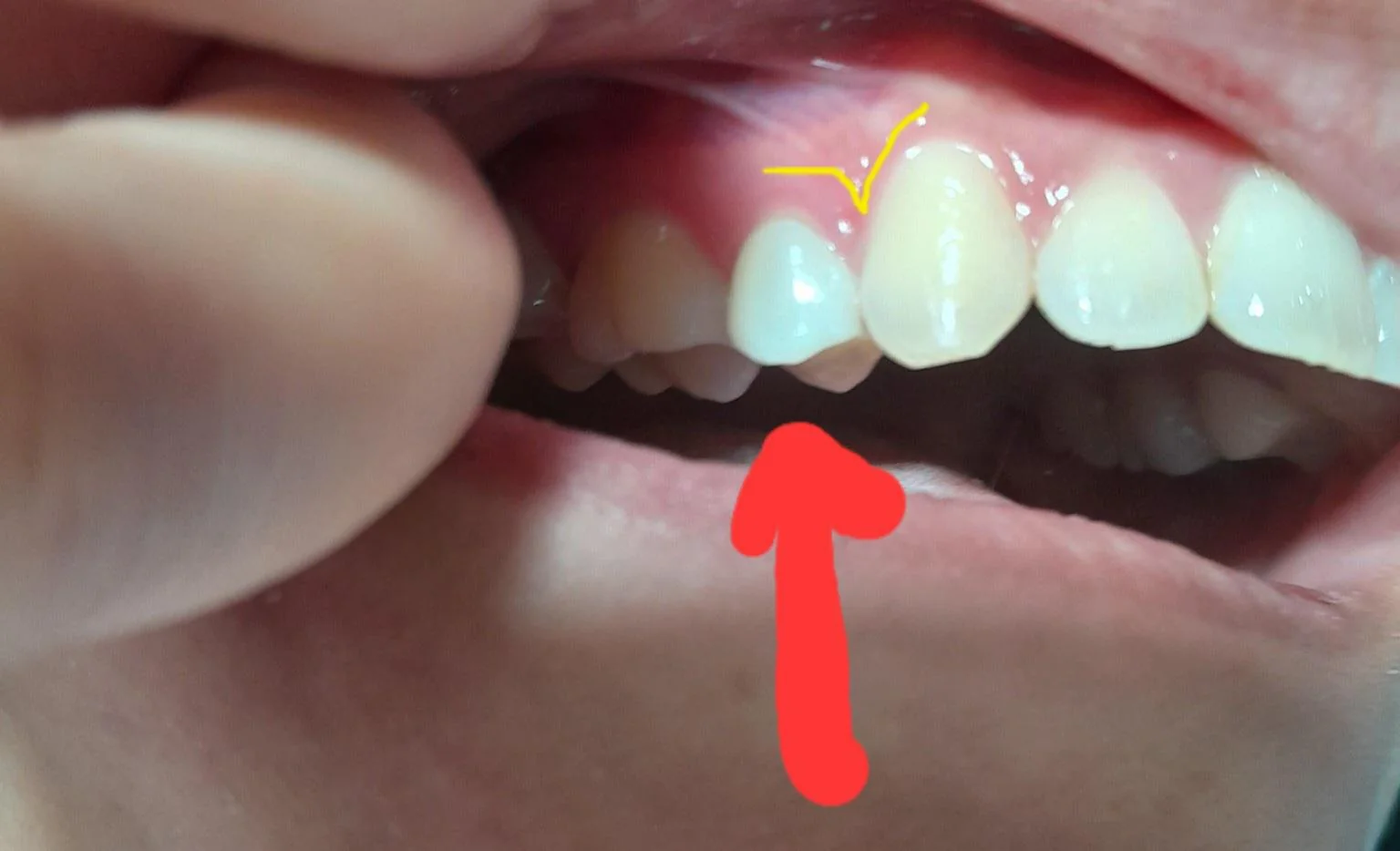

A dental crown is a custom-made cap placed over the visible portion of a damaged or weakened tooth.
It is cemented permanently into position and designed to restore the tooth’s shape, size, strength, and function. Crowns are made from several materials including porcelain, ceramic, zirconia, porcelain-fused-to-metal, and full metal alloys.
You may need a crown after a root canal, to protect a tooth with a large cavity that is too damaged for a filling, to cover a cracked or fractured tooth, or to anchor a dental bridge.
Why Crown Pain Under Pressure Is Significant
The crown itself is artificial and cannot feel pain. But the tooth beneath it, the gum tissue surrounding it, and the ligament holding the tooth root in the jaw bone are all alive and capable of generating pain signals.
When you apply pressure by biting, chewing, or pressing on the crown, that force travels through the crown and into the tooth structure, surrounding ligament, and bone. If anything in that system is inflamed, infected, misaligned, or damaged, you will feel it.
Crown pain under pressure is your body signaling that something is wrong and needs to be evaluated.
Normal Sensitivity vs. Concerning Crown Pain
Not all pain after a crown is alarming. Understanding the difference between normal post-procedure sensitivity and a genuine problem is the first important step.
| Type of Discomfort | Duration | Action Needed |
|---|---|---|
| Mild soreness after new crown | 3 to 7 days | Monitor at home |
| Temperature sensitivity (hot/cold) | Up to 2 weeks | Normal if improving |
| Pressure sensitivity that fades quickly | First 1 to 2 weeks | Normal if decreasing |
| Sharp pain when biting that persists | Beyond 1 week | See dentist |
| Throbbing pain that does not improve | Any duration | See dentist promptly |
| Swelling or pus near the crown | Any duration | Emergency dental visit |
| Fever alongside crown pain | Any duration | Emergency dental visit |
| Crown pain appearing months or years later | N/A | See dentist |
If your crown pain is getting worse rather than better, it is not part of normal healing.
Top Causes of Crown Pain Under Pressure
Cause 1 — High Bite or Crown That Is Too Tall
This is the single most common cause of crown pain when pressure is applied.
When a crown is placed, it must align perfectly with all surrounding and opposing teeth. Even a fraction of a millimeter difference in height causes that one crowned tooth to hit before everything else when you close your mouth or chew. All the force of every bite is concentrated on that single tooth.
The periodontal ligament — the thin cushioning tissue that connects the tooth root to the jaw bone — takes the full impact of every bite. This ligament becomes inflamed, bruised, and sore. The pain typically feels like a deep ache or tenderness that worsens when eating.
Signs the bite is too high:
- Pain or soreness specifically when biting or chewing
- The crowned tooth feels like it hits first before other teeth
- Jaw muscle soreness from compensating with your bite
- Discomfort that is worse at mealtimes and improves when resting
Fix: A bite adjustment is fast, painless, and usually done in a single short appointment. Your dentist uses articulating paper — a thin carbon paper — to identify exactly where the high spot is, then reshapes the crown surface with a drill until the bite is even. Most patients feel relief immediately or within a day or two.
Cause 2 — Nerve Irritation or Pulpitis
Even when a crown is placed over a tooth that has not had a root canal, the nerve inside the tooth is still alive.
Drilling and shaping the tooth during crown preparation can irritate or inflame the dental pulp — the living tissue inside the tooth containing the nerve and blood vessels. This inflammation is called pulpitis.
Reversible pulpitis means the nerve is irritated but can recover on its own with time. You may feel sensitivity to pressure, heat, or cold that gradually improves over several weeks.
Irreversible pulpitis means the inflammation has progressed too far for the nerve to recover. The pain becomes persistent, throbbing, and severe, and a root canal is typically required to resolve it.
Signs of nerve irritation under the crown:
- Sharp, deep pain when biting or applying pressure
- Lingering sensitivity to hot or cold that lasts more than 10 seconds
- Spontaneous throbbing pain even without biting
- Pain that wakes you at night
Fix: Mild reversible pulpitis often resolves without treatment. Irreversible pulpitis requires root canal therapy to remove the inflamed or infected pulp tissue. After a root canal, the crown usually remains in place as protection for the now non-vital tooth.
Cause 3 — Tooth Decay Under the Crown
A common misconception is that a crowned tooth cannot develop decay. It can.
The crown material itself does not decay, but the natural tooth structure beneath it does. Bacteria can penetrate the seal between the crown and the tooth at the margin — the edge where the crown meets the tooth near the gumline. Once bacteria get underneath, decay develops on the natural tooth structure.
If that decay reaches the nerve, it causes significant pain under pressure, sensitivity to temperature, and eventually an abscess if untreated.
Signs of decay under a crown:
- Pain when applying pressure that develops slowly over time
- Temperature sensitivity that was not present before
- Visible discoloration or darkening at the crown margin
- A bad taste or odor coming from the area
Fix: Small areas of decay at the margin may sometimes be repaired without removing the crown. However, if the decay is extensive, the crown must be removed, the decay excavated, and a new crown fabricated. If the decay has reached the nerve, a root canal is required first.
Cause 4 — Infection or Tooth Abscess


An abscess is a pocket of bacterial infection that develops when decay or nerve damage is left untreated.
The infection can originate from decay that has reached the pulp, from a cracked root that allows bacteria to enter, from incomplete removal of infected tissue during a previous root canal, or from bacteria that penetrated under a leaking crown margin.
An abscessed tooth under a crown is a serious dental emergency. The infection can spread to the jaw bone, surrounding teeth, soft tissues of the face, and in rare severe cases, to critical structures of the head and neck.
Signs of a tooth abscess:
- Severe, throbbing, persistent pain
- Swelling of the gum tissue near the crown
- A pimple-like bump (called a fistula) on the gum that may drain pus
- Bad taste or odor in the mouth
- Fever, swollen lymph nodes, or facial swelling
- Pain that radiates to the jaw, ear, or neck
Fix: Antibiotic treatment manages the infection temporarily, but does not resolve the source. The actual treatment is either root canal therapy to clear the infection and save the tooth, or extraction if the tooth cannot be saved. Do not delay treatment — dental infections can become life-threatening.
Cause 5 — Cracked Tooth or Fractured Crown
A crack in the tooth underneath the crown or a fracture in the crown itself can cause significant pain when pressure is applied.
Cracked tooth syndrome produces a very characteristic type of pain — a sharp, sudden pain that happens specifically when you bite down in a certain position or release pressure after biting. The crack flexes under load, irritating the pulp and surrounding tissue.
Crowns themselves can also chip or crack, particularly if you bite hard foods, grind your teeth, or sustain an impact to the face. A cracked crown may expose the underlying tooth structure and create sharp edges that damage the tongue or cheek.
Signs of a cracked tooth under a crown:
- Sharp pain that happens when biting in a specific position
- Pain that occurs when releasing pressure, not just applying it
- Sensitivity to cold or sweet foods
- A crack or chip visible in the crown material
- The crown feels rough or has a sharp edge
Fix: The treatment depends on how deep and extensive the crack is. A small crack may be managed with root canal therapy followed by crown replacement. A crack that extends below the gumline or through the root usually requires extraction. A chipped or fractured crown needs to be repaired or replaced.
Cause 6 — Loose or Poorly Cemented Crown
A crown that is not securely cemented can shift slightly every time you bite.
That movement irritates the tooth underneath, inflames the surrounding gum tissue, and creates microscopic gaps where bacteria, saliva, and food particles can enter. Over time, this leads to decay, gum disease, or infection under the crown.
A loose crown may also produce a clicking sound when biting or a subtle movement you can feel with your tongue.
Signs of a loose or poorly fitted crown:
- Crown moves or shifts when you bite
- Clicking or rocking sensation on the tooth
- Persistent bad taste or odor from the crowned tooth
- Pain that is worse when biting in different directions
- Gum irritation or inflammation directly around the crown margins
Fix: A loose crown must be seen promptly. Your dentist will remove the crown, clean both the tooth and the crown, check for any decay, and recement it with fresh dental cement. If the crown no longer fits well due to changes in the tooth, a new crown may need to be fabricated.
Cause 7 — Bruxism (Teeth Grinding and Clenching)
Bruxism is the habit of grinding or clenching the teeth, usually during sleep but sometimes during the day as well.
The pressure generated by bruxism is far greater than normal chewing force. This repeated excessive force stresses the crown, the underlying tooth, the periodontal ligament, and the jaw joint. Over time, bruxism can crack crowns, wear them down prematurely, cause jaw soreness, and make the crowned tooth chronically sensitive to pressure.
People who grind their teeth are often unaware they are doing it. A partner may notice the grinding sound at night, or a dentist may observe wear patterns on the teeth during a routine exam.
Signs bruxism is causing crown pain:
- Crown pain that is worse in the morning after waking
- Jaw muscle soreness or stiffness on waking
- Headaches, particularly at the temples
- Visible wear or flattening of the crown surface
- Other teeth also feel sore or sensitive
Fix: A custom-fitted nightguard — a thin, durable oral appliance worn during sleep — cushions the teeth and distributes grinding forces evenly. This protects the crown from further damage and significantly reduces pressure-related pain. Stress management, biofeedback, and in some cases Botox injections into the jaw muscles are also used to reduce bruxism severity.
Cause 8 — Gum Recession Around the Crown
Gum recession exposes the root surface of the tooth below the crown margin.
The root surface does not have enamel covering it like the crown of the tooth does. It is highly sensitive to pressure, temperature, touch, and air exposure. When recession exposes root structure beneath or around a crown, even light contact causes significant discomfort.
Gum recession can be caused by aggressive toothbrushing, gum disease (periodontitis), an ill-fitting crown that traps bacteria at the gumline, or simply by the natural aging process.
Signs of gum recession around a crown:
- Sensitivity to cold, touch, or pressure near the gumline
- The crown looks like it is getting longer or taller over time
- Visible root surface visible below the crown edge
- Gum tissue looks red, puffy, or pulls away from the crown
Fix: Good oral hygiene prevents further recession. A soft-bristled toothbrush and gentle technique reduce trauma. Your dentist may recommend desensitizing toothpaste for temporary relief. Severe recession may require a gum graft procedure to cover exposed root surfaces and protect the tooth.
Cause 9 — Crown Material Allergy or Sensitivity

Some patients develop sensitivity or an allergic reaction to the materials used in certain types of crowns.
Older porcelain-fused-to-metal crowns contain metal alloys, some of which include nickel, cobalt, or other metals that can trigger immune responses in sensitive individuals. Symptoms may include persistent gum inflammation, soreness, a metallic taste, or oral discomfort that does not resolve with standard treatment.
Modern all-ceramic, zirconia, and all-porcelain crowns are considered highly biocompatible and are far less likely to cause material sensitivity reactions.
Fix: If a material reaction is suspected, your dentist may recommend replacing the existing crown with a biocompatible material. Your medical history and any known metal allergies should always be discussed before crown material is selected.
Cause 10 — Gum Inflammation (Gingivitis/Periodontitis)
Inflamed or infected gum tissue around the crown can cause pressure sensitivity that feels like it is coming from the tooth itself.
Food particles and bacteria can become trapped beneath crown margins, especially if the crown does not fit flush with the gumline. This causes localized gum inflammation or infection. If the inflammation progresses to periodontitis, bone loss can develop around the crowned tooth, destabilizing the entire root and making any bite pressure painful.
Signs of gum inflammation around a crown:
- Gum tissue that is red, swollen, or bleeds when brushed
- Soreness around the crown margin rather than deep within the tooth
- Food getting stuck under the crown edges
- Bad breath or persistent bad taste from the area
Fix: Professional cleaning to remove plaque and calculus from around the crown margins. Improved oral hygiene technique. If periodontitis is present, scaling and root planing or other periodontal treatments may be required. In some cases, the crown margin needs to be adjusted or the crown replaced to eliminate the bacteria trap.
When Is Crown Pain Normal vs. When to Call Your Dentist
| Symptom | Normal? | What to Do |
|---|---|---|
| Mild soreness for 3–7 days after new crown | Yes | Monitor, use OTC pain reliever |
| Temperature sensitivity up to 2 weeks | Yes if improving | Monitor |
| Bite feels slightly off for a few days | Yes | Should self-correct or see dentist if persistent |
| Sharp pain when biting beyond 1 week | No | See dentist |
| Throbbing pain at rest | No | See dentist promptly |
| Swelling or pus near crown | No | Emergency dental visit |
| Fever alongside crown pain | No | Emergency — may indicate spreading infection |
| Crown feels loose or moves | No | See dentist quickly |
| Pain that wakes you at night | No | See dentist |
| Crown pain after months or years | No | See dentist |
How Your Dentist Diagnoses Crown Pain
When you visit a dentist about crown pain under pressure, they use several diagnostic tools to identify the exact cause.
Clinical examination: Your dentist will visually inspect the crown, gumline, and surrounding teeth. They will look for crown chips or cracks, gum recession, swelling, or signs of decay at the margins.
Bite test: Articulating paper placed between the teeth when you bite identifies exactly where the crown contacts the opposing tooth. High spots show up as marks on the paper.
X-rays (dental radiographs): X-rays reveal decay under the crown, infection at the root tip, bone loss around the root, and any fractures or gaps that are not visible to the naked eye.
Percussion test: Tapping gently on the crown with a dental instrument identifies whether pain originates from within the tooth or from the periodontal ligament around the root.
Temperature testing: Applying cold or heat stimulus to the crown or adjacent tooth helps determine whether the nerve inside is alive, inflamed, or non-responsive.
Bite stick test: Biting down on a small wooden or plastic stick in different positions identifies whether a crack in the tooth is causing the pressure pain.
Treatment Options for Crown Pain Under Pressure
| Cause | Treatment | Time to Resolution |
|---|---|---|
| High bite | Bite adjustment (quick in-office procedure) | Days |
| Reversible pulpitis | Monitor and wait, anti-inflammatory medication | Weeks |
| Irreversible pulpitis | Root canal therapy | 1 to 2 appointments |
| Tooth abscess | Root canal or extraction + antibiotics | Varies |
| Decay under crown | Crown removal, cavity treatment, new crown | Multiple appointments |
| Loose crown | Recementation or new crown | 1 appointment |
| Cracked tooth | Root canal + crown replacement or extraction | Multiple appointments |
| Bruxism | Custom nightguard | Ongoing protection |
| Gum recession | Desensitizing products, possible gum graft | Weeks to months |
| Crown material allergy | Replace crown with biocompatible material | Multiple appointments |
| Gum inflammation | Professional cleaning, improved hygiene | Weeks |
Home Remedies for Temporary Crown Pain Relief


These strategies provide temporary relief while you wait for a dental appointment. They do not treat the underlying cause.
Warm saltwater rinse: Dissolve half a teaspoon of salt in a glass of warm water. Rinse gently around the crowned tooth for 30 seconds. This reduces gum inflammation and kills surface bacteria. Repeat two to three times a day.
Cold compress: Apply an ice pack wrapped in a cloth to the outside of your cheek for 15 to 20 minutes at a time. This reduces swelling and numbs the area.
Over-the-counter pain relievers: Ibuprofen (an anti-inflammatory) is particularly effective for dental pain because it addresses both pain and inflammation. Acetaminophen can also be used if ibuprofen is not appropriate for you.
Clove oil: Eugenol, the active compound in clove oil, has natural numbing properties. Apply a tiny amount to the gum tissue around the crown with a cotton swab for temporary relief.
Avoid triggers: Stay away from hard, crunchy, sticky, very hot, or very cold foods until the cause has been identified and treated.
Do not ignore it: Home remedies only mask symptoms. If crown pain under pressure persists for more than a week or is accompanied by swelling, fever, or spreading pain, you need professional care urgently.
How to Prevent Crown Pain Under Pressure
Preventing crown pain starts before and during the crown placement process — but good habits after placement matter just as much.
Communicate with your dentist: Tell your dentist immediately if the bite feels off after crown placement. A bite that feels even slightly high should be adjusted before you leave the office.
Maintain excellent oral hygiene: Brush twice daily and floss once daily, including around the crown margins where the crown meets the gum. A water flosser is particularly effective for cleaning around crowns.
Wear a nightguard if you grind: If your dentist has identified bruxism or you know you clench, a custom nightguard protects the crown and prevents pressure-related damage during sleep.
Avoid damaging foods and habits: Do not chew ice, hard candies, or very hard foods on the crowned tooth. Avoid using your teeth to open packaging or bite your nails. These habits put excessive stress on the crown and can cause fractures.
Attend regular checkups: Routine dental exams allow your dentist to monitor the crown’s fit and condition, check for early signs of decay at the margins, and identify any changes in bite alignment before they cause pain.
Use desensitizing toothpaste: If you have mild sensitivity after a new crown, toothpaste containing potassium nitrate or stannous fluoride can help manage nerve sensitivity during the adjustment period.
Frequently Asked Questions (FAQs)
Why does my crown hurt when I put pressure on it?
The most common causes are a high bite, nerve irritation, infection or abscess, decay under the crown, a cracked tooth, or a loose crown. A dentist can identify the specific cause with an exam and X-rays.
Is it normal for a crown to be sensitive to pressure right after placement?
Yes. Mild pressure sensitivity for the first three to seven days after crown placement is normal as the tooth and surrounding tissue adjust. Pain that persists beyond one week or worsens should be evaluated by your dentist.
Can a crowned tooth get an abscess?
Yes. A crowned tooth can develop an abscess if bacteria enter through a leaking crown margin, if decay reaches the nerve, or if a previous infection was not fully resolved. An abscess causes severe throbbing pain, swelling, and sometimes fever.
Do I need a root canal if my crown hurts under pressure?
Not necessarily. Pain under a crown may be caused by a high bite (which only requires a bite adjustment), gum inflammation, a loose crown, or mild nerve sensitivity. Root canal therapy is only needed when the nerve is severely inflamed or infected.
How long should a crown feel sensitive after placement?
Mild sensitivity typically lasts three to seven days. Some patients experience temperature sensitivity for up to two weeks. If discomfort continues beyond two weeks, is getting worse, or includes throbbing pain at rest, see your dentist.
Can bruxism damage my dental crown?
Yes. Grinding or clenching teeth generates forces far greater than normal chewing. Over time this can crack, chip, or wear down a crown and cause persistent pressure sensitivity in the crowned tooth. A custom nightguard is the recommended solution.
Why does my crown hurt years after it was placed?
Crown pain developing months or years after placement usually indicates new problems such as decay forming under the crown, gum recession exposing the root, changes in bite alignment, a developing crack in the tooth, or a failed crown seal allowing bacteria to enter.
What does crown pain from an infection feel like?
Infection-related crown pain is typically severe, throbbing, and persistent. It may radiate to the jaw, ear, or neck. Other signs include swelling of the gum, a bump that drains pus, fever, and a bad taste in the mouth. This requires urgent dental care.
Can a loose crown cause pain when I bite down?
Yes. A loose crown shifts slightly under biting pressure, irritating the tooth and gum tissue beneath. It also allows bacteria to enter under the crown, leading to decay or infection. A loose crown should be evaluated and recemented promptly.
What home remedies help with crown pain while I wait for a dental appointment?
Warm saltwater rinses, cold compresses on the cheek, over-the-counter ibuprofen, and clove oil applied to the gum area all provide temporary relief. Avoid hard, sticky, or temperature-extreme foods and see your dentist as soon as possible.
Conclusion
Why does my crown hurt when I put pressure on it is a question that always deserves a professional answer, not just a wait-and-see approach. The crown itself cannot feel pain, but the tooth beneath it, the nerves inside, the gum tissue surrounding it, and the periodontal ligament holding the root are all alive and responsive to problems.
Crown pain under pressure in 2026 is most commonly caused by a high bite that needs a simple adjustment, nerve irritation that may resolve on its own or require a root canal, infection or abscess demanding urgent care, decay forming underneath, a cracked tooth, a loose crown, or the chronic damage of bruxism.
The good news is that almost every cause of crown pain under pressure has a clear, effective treatment. Most cases are resolved with a quick bite adjustment, a root canal, or proper recementation. The key is acting early.
Pain that persists beyond one week, worsens over time, or arrives with swelling and fever is telling you that the underlying problem is progressing. The sooner you see your dentist, the more options you have — and the lower the cost and complexity of the fix. Do not let crown pain become a bigger dental emergency than it needs to be.