

Why do you need long-term coping skills if you already get through most hard days somehow? Because getting through today is not the same as being ready for tomorrow.
Short-term tricks like a deep breath or a quick walk help in the moment. But they fade fast and the stress often comes right back.
Long-term coping skills work differently. They train your mind and body to handle stress, setbacks, and emotional pain again and again, without burning you out.
In this guide, you will learn exactly why long-term coping skills matter, the 9 key benefits they offer, and how to start building them in 2026.
What Are Long-Term Coping Skills?

Long-term coping skills are habits and strategies you practice consistently to manage stress over weeks, months, or years.
Unlike quick fixes, they do not just numb a hard moment. They change how your brain and body respond to stress in general.
Examples include therapy, regular exercise, journaling, mindfulness, and building a strong support system.
These skills work slowly at first. But over time, they create lasting emotional stability instead of temporary relief.
Think of them as an internal toolkit you build piece by piece. Each tool strengthens your ability to face the next challenge with more confidence.
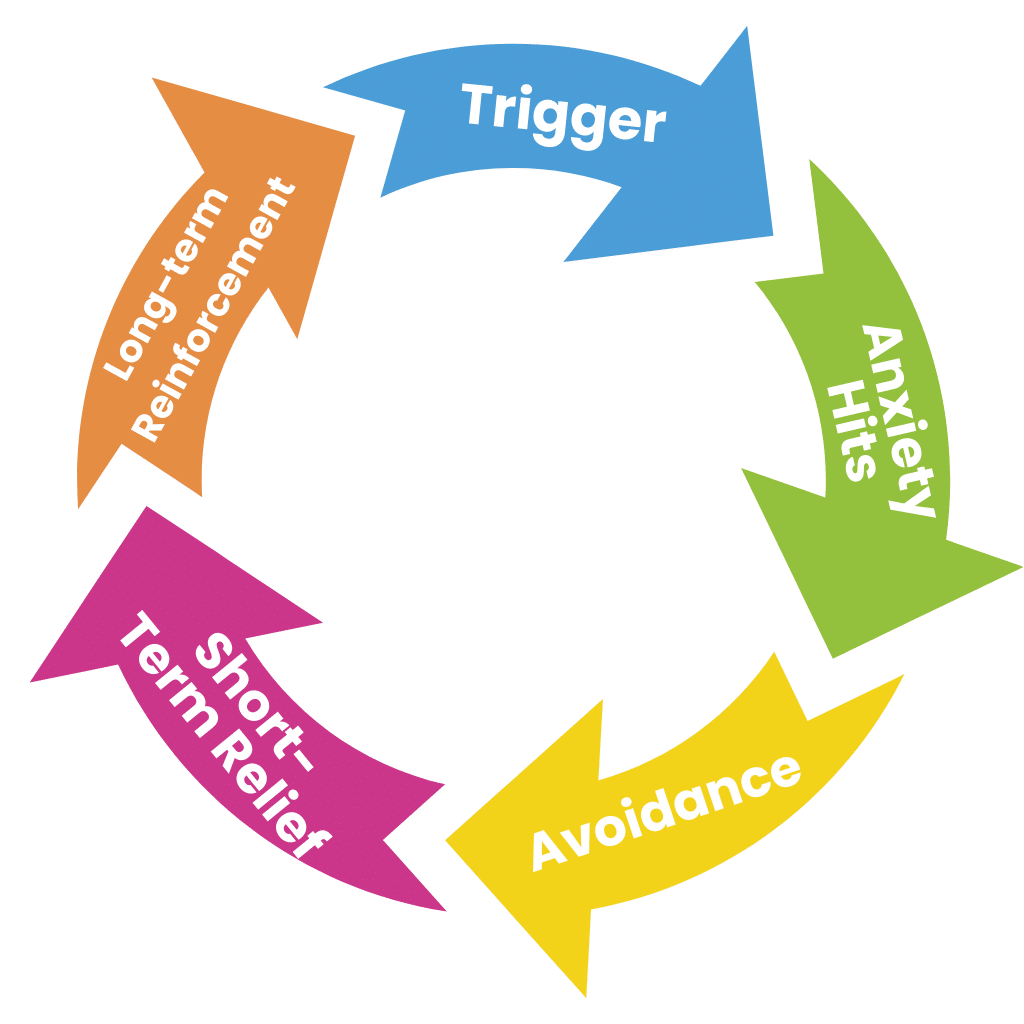
Unlike avoidance behaviors, long-term coping skills never make a problem worse. They build you up instead of patching over the issue temporarily.
The Science Behind Long-Term Coping Skills
When you experience stress, your body releases cortisol and adrenaline to prepare for a perceived threat.
If this stress response cycle never gets completed, those chemicals can build up inside the body.
Long-term coping skills, like exercise, deep breathing, and emotional expression, help your body actually finish that stress cycle.
Over time, repeated practice also strengthens new neural pathways linked to calm and regulated responses.
This is why people who practice these skills consistently recover from stress faster than those who do not.
Their brain and body have literally been trained to handle pressure more efficiently.
Short-Term vs Long-Term Coping Skills
People often confuse the two, but they serve very different purposes.
Short-term skills are like a bandage. Long-term skills are like physical therapy that heals the actual injury.
| Aspect | Short-Term Coping Skills | Long-Term Coping Skills |
|---|---|---|
| Main goal | Immediate relief | Lasting change |
| Speed of results | Instant | Gradual, over weeks or months |
| Example | Deep breathing, calling a friend | Therapy, exercise routine, journaling |
| Effect on root cause | Does not address it | Works to resolve it |
| Best used for | Sudden stress or panic | Ongoing or repeated stress |
| Risk if overused | Can become avoidance | Very low |
Both types matter. But relying only on short-term coping skills leaves the real problem untouched.
Why Do You Need Long-Term Coping Skills in 2026?
Daily life in 2026 comes with constant digital noise, work pressure, and information overload.
Quick fixes simply cannot keep up with stress that repeats every single day.
This is exactly why you need long-term coping skills. They give you a stable foundation that does not collapse under repeated pressure.
Instead of starting from zero every time stress hits, you respond from a place of practiced calm and clarity.
Modern stressors like constant notifications, remote work boundaries blurring into personal time, and economic uncertainty all demand sustainable coping, not just quick fixes.
This is exactly why building long-term coping skills now matters more than waiting until burnout forces the issue.
Coping Mechanisms vs Coping Skills: Is There a Difference?
These terms are often used interchangeably, but there is a subtle difference worth understanding.
A coping mechanism is any behavior used to manage stress, whether it is healthy or not. Scrolling, avoidance, and substance use all count as coping mechanisms.
A coping skill, especially a long-term one, is specifically a healthy, intentional strategy that supports your well-being over time.
In other words, every coping skill is a coping mechanism, but not every coping mechanism qualifies as a healthy coping skill.
Understanding this difference helps you evaluate your current habits honestly, instead of assuming everything you do to feel better is automatically good for you.
Who Needs Long-Term Coping Skills the Most?
Almost everyone benefits, but some groups need them more urgently.
This includes people recovering from addiction, those managing anxiety or depression, students under academic pressure, and caregivers facing daily burnout.
Anyone going through a major life transition, like a divorce, job loss, or grief, also needs these skills.
If stress in your life is ongoing rather than occasional, long-term coping skills are not optional. They are essential.
Long-Term Coping Skills Across Different Areas of Life
Stress does not show up the same way in every part of life. That means coping skills often need to be applied differently depending on the situation.
| Life Area | Common Stressor | Helpful Long-Term Coping Skill |
|---|---|---|
| Work | Deadlines, workload pressure | Time management, boundary setting |
| Relationships | Conflict, miscommunication | Active listening, calm communication |
| Parenting | Exhaustion, constant demands | Scheduled self-care, support networks |
| Recovery | Triggers, cravings | Therapy, structured routines |
| Academics | Exam pressure, comparison | Study planning, mindfulness practice |
Notice that the underlying skill often stays similar even when the stressor changes completely.
This is one of the biggest advantages of long-term coping skills. Once built, they transfer across nearly every area of your life.
Coping Skills and Specific Mental Health Conditions


Long-term coping skills are especially valuable for people managing diagnosed mental health conditions.
For anxiety disorders, skills like grounding techniques and cognitive restructuring help reduce the frequency of panic responses.
Depression, consistent routines, movement, and social connection help counter low motivation and isolation.
For PTSD or trauma-related stress, professionally guided coping strategies help process triggers safely instead of suppressing them.
These skills are not a replacement for professional treatment. But they work powerfully alongside therapy and, when recommended, medication.
9 Key Benefits of Long-Term Coping Skills
Here are the 9 core benefits that explain why long-term coping skills are worth the effort.
1. Builds Long-Lasting Resilience
Resilience is your ability to bounce back after setbacks instead of staying stuck in them.
Long-term coping skills train your brain to recover from stress faster over time.
Each time you practice them, your nervous system strengthens its ability to handle the next challenge.
This means future problems feel less overwhelming, even if they are just as difficult.
People with strong resilience also recover faster from major life setbacks, like job loss or relationship breakdowns.
2. Improves Emotional Regulation and Stability
Emotional regulation is the ability to feel strong emotions without being controlled by them.
Long-term coping skills help you sit with anger, sadness, or fear instead of reacting impulsively.
Over time, this creates emotional stability that short-term distraction methods simply cannot offer.
You start responding to life rather than constantly reacting to it.
This shift alone reduces impulsive decisions made during moments of high stress or anger.
3. Reduces the Health Risks of Chronic Stress
Unmanaged stress does not just disappear. It builds up in your body over time.
This buildup is linked to high blood pressure, disrupted sleep, weakened immunity, and chronic fatigue.
Long-term coping skills help complete the body’s stress response cycle properly.
This protects your physical health, not just your mental and emotional well-being.
Many people only notice this connection once physical symptoms, like frequent headaches or poor sleep, start improving.
4. Strengthens Problem-Solving Skills
Short-term coping reacts to emotions. Long-term coping skills push you toward actual solutions.
Instead of just calming down about an issue, you learn to confront and resolve it.
For example, instead of avoiding a stressful workload, you create a structured plan to manage it.
This habit of solving problems instead of avoiding them carries into every part of life.
It also reduces the mental fatigue that comes from carrying around unresolved worries for too long.
5. Protects You From Burnout
Burnout happens when stress accumulates faster than you can recover from it.
Long-term coping skills create regular recovery points before exhaustion sets in.
This includes healthy sleep routines, boundaries at work, and consistent self-care habits.
People with strong long-term coping skills recharge proactively instead of crashing reactively.
This is especially valuable for caregivers, healthcare workers, and anyone in a high-demand role.
6. Strengthens Relationships and Communication
How you cope with stress directly affects the people around you.
Long-term coping skills improve patience, active listening, and healthy conflict resolution.
Instead of snapping under pressure, you communicate needs clearly and calmly.
This builds trust and makes relationships, both personal and professional, noticeably stronger.
Over time, people around you also start to feel safer being open and honest with you.
7. Lowers the Risk of Anxiety and Depression
Chronic, unmanaged stress is one of the biggest contributors to anxiety and depressive symptoms.
Long-term coping skills like mindfulness and cognitive behavioral techniques target unhealthy thought patterns directly.
By addressing root causes instead of just symptoms, these skills reduce the frequency and intensity of mental health struggles.
This is one of the most important reasons therapists recommend building them early.
Catching unhealthy thought patterns early often prevents them from developing into more serious conditions later.
8. Supports Long-Term Recovery and Prevents Relapse
This benefit is especially critical for people recovering from addiction or trauma.
Triggers and cravings do not disappear once detox or crisis mode ends.
Long-term coping skills act as a safety net, helping you respond to triggers without falling back into old patterns.
Without them, the risk of relapse increases significantly during stressful periods.
This is why long-term coping skills are often called the safety net of any recovery journey.
9. Improves Self-Esteem and Overall Quality of Life
Every time you successfully manage a hard situation, your confidence in yourself grows.
Long-term coping skills create a track record of resilience you can rely on.
This builds genuine self-esteem, not temporary confidence that fades when stress returns.
Over time, this leads to a more balanced, fulfilling, and peaceful life overall.
This benefit often becomes the most rewarding one, since it touches every other area of your life at once.
Examples of Long-Term Coping Skills You Can Start Today


You do not need to master all of these at once. Pick one or two and build from there.
| Long-Term Coping Skill | What It Helps With |
|---|---|
| Cognitive Behavioral Therapy (CBT) | Negative thought patterns |
| Regular physical exercise | Stress hormones and mood |
| Mindfulness or meditation | Emotional regulation |
| Journaling | Processing difficult emotions |
| Building a support network | Loneliness and isolation |
| Consistent sleep routine | Physical and mental recovery |
| Balanced nutrition | Energy and mood stability |
| Setting healthy boundaries | Burnout prevention |
Notice these are habits, not one-time fixes. Consistency is what makes them effective.
You do not need access to every option on this list. Even mastering two or three of these consistently can noticeably change how you handle stress.
Many people find it helpful to combine a physical skill, like exercise, with a reflective one, like journaling, for a more balanced approach.
How to Build Long-Term Coping Skills Step by Step
Building these skills does not require a complete life overhaul overnight.
Start small, stay consistent, and build gradually from there.
Step 1: Identify your current coping patterns. Notice whether you rely mostly on avoidance, distraction, or healthy strategies right now.
Write down how you typically respond the next time you feel stressed, so you can spot patterns honestly.
Step 2: Choose one skill to focus on. Trying to change everything at once usually leads to giving up.
Pick the skill that feels the most realistic to maintain given your current schedule and energy levels.
Step 3: Practice it consistently, not perfectly. Five minutes of daily journaling beats one long session a month.
Consistency builds the neural pathways that make a coping skill feel automatic over time.
Step 4: Track small wins. Notice when a skill helps you handle stress better than before.
Even small improvements, like staying calmer during a small argument, are worth recognizing and celebrating.
Step 5: Seek professional support if needed. A therapist can personalize long-term coping strategies to your specific situation.
This is especially important if your stress is connected to trauma, grief, or a diagnosed mental health condition.
Step 6: Be patient with the process. Long-term coping skills are called “long-term” because real change takes consistent time.
Expect setbacks along the way. They are a normal part of building any lasting habit.
Signs You Need Stronger Long-Term Coping Skills
Some signs are easy to miss until stress becomes overwhelming.
Watch for these common warning signs in your daily life.
- You feel emotionally drained even after rest
- Small problems trigger big emotional reactions
- You rely heavily on avoidance, like scrolling or overeating
- Relationships feel more strained than usual
- You feel stuck in the same stress cycle repeatedly
Any one of these signs on its own is not unusual. But noticing several of them together over weeks suggests your current coping toolkit needs reinforcement.
If several of these sound familiar, it is a strong signal to start building long-term coping skills now.
Common Mistakes People Make With Coping Skills
Even well-intentioned efforts can go wrong without the right approach.
Avoiding these mistakes will make your progress much faster and more sustainable.
Relying only on short-term fixes. Quick relief feels good but never resolves the root cause of stress.
This often creates a cycle where the same stressful situation keeps repeating without ever truly improving.
Expecting instant results. Long-term coping skills take weeks of repetition before benefits feel noticeable.
Giving up too early is the single most common reason people abandon a coping skill that would have eventually worked.
Choosing skills that do not fit your lifestyle. A coping skill you cannot realistically maintain will not last.
Pick strategies that fit naturally into your existing routine instead of forcing a major lifestyle overhaul.
Ignoring professional support. Some stress, trauma, or anxiety genuinely needs guided therapeutic help.
Trying to handle everything alone can slow down progress that a trained therapist could help speed up significantly.
Final Tips for Staying Consistent
Staying consistent is usually harder than choosing the right coping skill in the first place.
Attach your new coping skill to an existing habit, like journaling right after brushing your teeth at night.
Keep your expectations realistic. Progress with long-term coping skills is rarely a straight line upward.
Celebrate small, steady progress instead of waiting for a dramatic transformation to feel motivated.
Most importantly, remind yourself why you started. Long-term coping skills are an investment in a calmer, stronger future self.
Key Benefits at a Glance

If you need a quick reference, here is a summary of all 9 benefits covered in this guide.
| Benefit | What It Improves |
|---|---|
| Resilience | Faster recovery from setbacks |
| Emotional regulation | Control over reactions |
| Reduced chronic stress | Physical health |
| Problem-solving | Decision-making under pressure |
| Burnout prevention | Sustainable energy levels |
| Relationships | Communication and trust |
| Lower anxiety and depression risk | Long-term mental health |
| Relapse prevention | Recovery stability |
| Self-esteem | Overall quality of life |
Use this table as a checklist. If several boxes feel weak right now, that is a good place to start building.
Frequently Asked Questions (FAQs)
What is the main difference between short-term and long-term coping skills?
Short-term skills give quick relief without fixing the cause. Long-term skills address the root issue gradually over time.
Can long-term coping skills get rid of stress completely?
No, stress is a normal part of life. These skills help you manage it healthily, not eliminate it entirely.
How long does it take to build long-term coping skills?
Most people notice real change within 4 to 8 weeks of consistent practice. Full mastery often takes several months.
Are long-term coping skills the same as therapy?
Not exactly. Therapy can teach and personalize these skills, but you can also build many of them independently.
What are some easy long-term coping skills to start with?
Journaling, daily walks, and consistent sleep routines are simple, low-effort skills that beginners can start immediately.
Do long-term coping skills help with anxiety and depression?
Yes, they reduce symptom intensity over time by targeting root causes instead of just temporary emotional relief.
Can children learn long-term coping skills?
Yes, age-appropriate versions like guided breathing, routine-building, and creative expression work well for children and teens.
What happens if you only use short-term coping skills?
Stress tends to build up unresolved, increasing the risk of burnout, anxiety, and even physical health problems over time.
Is exercise really a long-term coping skill?
Yes, regular physical activity reliably reduces stress hormones and improves mood when practiced consistently over weeks and months.
How do I know if my coping skills are working?
You will notice faster emotional recovery, fewer extreme reactions, and a stronger sense of control during stressful situations.
Conclusion
So, why do you need long-term coping skills? Because life’s pressures rarely stay occasional, and quick fixes were never built to handle ongoing stress.
The 9 benefits covered here, from resilience and emotional stability to stronger relationships and relapse prevention, show just how far-reaching these skills really are.
Long-term coping skills are not about eliminating stress completely. They are about building a stronger, steadier version of yourself that can handle whatever 2026 brings.
Start small. Pick one skill from this guide, practice it consistently, and seek professional support if you need extra guidance.
Over time, these small efforts compound into lasting emotional resilience, better health, and a genuinely improved quality of life.