

Why do my burps smell like rotten eggs? If you have noticed that rotten egg odor every time you belch, you are not alone.
Millions of people experience this embarrassing and uncomfortable problem every year.
The culprit is almost always hydrogen sulfide gas, a natural byproduct of digestion.
While occasional sulfur burps are harmless, frequent ones can signal an underlying digestive condition.
What Are Sulfur Burps?


A sulfur burp, also called an eggy burp or hydrogen sulfide belch, is a burp that carries a strong rotten egg smell. Normal burps are simply excess air escaping from the stomach through the mouth. Sulfur burps are different because they carry hydrogen sulfide (H2S) gas mixed in with that air.
Hydrogen sulfide is produced naturally in small amounts during digestion. The problem starts when your gut produces it in excess.
What Causes the Rotten Egg Smell?
The rotten egg odor comes entirely from hydrogen sulfide gas. When bacteria in your mouth, stomach, or intestines break down sulfur-containing foods and proteins, hydrogen sulfide is released as a byproduct.
This is a completely normal chemical process. The issue arises when too much of this gas is produced or when your digestive system is moving slowly, allowing more fermentation to happen.
Main Causes of Burps That Smell Like Rotten Eggs
High-Sulfur Foods in Your Diet
The most common reason your burps smell like rotten eggs is your diet. Certain foods are high in sulfur compounds, and when bacteria break them down in your gut, hydrogen sulfide is released.
Eating large amounts of these foods in one sitting dramatically increases the chances of sulfur burps. The effect is usually temporary and resolves within a few hours.
Common high-sulfur trigger foods:
| Food Category | Specific Foods |
|---|---|
| Cruciferous Vegetables | Broccoli, cauliflower, cabbage, Brussels sprouts, kale |
| Proteins | Eggs, red meat, poultry, fish |
| Allium Vegetables | Garlic, onions, leeks, chives |
| Dairy | Milk, cheese, whey protein |
| Beverages | Beer, carbonated drinks |
| Others | Processed foods, artificial sweeteners |
Eating Too Fast or Swallowing Air
When you eat too quickly, you swallow excess air along with your food. This trapped air mixes with digestive gases in the stomach and can come back up smelling unpleasant.
Chewing gum, drinking through straws, and smoking are other habits that increase air swallowing, all of which can worsen sulfur burps.
H. Pylori Bacterial Infection
Helicobacter pylori (H. pylori) is a bacterium found in the stomachs of nearly half the global population. In some people, it causes active infection that inflames the stomach lining, increases acid production, and leads to sulfur burps, bloating, and heartburn.
H. pylori is one of the most clinically important causes of chronic sulfur burps. It is diagnosed with a urea breath test or stool antigen test and treated with a combination of antibiotics.
Small Intestinal Bacterial Overgrowth (SIBO)
SIBO occurs when bacteria that normally live in the large intestine migrate to and overgrow in the small intestine. These bacteria ferment undigested food and produce large amounts of hydrogen sulfide gas.
Symptoms of SIBO include sulfur burps, chronic bloating, abdominal pain, diarrhea, and sometimes weight loss from poor nutrient absorption.
Gastroesophageal Reflux Disease (GERD)
GERD is a chronic condition where stomach acid repeatedly flows back into the esophagus. This acid reflux carries stomach gases upward, which can cause sulfur-smelling burps along with heartburn and a sour taste in the mouth.
People with GERD often notice their sulfur burps are worse after large meals, fatty foods, or lying down shortly after eating.
Irritable Bowel Syndrome (IBS)
IBS is a functional gastrointestinal disorder that affects how the gut moves and processes food. Research shows that people with IBS tend to have a higher concentration of hydrogen sulfide in their digestive tract, directly contributing to more frequent and more pungent burps.
IBS-related sulfur burps are usually accompanied by abdominal cramping, bloating, and alternating constipation and diarrhea.
Inflammatory Bowel Disease (IBD)
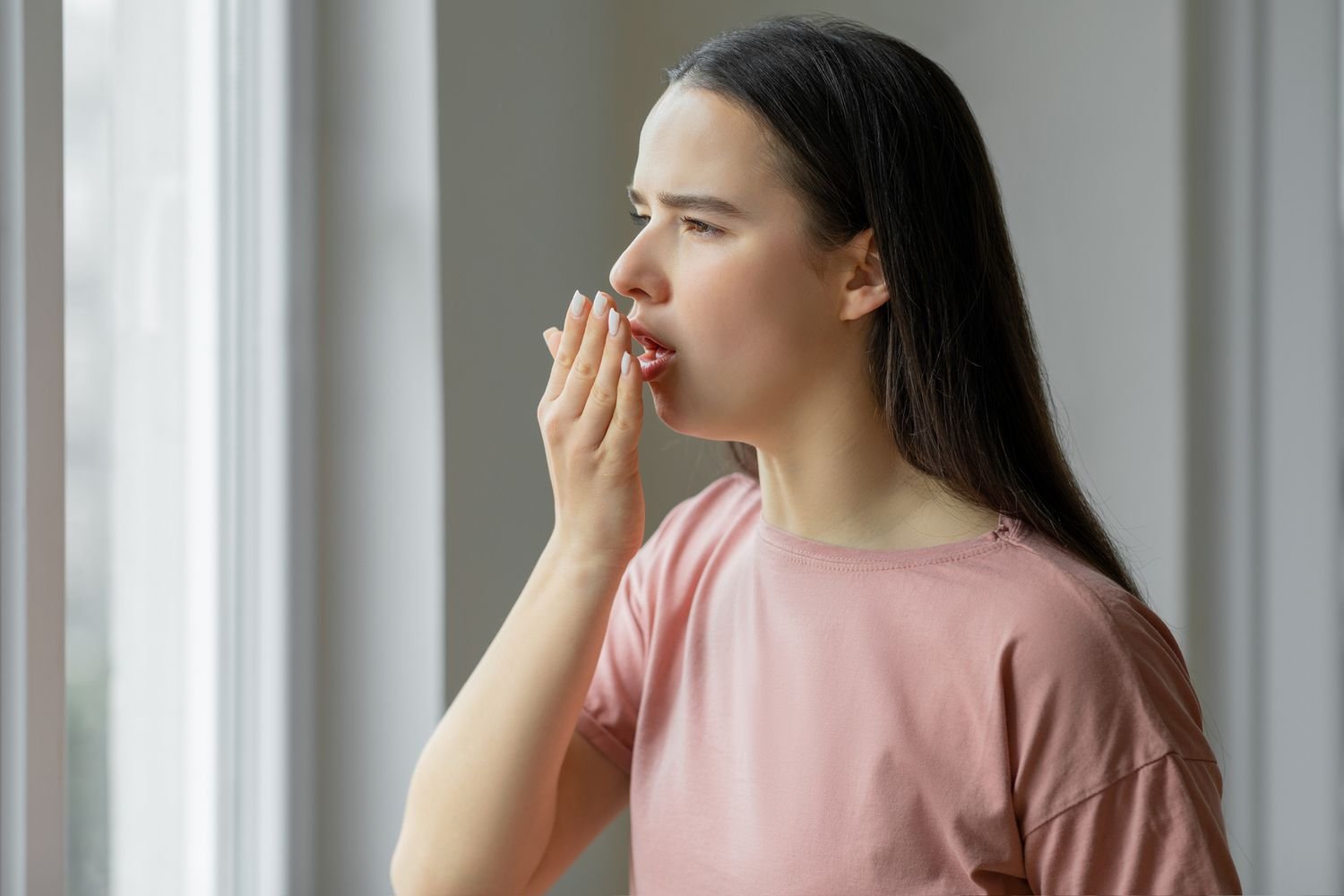

Conditions like Crohn’s disease and ulcerative colitis cause chronic inflammation throughout the gastrointestinal tract. This inflammation disrupts normal digestion and can significantly increase hydrogen sulfide production.
If your sulfur burps come with blood in stool, severe abdominal pain, or unintended weight loss, IBD should be ruled out by a gastroenterologist.
Lactose Intolerance and Food Sensitivities
People who cannot fully digest lactose (milk sugar) or gluten experience food fermentation in the gut, which leads to excess gas production including hydrogen sulfide. Sulfur burps in these cases are typically accompanied by bloating, cramping, and diarrhea after eating trigger foods.
Keeping a food diary is one of the most effective ways to identify whether food intolerance is the root cause.
Gastroparesis (Slow Stomach Emptying)
Gastroparesis is a condition where the stomach empties food too slowly. When food sits in the stomach longer than normal, bacteria have more time to ferment it, producing more hydrogen sulfide.
This condition is more common in people with diabetes, and it can cause nausea, vomiting, bloating, and chronic sulfur burps.
Medications as a Trigger
Some medications are known to cause sulfur burps as a side effect. GLP-1 receptor agonists like Ozempic, Wegovy, and Mounjaro slow down gastric emptying, which increases fermentation time and can cause eggy burps.
Antibiotics can also disrupt the gut microbiome balance, leading to an overgrowth of sulfur-producing bacteria. Iron supplements and certain protein powders have a similar effect.
Medications linked to sulfur burps:
| Medication Type | Examples | Why It Causes Sulfur Burps |
|---|---|---|
| GLP-1 agonists | Ozempic, Wegovy, Mounjaro | Slows gastric emptying |
| Antibiotics | Various types | Disrupts gut microbiome |
| Iron supplements | Ferrous sulfate | Contains sulfur compounds |
| Protein supplements | Whey, casein powders | High sulfur amino acid content |
Symptoms That Often Come With Sulfur Burps
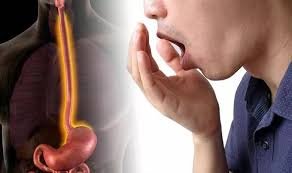

Sulfur burps rarely appear alone. Knowing what other symptoms accompany them can help you and your doctor pinpoint the cause faster.
Common accompanying symptoms:
- Abdominal bloating and distension
- Stomach pain or cramping
- Nausea and vomiting
- Diarrhea or loose stools
- Flatulence with a similar rotten egg smell
- Heartburn or acid reflux sensation
- Loss of appetite
- Fatigue
If your sulfur burps come with fever, blood in stool, unintended weight loss, or severe abdominal pain, seek medical attention promptly. These can be signs of a more serious condition.
How to Get Rid of Sulfur Burps
Dietary Changes to Stop Eggy Burps
The fastest way to reduce sulfur burps caused by food is to temporarily cut back on high-sulfur trigger foods. You do not need to eliminate them permanently in most cases, just give your gut a break.
Try reducing your intake of cruciferous vegetables, red meat, dairy, garlic, and eggs for a week and track whether your symptoms improve. Reintroduce foods one at a time to identify specific triggers.
Eat Slower and Chew Thoroughly
Slowing down your eating reduces the amount of air you swallow. Chewing each bite 20 to 30 times before swallowing helps break down food more thoroughly before it reaches your stomach.
Avoid eating while distracted, rushing through meals, or talking with food in your mouth. These habits significantly increase aerophagia (air swallowing).
Stay Hydrated
Drinking enough water helps flush waste and toxins through the digestive tract efficiently. Staying hydrated supports healthy gut motility, reducing the time food sits and ferments.
Aim for at least 8 glasses of water daily. Herbal teas like peppermint and chamomile can also soothe the digestive tract.
Green Tea and Herbal Remedies
Green tea contains antioxidants and compounds that support digestive health and may help reduce the production of hydrogen sulfide gas in the gut. Manuka honey has been studied for its ability to kill certain gut pathogens, including H. pylori.
Peppermint tea relaxes the muscles of the gastrointestinal tract, helping trapped gas move through more easily.
Probiotics for Gut Balance
A healthy and diverse gut microbiome is one of the best defenses against excess hydrogen sulfide production. Probiotics introduce beneficial bacteria that can crowd out sulfur-producing bacteria.
Look for probiotic supplements or fermented foods like yogurt, kefir, kimchi, and sauerkraut. Note that some people with histamine sensitivity may react to fermented foods, so start slowly.
Over-the-Counter Remedies
Simethicone-based products like Gas-X can help break up gas bubbles in the digestive tract, making it easier for gas to pass without the rotten egg smell. Bismuth subsalicylate (Pepto-Bismol) has been shown to neutralize hydrogen sulfide gas and can provide quick temporary relief.
Activated charcoal supplements are sometimes used to absorb excess gas, though evidence for their long-term effectiveness is limited.
Quick Relief Options:
| Remedy | How It Works | Best For |
|---|---|---|
| Simethicone (Gas-X) | Breaks up gas bubbles | General gas and bloating |
| Bismuth subsalicylate | Neutralizes H2S gas | Sulfur burps specifically |
| Activated charcoal | Absorbs excess gas | Occasional use only |
| Peppermint tea | Relaxes GI muscles | Bloating and cramping |
| Probiotics | Restores gut bacteria balance | Long-term gut health |
Medical Treatments for Underlying Conditions
If your sulfur burps are caused by an underlying condition, treating that condition is the only lasting solution.
H. pylori infections are treated with a combination of two antibiotics plus a proton pump inhibitor, typically for 10 to 14 days. SIBO is treated with rifaximin, a targeted antibiotic that works locally in the intestines. GERD is managed with proton pump inhibitors, lifestyle modifications, and sometimes surgery. IBS treatment is individualized and may include dietary changes, fiber supplementation, antispasmodics, and low-FODMAP diet therapy.
When to See a Doctor About Sulfur Burps
Occasional sulfur burps once or twice a week are generally not a cause for concern. However, you should schedule an appointment with a gastroenterologist if you experience any of the following:
- Sulfur burps more than three times per week consistently
- Burps accompanied by severe abdominal pain
- Nausea or vomiting that does not resolve
- Unexplained weight loss
- Blood in vomit or stool
- Symptoms that persist despite dietary changes
- Fever alongside digestive symptoms
These signs suggest an underlying condition that needs proper diagnosis and targeted treatment rather than home management alone.
Sulfur Burps vs Regular Burps: Key Differences
| Feature | Regular Burps | Sulfur Burps |
|---|---|---|
| Smell | Mild or odorless | Strong rotten egg odor |
| Cause | Swallowed air | Hydrogen sulfide gas |
| Frequency | Up to 30 times/day is normal | Over 3x/week is concerning |
| Associated symptoms | Usually none | Bloating, pain, diarrhea |
| Treatment needed | Rarely | Sometimes, depending on cause |
Foods That Help Reduce Sulfur Burps


Not all foods trigger sulfur burps. Some foods actively support a healthier gut environment and reduce hydrogen sulfide production.
Gut-friendly foods to include:
- Ginger: soothes the digestive tract and reduces gas
- Lemon water: stimulates digestive enzymes
- Plain yogurt with live cultures: supports microbiome balance
- Brown rice and oats: gentle on digestion, low sulfur content
- Bananas: easy to digest, prebiotic fiber
- Leafy greens (spinach, lettuce): low sulfur compared to cruciferous vegetables
- Herbal teas: peppermint, ginger, chamomile
Can Stress Cause Sulfur Burps?
Yes. Stress has a well-documented effect on the gut-brain axis, the communication network between your brain and digestive system. High stress levels can alter gut motility, disrupt the microbiome, and increase gut permeability, all of which can contribute to excess gas production and sulfur burps.
People who notice that their sulfur burps worsen during stressful periods should consider stress management techniques such as deep breathing, regular exercise, and adequate sleep alongside dietary changes.
Sulfur Burps in Children
Children can also experience sulfur burps, most commonly due to dietary causes or gastroenteritis (stomach flu). If a child has persistent sulfur burps with diarrhea, fever, or poor appetite, it is important to consult a pediatrician to rule out H. pylori infection, food intolerance, or other gastrointestinal conditions.
Sulfur Burps and Ozempic / GLP-1 Medications
The growing popularity of GLP-1 weight loss medications like Ozempic, Mounjaro, and Wegovy has brought a new group of people experiencing sulfur burps. These medications work by slowing gastric emptying, which means food stays in the stomach longer and produces more fermentation and hydrogen sulfide gas.
If you are on a GLP-1 medication and experiencing eggy burps, discuss the issue with your prescribing doctor. Dietary adjustments, eating smaller meals, avoiding high-sulfur trigger foods, and taking probiotic supplements can all help manage this side effect.
Frequently Asked Questions (FAQs)
Why do my burps smell like rotten eggs all of a sudden?
A sudden onset of sulfur burps is usually triggered by a recent meal high in sulfur-rich foods, a stomach infection like H. pylori, or a new medication. If it persists beyond a few days, see a doctor.
Are sulfur burps a sign of something serious?
Occasional sulfur burps are not serious. Frequent ones accompanied by pain, diarrhea, weight loss, or blood in stool may indicate a serious digestive condition requiring medical evaluation.
Can sulfur burps be a sign of H. pylori?
Yes. H. pylori infection is a well-known cause of chronic sulfur burps along with bloating, heartburn, and upper abdominal discomfort. A simple breath or stool test can confirm the diagnosis.
How do I stop sulfur burps fast?
Taking bismuth subsalicylate (Pepto-Bismol) or simethicone (Gas-X) can provide quick relief. Drinking peppermint tea and avoiding trigger foods also helps reduce sulfur burps rapidly.
What foods cause rotten egg burps?
The top culprits are eggs, red meat, garlic, onions, broccoli, cauliflower, cabbage, dairy products, and beer. These are all high in sulfur compounds that produce hydrogen sulfide during digestion.
Can stress cause sulfur burps?
Yes. Stress disrupts the gut-brain axis, alters gut motility, and changes the gut microbiome, all of which can increase hydrogen sulfide gas production and trigger sulfur burps.
Do sulfur burps mean I have IBS?
Not necessarily, but IBS is a common cause of chronic sulfur burps. If you also experience abdominal cramping, bloating, and irregular bowel habits, speak with a gastroenterologist to explore an IBS diagnosis.
Can probiotics help with sulfur burps?
Yes. Probiotics help restore a healthy balance of gut bacteria, reducing the overgrowth of sulfur-producing bacteria. Regular consumption of probiotic-rich foods or supplements can reduce the frequency of sulfur burps over time.
Are sulfur burps contagious?
No. Sulfur burps themselves are not contagious. However, if they are caused by an infection like H. pylori or Giardia, those infections can spread through contaminated food or water.
When should I go to the doctor for sulfur burps?
See a doctor if your sulfur burps occur more than three times a week, do not improve with dietary changes, or come with symptoms like severe abdominal pain, unexplained weight loss, fever, or blood in your stool.
Conclusion
Why do my burps smell like rotten eggs? The answer almost always comes down to hydrogen sulfide gas being produced in excess during digestion. In most cases, the cause is something straightforward like a high-sulfur meal, eating too quickly, or a temporary gut imbalance.
Simple dietary changes, slowing down at meals, drinking more water, and taking over-the-counter remedies can bring quick relief for most people.
However, when sulfur burps become frequent, persistent, or are paired with other digestive symptoms, they deserve medical attention. Conditions like H.
pylori infection, SIBO, GERD, and IBS are all treatable once properly diagnosed.
Do not ignore your body. Chronic sulfur burps are your gut’s way of signaling that something needs attention.
Work with a gastroenterologist, adjust your diet, support your microbiome, and you can take back control of your digestive health in 2026 and beyond.