

Why do I drool so much when I sleep is a question more people ask than admit — and the answer often points directly to a fixable health issue. Excessive drooling during sleep, medically called sialorrhea or hypersalivation, happens when your body produces more saliva than it can swallow.
The body keeps making saliva even while you rest, and when your muscles relax and your swallowing slows down, that saliva has nowhere to go but out. About 30% of adults deal with this at some point.
What Is Excessive Drooling During Sleep?
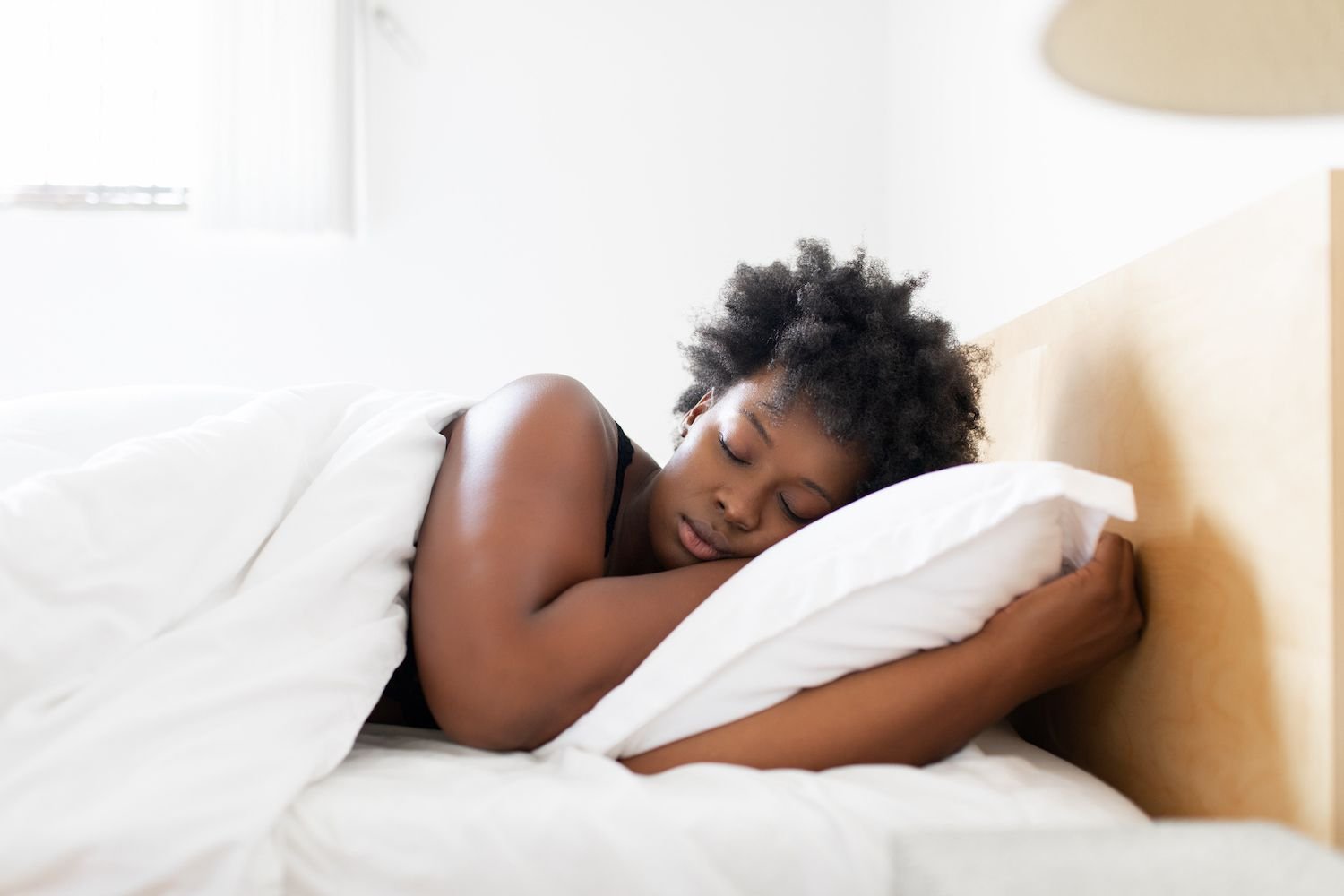

Excessive overnight drooling — medically known as sialorrhea or hypersalivation — goes beyond the occasional damp pillow spot. It involves enough saliva escaping your mouth during sleep to soak through pillowcases, cause skin irritation, or wake you up.
Your body produces between 0.5 and 1.5 liters of saliva every single day, including while you sleep. During waking hours, you swallow saliva unconsciously hundreds of times per hour.
During sleep, that swallowing reflex slows down significantly and the muscles controlling your lips and jaw relax. When saliva accumulates faster than it drains, it escapes — and if you drool excessively, something beyond just normal sleep relaxation is usually amplifying the process.
Why Do I Drool So Much When I Sleep? 12 Health Reasons
1. Sleep Position: The Root Cause for Most People
If you drool heavily, the first thing to look at is how you sleep. Side sleepers and stomach sleepers are the most frequent heavy droolers because gravity actively works against them.
When you lie on your side or stomach, saliva pools at the corner or front of your mouth. Any small gap between your lips — caused by muscle relaxation — allows a steady stream to escape onto the pillow.
Back sleepers drool far less because gravity directs saliva toward the throat, where it is swallowed passively even during sleep.
2. Mouth Breathing During Sleep
Breathing through your mouth during sleep is one of the most reliable predictors of heavy drooling. An open mouth is an open door for saliva.
Mouth breathing happens when nasal airflow is restricted. Even a partially blocked nose will cause the mouth to open more during sleep, dramatically increasing the volume of drool.
If you consistently wake up with a dry mouth AND a wet pillow, you are almost certainly a heavy mouth breather during sleep.
3. Nasal Congestion and Sinus Problems
Blocked sinuses from a cold, hay fever, seasonal allergies, a deviated septum, or chronic sinus infections force the body to breathe through the mouth throughout the night.
When the nose cannot do its job, the mouth takes over. The result is an open mouth, reduced swallowing, and pooling saliva.
Many people notice their drooling gets dramatically worse during allergy season or when they have a cold — and returns to normal once congestion clears.
4. Gastroesophageal Reflux Disease (GERD)
GERD is a significantly underrecognized cause of heavy overnight drooling. When stomach acid repeatedly travels back up the esophagus, the body responds by producing extra saliva to dilute and neutralize that acid.
This protective hypersalivation happens unconsciously, often during the night when you are lying flat. You may not even feel the reflux, but your body is producing large amounts of saliva in response to it.
If your drooling is accompanied by a sour taste in the morning, hoarseness, a persistent cough, or heartburn, GERD may be the primary driver.
5. Obstructive Sleep Apnea (OSA)
Obstructive sleep apnea is a strong and frequently missed cause of excessive overnight drooling. In OSA, the upper airway repeatedly collapses during sleep, blocking airflow.
When the airway blocks, the body instinctively opens the mouth to breathe. This chronic mouth breathing during repeated apnea episodes keeps the mouth open all night and dramatically increases drool volume.
Common signs that sleep apnea may be causing your drooling include loud snoring, waking up gasping or choking, morning headaches, daytime sleepiness, and difficulty concentrating.
6. Medications That Increase Saliva Output
Several widely prescribed medications list increased saliva production as a direct side effect. If your drooling became noticeably worse after starting a new prescription, medication is likely the cause.
| Medication Category | Examples | Effect on Saliva |
|---|---|---|
| Antipsychotics | Clozapine, risperidone | Major increase in saliva |
| Alzheimer’s medications | Donepezil, rivastigmine | Cholinergic increase |
| Some antibiotics | Various classes | Temporary increase |
| Anti-seizure drugs | Certain types | Occasional increase |
| Mood stabilizers | Lithium | Can increase output |
| Muscle relaxants | Various | Reduce swallowing control |
If you suspect your medication is causing heavy drooling, never stop it without talking to your doctor first. Dosage adjustments or alternatives are often available.
7. Neurological Conditions
Conditions affecting the nervous system can impair the swallowing reflex and reduce facial muscle control, making it physically impossible to keep saliva from escaping during sleep.
Parkinson’s disease is one of the most common neurological causes of chronic sialorrhea. Up to 75–80% of people with Parkinson’s experience problematic drooling, primarily because the disease slows automatic swallowing movements rather than increasing saliva production itself.
Other neurological conditions linked to excessive drooling include cerebral palsy, stroke, ALS (amyotrophic lateral sclerosis), multiple sclerosis, traumatic brain injury, and motor neuron disease. In these cases, drooling is a symptom of reduced neurological control and requires medical management.
8. Dental and Oral Health Issues
Poor oral health or structural dental problems can directly stimulate the salivary glands to overproduce.
Tooth decay, abscesses, mouth ulcers, gum disease (periodontitis), oral infections, and poorly fitting dentures all irritate the tissues inside the mouth. That irritation signals the salivary glands to increase output.
A misaligned bite or malocclusion can also prevent the mouth from closing properly during sleep, creating an easy exit for saliva even when production levels are normal.
9. Pregnancy and Hormonal Changes
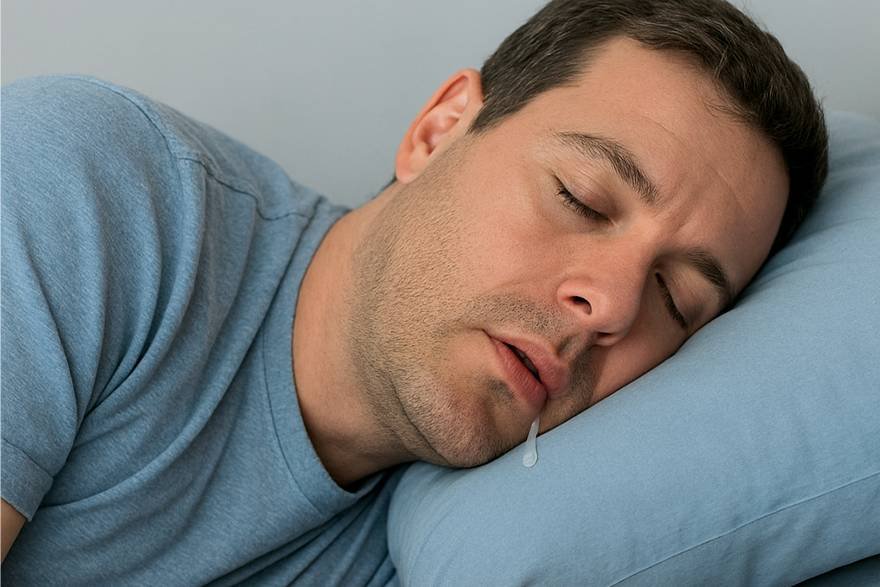

Increased salivation is a documented symptom of early pregnancy. Hormonal shifts — particularly in the first trimester — directly stimulate the salivary glands.
This pregnancy-related hypersalivation is sometimes called ptyalism gravidarum. It is often made worse by morning nausea, since the discomfort of nausea makes swallowing saliva feel difficult.
Drooling related to pregnancy is temporary and usually resolves after the first trimester or after delivery, with no lasting effects.
10. Allergies and Upper Respiratory Infections
Seasonal allergies and respiratory infections inflame the nasal passages and sinuses. The inflammation reduces nasal airflow and often triggers extra mucus and saliva production at the same time.
Infections like strep throat, tonsillitis, mononucleosis, and sinus infections compound the effect. Swollen, inflamed tissues make swallowing uncomfortable, allowing saliva to pool and drool more than usual.
People who deal with year-round allergies (perennial allergic rhinitis) often find they drool consistently rather than just seasonally.
11. Stress, Anxiety, and Fatigue
High stress levels and significant fatigue cause the body to enter deeper sleep than usual. The deeper the sleep, the more completely the muscles relax — including those controlling the jaw and lips.
Chronic stress also disrupts sleep architecture, leading to irregular sleep cycles that affect swallowing reflex patterns overnight.
Many people notice their drooling increases during periods of extreme tiredness or high work and emotional stress — and reduces when sleep quality and stress levels return to normal.
12. Dehydration and Diet Triggers
Dehydration causes saliva to become thicker and more viscous. Paradoxically, thick saliva is harder to swallow and more likely to pool in the mouth and drool out.
Certain foods eaten in the hours before bed can also directly stimulate the salivary glands. Spicy foods, acidic foods such as citrus and tomatoes, and heavily seasoned meals increase salivary output that lingers into sleep.
Late and large evening meals give the salivary glands less time to settle before you lie down, increasing the volume available to drool during the night.
What Your Drooling Pattern Can Tell You
The way you drool can sometimes give useful clues about the underlying cause.
Heavy drooling only on one side of your face may indicate a neurological issue affecting one side of the body and warrants medical evaluation.
Drooling that is worst right after starting a new medication points clearly to a drug side effect and should be discussed with the prescribing doctor.
Drooling with a sour taste or heartburn in the morning strongly suggests GERD as the primary driver.
Drooling combined with loud snoring, gasping during the night, or morning headaches points to sleep apnea and requires a sleep study.
Drooling in an older adult developing alongside changes in gait, expression, or speech may be an early neurological symptom requiring prompt medical review.
Seasonal or cold-related drooling that resolves when congestion clears is almost always just positional and congestion-driven — the least concerning type.
Secondary Health Effects of Drooling Too Much at Night
Heavy overnight drooling creates several secondary problems beyond the embarrassing wet pillow.
Bad breath (halitosis) develops rapidly. When saliva pools on bedding overnight, bacteria multiply and produce the volatile sulfur compounds responsible for morning bad breath.
Skin irritation and chapped lips occur when facial skin is in constant contact with saliva overnight. The repeated moisture and drying cycle breaks down the skin barrier around the mouth, causing redness, cracking, and discomfort.
Mild dehydration is possible in cases of very heavy drooling, though this is uncommon in healthy adults.
Disrupted sleep quality is particularly common when drooling is linked to sleep apnea. Every apnea episode fragments sleep architecture, leaving you fatigued regardless of how many hours you spend in bed.
Social embarrassment and reduced self-confidence are consistently reported as significant quality-of-life impacts, particularly when sharing sleeping space with a partner.
Quick Reference: Drooling Causes by Severity
| Cause | How Common | Severity | Easiest Fix |
|---|---|---|---|
| Side or stomach sleeping | Very common | Mild | Change sleep position |
| Nasal congestion | Very common | Mild | Saline spray, antihistamine |
| Seasonal allergies | Common | Mild to moderate | Allergy treatment |
| GERD or acid reflux | Common | Moderate | Diet changes, elevation |
| Sleep apnea | Moderate | Moderate to severe | CPAP or oral appliance |
| Medication side effect | Moderate | Mild to moderate | Discuss with doctor |
| Dental issues | Less common | Mild | Dental treatment |
| Pregnancy | Temporary | Mild | Resolves postpartum |
| Stress or fatigue | Common | Mild | Sleep hygiene |
| Neurological condition | Less common | Moderate to severe | Medical management |
How to Stop Drooling So Much in Sleep: Complete Fix Guide


Sleeping student drooling on reading table
Switch to Back Sleeping
Back sleeping is the single most effective non-medical fix for excessive drooling. When you lie flat on your back, gravity keeps saliva at the back of the throat where it drains naturally.
Use a body pillow to prevent yourself from rolling onto your side during sleep. A contoured cervical pillow keeps your neck and jaw properly aligned, reducing mouth opening.
Elevating the head of your bed slightly — even by a few inches — also reduces both drooling and nighttime acid reflux at the same time.
Clear Your Nasal Passages Before Bed
Use a saline nasal rinse or spray each night to flush out allergens, dust, and irritants that cause congestion.
A cool-mist humidifier adds moisture to bedroom air, keeping nasal passages hydrated and reducing the body’s need to switch to mouth breathing.
If seasonal allergies are the cause, a consistent antihistamine or nasal corticosteroid spray used nightly can dramatically reduce both congestion and drooling together.
Manage GERD With Timing and Positioning
Stop eating at least 2 to 3 hours before lying down. A full stomach under a flat body is a reliable recipe for reflux and the hypersalivation that follows.
Elevate the head of your bed by 6 to 8 inches using a wedge pillow or bed risers. This positional change reduces the chance of stomach acid traveling upward during sleep.
Avoid late-night trigger foods: spicy food, citrus, fatty meals, coffee, alcohol, and chocolate are the most commonly reported GERD triggers.
Get Tested for Sleep Apnea
If you suspect sleep apnea, do not delay evaluation. A home sleep test or in-lab polysomnography can confirm the diagnosis within days.
A CPAP machine keeps the airway open throughout the night, eliminates the need for mouth breathing, and directly resolves sleep apnea-related drooling in most people.
A mandibular advancement device (MAD) is an effective oral appliance alternative for mild to moderate sleep apnea that also improves mouth closure and reduces drool volume.
Strengthen Jaw and Swallowing Muscles
Practice keeping your lips gently closed for several minutes each day while breathing through your nose. This builds the muscle tone needed for passive mouth closure during sleep.
Chewing sugar-free gum throughout the day strengthens the jaw muscles involved in maintaining lip seal overnight.
A speech-language pathologist can create a full program of swallowing exercises and lip closure techniques, particularly useful when drooling is caused by reduced muscle tone or post-stroke changes.
Adjust Your Evening Habits
Avoid alcohol within 3 hours of bedtime. Alcohol relaxes muscles more deeply than normal sleep, specifically loosening the muscles that keep the mouth closed and saliva contained.
Stay consistently hydrated throughout the day. Dehydration makes saliva thicker and harder to swallow, increasing overnight pooling.
Avoid heavily spiced, acidic, or very large late-night meals. All three stimulate the salivary glands in the hours before sleep, increasing the overnight drool volume.
Medical Treatments for Excessive Drooling
When lifestyle changes are not enough, effective medical treatments are available for moderate to severe sialorrhea.
Anticholinergic Medications
Prescription medications including glycopyrrolate and scopolamine reduce saliva production by blocking the nerve signals that trigger the salivary glands.
These are the most commonly prescribed medications for chronic hypersalivation, particularly in people with neurological conditions. Side effects can include dry mouth, constipation, blurred vision, and urinary retention.
A doctor must weigh the severity of drooling against the side effect profile before recommending these medications.
Botulinum Toxin (Botox) Injections
Botox injected directly into the salivary glands — guided by ultrasound imaging — temporarily reduces salivary gland output significantly.
Research shows Botox is effective in approximately 60% of cases. Effects last 3 to 6 months, after which treatment can be repeated. Side effects are generally mild and may include temporary dry mouth.
Botox is most well-studied for drooling in Parkinson’s disease, cerebral palsy, and ALS, but can also be used in otherwise healthy adults with persistent hypersalivation.
CPAP Therapy
For sleep apnea-related drooling, CPAP is often the complete solution. Once apnea is treated and mouth breathing stops, drooling often resolves within weeks of consistent use.
Some people who start CPAP initially experience increased drooling from air pressure entering the mouth. This is corrected with a full-face mask or by adding a chinstrap to maintain mouth closure during therapy.
Speech Therapy
A speech-language pathologist delivers structured exercises targeting jaw closure, lip seal strength, tongue position, and swallowing reflex speed.
This is the preferred first-line approach for children with developmental drooling causes and for adults recovering from stroke or managing neurological conditions affecting oral motor function.
Improvements take several weeks to months but tend to be lasting when exercises are practiced consistently.
Surgery
Surgical options are reserved for severe, treatment-resistant cases. Options include repositioning the ducts of the submandibular salivary glands so saliva drains backward toward the throat rather than forward toward the lips.
Salivary gland removal and surgical reduction of nerve supply to the glands are more aggressive options. Studies show surgical outcomes are positive, with up to 89% of patients seeing significant improvement.
Surgery is considered only after medications, Botox, speech therapy, and all conservative measures have been tried and found insufficient.
Normal vs. Excessive Drooling: How to Tell the Difference


| Normal Drooling | Excessive Drooling |
|---|---|
| Occasional damp pillow spot | Pillow soaked through most nights |
| Resolves when congestion clears | Persistent regardless of congestion |
| No other symptoms | Accompanied by snoring, reflux, or fatigue |
| Improves with back sleeping | Persists even on back |
| No skin irritation around mouth | Chronic redness or chapping around mouth |
| Seasonal or cold-related only | Year-round and worsening over time |
| No new medications involved | Started with a new prescription |
Drooling at Different Life Stages
Drooling in infants is completely normal and expected until around 18 to 24 months, when oral motor control matures. Teething accelerates saliva production. Persistent drooling beyond age 4 warrants pediatric evaluation.
In adults under 40, position, congestion, allergies, and GERD account for the vast majority of cases. These are all manageable with lifestyle changes or simple medical treatment.
In adults over 60, natural muscle tone decreases and neurological conditions become more prevalent. New-onset heavy drooling in older adults should always prompt a medical evaluation, as it can be one of the first visible signs of an underlying neurological condition developing.
When to See a Doctor About Drooling Too Much
Seek a medical evaluation when drooling soaks through your pillow most nights and does not improve with sleep position changes.
See a doctor if drooling started suddenly with no clear trigger like a cold or new medication.
Seek evaluation when drooling is accompanied by snoring, gasping, morning headaches, or chronic daytime fatigue pointing toward sleep apnea.
See a doctor immediately if drooling appears alongside neurological symptoms — tremors, stiffness, shuffling gait, facial blankness, speech changes, or weakness on one side of the body.
Any older adult who develops new unexplained heavy drooling deserves neurological evaluation without delay.
Frequently Asked Questions (FAQs)
Why do I drool so much when I sleep even on my back?
If back sleeping does not reduce your drooling, the cause likely goes beyond position — GERD, sleep apnea, a medication side effect, or a neurological condition may be producing more saliva than gravity alone can manage.
Is drooling a lot in my sleep a sign of something serious?
Most heavy drooling is caused by sleep position, congestion, or GERD — all manageable. It becomes more concerning when accompanied by snoring and gasping, neurological symptoms, or sudden unexplained onset.
Can sleep apnea cause excessive drooling during sleep?
Yes. Sleep apnea forces chronic mouth breathing throughout the night, which is one of the most common causes of heavy drooling. Treating the apnea with CPAP typically resolves the drooling alongside it.
What medications cause excessive drooling at night?
Antipsychotics, especially clozapine, Alzheimer’s medications, some mood stabilizers, certain muscle relaxants, and cholinergic drugs are the most common culprits. Always speak to your doctor before changing or stopping any medication.
Is it normal to drool a lot when I am very tired?
Yes. Extreme fatigue causes deeper sleep and greater muscle relaxation, which reduces lip closure and slows the swallowing reflex — all of which increase drooling volume noticeably.
Does GERD really cause heavy drooling at night?
Yes. When stomach acid rises up the esophagus, the body floods the mouth with saliva to neutralize it. This happens unconsciously during sleep and can produce significantly more saliva than normal.
How do I stop drooling so much at night without medication?
Start with back sleeping, elevating your head, using saline nasal spray, avoiding late meals and alcohol, and staying hydrated. These changes alone resolve drooling for the majority of people.
Can dehydration make me drool more at night?
Yes. Dehydration thickens saliva, making it harder to swallow passively during sleep. Thick saliva pools more readily and drools more noticeably than normal thin saliva.
When should I see a doctor about drooling too much when I sleep?
See a doctor if drooling soaks your pillow nightly, started suddenly without explanation, comes with snoring or gasping, is accompanied by swallowing difficulties when awake, or appears alongside any neurological symptoms.
Does Botox actually work for excessive drooling?
Yes. Botox injected into the salivary glands reduces saliva production for 3 to 6 months and is effective in about 60% of cases. It is used for neurological conditions but also works for otherwise healthy people with persistent hypersalivation.
Conclusion
Why do I drool so much when I sleep comes down to a combination of sleep mechanics, muscle relaxation, and in many cases a treatable underlying health reason.
For most people it is positional, congestion-related, or driven by GERD — all of which respond quickly to straightforward fixes. For others, the drooling signals something worth investigating: sleep apnea, a medication effect, or in rarer cases a neurological condition.
In 2026, every level of drooling severity has an effective treatment path — from adjusting your sleep position all the way to CPAP, Botox, and speech therapy. The key is identifying your specific reason and acting on it rather than just flipping the pillow over every morning.