

Why do cats pupils get big is one of the most common questions new and longtime cat owners ask, usually right after watching their cat’s eyes suddenly widen for no obvious reason. One moment your cat looks calm, and the next their eyes look almost all black.
In most cases, this is completely normal. Pupil size in cats shifts constantly based on light, mood, and activity, acting almost like a built-in mood ring.
But sometimes, dilated pupils point to something more serious, like pain, toxin exposure, or an underlying health condition that needs a vet’s attention.
What Controls Pupil Size in Cats
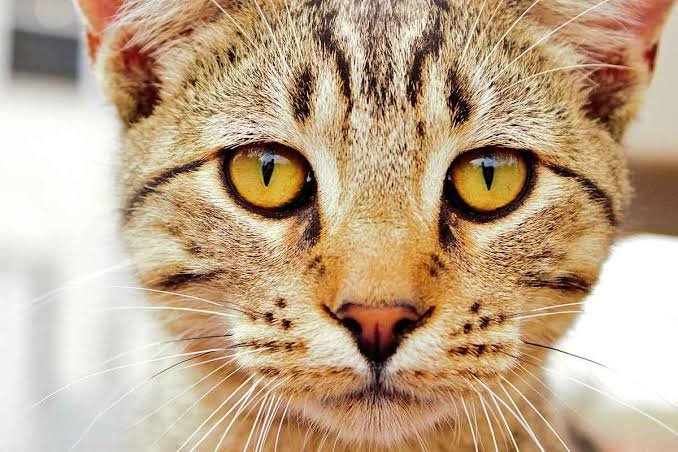

A cat’s pupil is the black opening in the center of the eye that lets light reach the retina.
Tiny muscles inside the iris, the colored part of the eye, control how wide or narrow that opening becomes.
Why Cats Have Slit-Shaped Pupils
Unlike humans and dogs, cats have vertical slit pupils rather than round ones.
This shape allows for a much greater range of dilation, letting in dramatically more light in darkness than a round pupil ever could.
It also helps cats judge distance more precisely while hunting, which matters for an ambush predator.
| Feature | Cats | Humans |
|---|---|---|
| Pupil shape | Vertical slit | Round |
| Dilation range | Very wide | Moderate |
| Low-light vision | Excellent | Limited |
| Distance judgment | Highly precise | Less precise |
The Most Common Reason: Changes in Light
The single biggest reason a cat’s pupils get big is simply a change in lighting.
In bright light, pupils narrow to thin slits to protect the sensitive retina from too much exposure.
In dim rooms or at night, those same pupils widen dramatically to capture every bit of available light.
Why This Happens So Fast
Cats have evolved as both daytime and nighttime hunters, so their eyes need to adjust quickly between extremes.
This rapid pupil response is completely automatic and doesn’t require your cat to think about it at all.
| Lighting Condition | Typical Pupil Size |
|---|---|
| Bright sunlight | Thin vertical slits |
| Indoor daytime lighting | Medium, oval-shaped |
| Dim evening light | Wide, rounder dilation |
| Total darkness | Maximum dilation |
Excitement and Play
Cats often show big pupils during play, especially when chasing toys or stalking a feather wand.
This dilation mimics what happens during real hunting, helping their eyes gather maximum visual information.
Signs Your Cat Is Just Excited
- Crouched, alert body posture
- Twitching tail tip
- Ears forward and focused
- Playful pouncing or chasing behavior
If your cat’s pupils widen right before dinner or a favorite toy comes out, this is a totally normal excitement response.
Fear and Anxiety
Big pupils are one of the clearest signs that a cat feels scared or anxious.
This dilation helps cats take in as much visual detail as possible while deciding how to respond to a potential threat.
Common Fear Triggers
- Loud noises like vacuums or thunder
- Unfamiliar people or animals
- Sudden movements
- Car rides or vet visits
Body Language That Confirms Fear
| Sign | Meaning |
|---|---|
| Flattened ears | High alert or fear |
| Crouched body | Trying to appear smaller |
| Tail tucked | Feeling unsafe |
| Dilated pupils | Heightened visual awareness |
Speaking softly and giving your cat space usually helps them settle once the trigger is gone.
Aggression: A Trickier Signal to Read
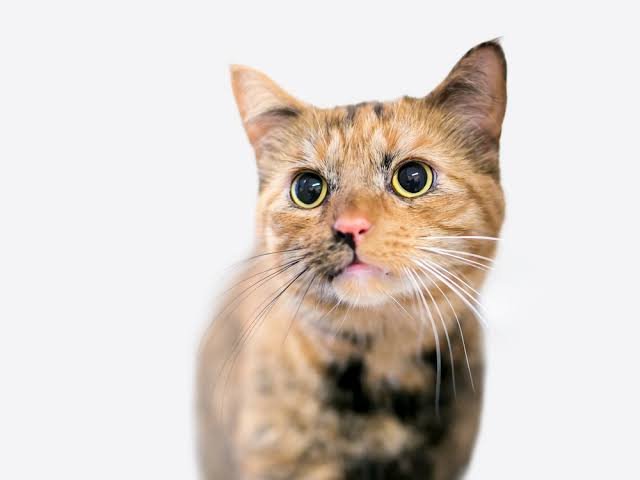

Pupil size during aggression is less predictable than with fear or excitement.
Some aggressive cats show wide, dilated pupils, while others narrow their eyes into tight slits depending on the exact situation.
Reading Aggression Correctly
- Dilated pupils with hissing or growling
- Flattened ears pressed against the head
- Stiff, upright tail or puffed-up fur
- Direct, unblinking stare
If you see these signs together, it’s best to avoid handling your cat until they visibly relax.
Catnip and Play-Induced Highs
Many cats react to catnip with noticeably bigger pupils alongside rolling, rubbing, and zoomies.
This temporary “catnip high” typically lasts ten to fifteen minutes before pupils and behavior return to normal.
What Catnip Reactions Usually Look Like
- Wide, dilated pupils
- Rolling on the floor
- Increased vocalization
- Sudden bursts of energy
This response is harmless and simply reflects how catnip interacts with a cat’s sensory receptors.
Affection and Trust
Believe it or not, some cats show dilated pupils simply because they’re happy to see you.
This relaxed dilation often appears alongside slow blinking, soft purring, or rubbing against your legs.
Signs of a Relaxed, Happy Cat
- Slow blinking (“cat kisses”)
- Loose, relaxed body posture
- Soft purring
- Gentle head bunting
Context matters here, since the same dilated look can mean very different things depending on everything else your cat is doing.
Health Conditions That Cause Dilated Pupils
While most pupil dilation is behavioral, certain medical conditions can also be responsible.
These causes are more concerning because they often involve pupils that stay dilated regardless of lighting.
Feline Hypertension (High Blood Pressure)
High blood pressure is common in older cats, especially those with kidney disease or hyperthyroidism.
It can cause persistently dilated pupils that fail to shrink even in bright light.
Hyperthyroidism
An overactive thyroid speeds up the entire body, including the heart and blood pressure.
This often leads to secondary eye changes, including dilated pupils and, in severe cases, vision loss.
Retinal Detachment
Sudden, severe high blood pressure can cause the retina to detach from the back of the eye.
This typically causes both pupils to dilate widely and may result in sudden blindness.
| Health Condition | Typical Pupil Pattern |
|---|---|
| Hypertension | Both pupils widely dilated |
| Hyperthyroidism | Dilation with weight loss, appetite changes |
| Retinal detachment | Sudden, severe dilation, possible blindness |
| Glaucoma | Dilation with eye pain, cloudiness |
Anisocoria: When Only One Pupil Is Big
Anisocoria refers to a cat having two differently sized pupils at the same time.
This is never considered normal and should always be checked by a veterinarian promptly.
Possible Causes of Anisocoria
- Eye trauma or injury
- Glaucoma in one eye
- Nerve damage affecting one eye
- Tumors or masses near the eye
Why This Is Treated as an Emergency
Because anisocoria often signals a serious underlying issue, prompt diagnosis significantly improves the outcome.
Waiting too long can sometimes lead to permanent vision loss in the affected eye.
Toxins and Medications That Dilate Pupils
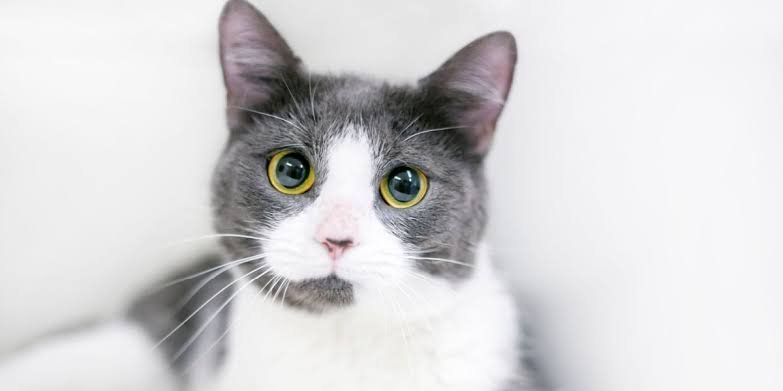

Certain substances interfere with the nervous system in ways that force pupils to stay dilated.
This is one of the more urgent causes, since exposure often requires immediate veterinary treatment.
Common Toxins Linked to Dilated Pupils
- Certain houseplants, including some Dracaena species
- Human medications like antidepressants
- Recreational drugs such as marijuana
- Insecticides and flea or tick products
Medication Side Effects
- Opioid pain medications
- Anesthesia or sedation drugs
- Certain eye drops used during exams
If toxin exposure is suspected, contacting a vet immediately gives your cat the best chance at a full recovery.
Pain and Discomfort
Pain is a frequently overlooked cause of dilated pupils in cats.
Cats are notoriously good at hiding pain, so their eyes sometimes give away discomfort before any other obvious symptom appears.
Subtle Signs of Pain to Watch For
- Reduced appetite
- Hiding more than usual
- Reluctance to jump or climb
- Changes in grooming habits
If dilated pupils appear alongside any of these signs, a vet visit can rule out an underlying painful condition.
Blindness and Vision Loss
Cats that are partially or fully blind often have pupils that stay dilated regardless of lighting.
This happens because the visual feedback loop that normally controls pupil size isn’t functioning properly.
Signs of Possible Vision Loss
- Bumping into furniture
- Hesitating before jumping
- Eyes that don’t track moving objects
- Pupils that don’t respond to a flashlight
Cats can adapt remarkably well to vision loss, but a vet exam helps identify the underlying cause early.
Kittens vs Adult Cats vs Senior Cats
Pupil behavior can look slightly different depending on a cat’s life stage.
Kittens
Kittens often show dramatic pupil dilation during play, since their hunting instincts are still developing through practice.
Adult Cats
Adult cats show more predictable, situational dilation tied closely to light, mood, and activity level.
Senior Cats
Senior cats are more likely to show persistent dilation linked to hypertension, hyperthyroidism, or vision changes.
| Life Stage | Typical Dilation Pattern | Main Concern If Persistent |
|---|---|---|
| Kitten | Frequent, play-related | Usually harmless |
| Adult | Light and mood-based | Watch for sudden changes |
| Senior | More persistent dilation | Hypertension, thyroid issues |
How to Check Your Cat’s Pupils at Home
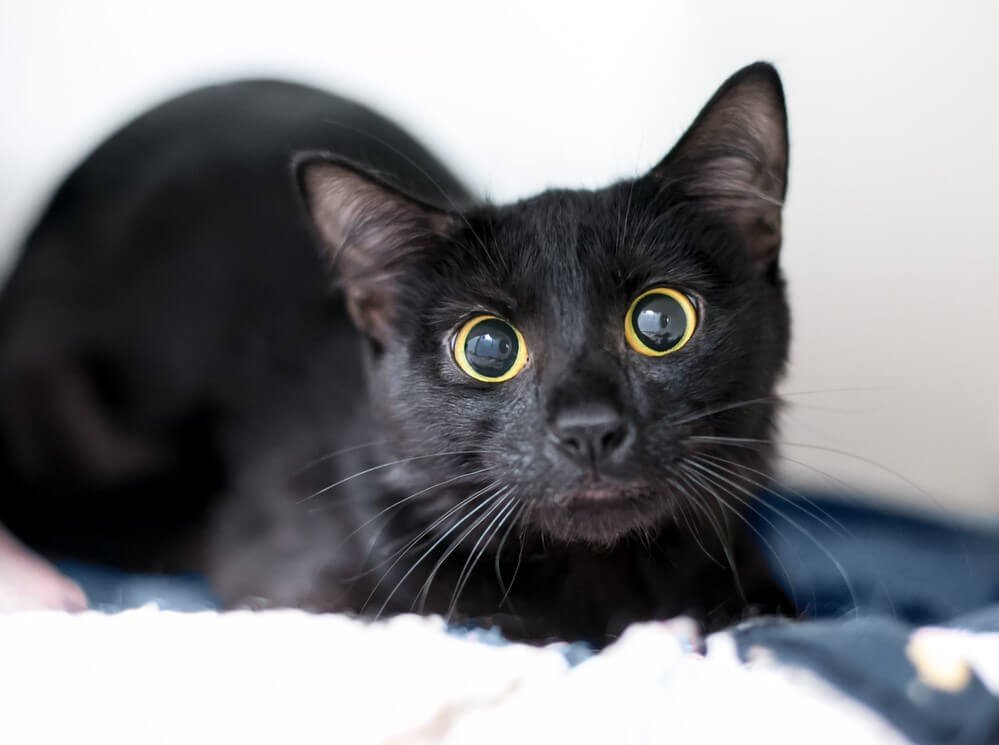

A quick at-home check can help you decide whether a vet visit is needed.
Simple Steps to Try
- Shine a soft flashlight briefly into each eye separately
- Compare both pupils for equal size and shape
- Watch how quickly each pupil constricts
- Note any cloudiness, redness, or visible pain
What a Normal Response Looks Like
Healthy pupils should constrict quickly and evenly when exposed to light, then dilate again in dimmer conditions.
Slow, uneven, or absent responses are worth mentioning to your veterinarian.
Behavior vs Health: Quick Comparison Table
| Cause Category | Pupils Return to Normal | Other Symptoms Present | Needs Vet Visit |
|---|---|---|---|
| Light changes | Yes, quickly | No | No |
| Play or excitement | Yes, within minutes | No | No |
| Fear or anxiety | Yes, once calm | Possible hiding | No |
| Catnip reaction | Yes, 10–15 minutes | Rolling, energy bursts | No |
| Hypertension | No | Lethargy, appetite changes | Yes |
| Toxin exposure | No | Vomiting, tremors | Yes, urgent |
| Anisocoria | No | Often none visible | Yes, urgent |
The Science Behind Pupil Dilation (Mydriasis)
The medical term for pupil widening is mydriasis, and it’s controlled by the autonomic nervous system.
This system runs largely on autopilot, which is why your cat never has to consciously decide to widen or narrow their eyes.
The Two Nervous System Pathways Involved
The sympathetic nervous system triggers dilation during stress, excitement, or a fight-or-flight response.
The parasympathetic nervous system handles constriction, helping pupils narrow during calm, well-lit situations.
Why This Matters for Owners
Because dilation is tied to the nervous system, anything that disrupts those nerve pathways can cause abnormal pupil behavior.
This is exactly why trauma, toxins, and certain diseases so often show up first as a change in pupil size.
| Nervous System Branch | Effect on Pupil | Triggered By |
|---|---|---|
| Sympathetic | Dilation (widening) | Stress, fear, excitement |
| Parasympathetic | Constriction (narrowing) | Calm states, bright light |
Do Different Cat Breeds Show Pupil Differences?
Pupil shape and dilation patterns are largely consistent across domestic cat breeds.
However, some breeds with naturally larger or more prominent eyes, like Persians or Siamese cats, can make dilation appear more dramatic simply due to eye size.
Eye Color and Pupil Visibility
Cats with lighter eye colors, such as blue or pale green, often make pupil changes easier to notice at a glance.
Darker-eyed cats can show the exact same dilation, but it may be slightly harder to spot without good lighting.
Big Cats vs Domestic Cats
Interestingly, large wild cats like lions and tigers have round pupils instead of the vertical slits seen in house cats.
This difference comes down to hunting style, since big cats chase prey across open spaces rather than relying on the precision-based ambush tactics of smaller, slit-pupiled cats.
Environmental Factors That Influence Pupil Size
Beyond light and emotion, a few environmental factors can subtly affect how dilated a cat’s pupils appear.
Common Environmental Triggers
- Sudden changes in room brightness
- New or unfamiliar environments
- Loud household appliances
- Changes in routine or schedule
Why New Environments Cause Dilation
Cats rely heavily on vision to assess unfamiliar spaces for potential threats.
This naturally leads to wider pupils as they gather as much visual information as possible while settling in.
When to See a Veterinarian
Most dilated pupils are harmless and tied to light, mood, or play.
Red Flags That Need Prompt Attention
- Pupils stay dilated regardless of lighting
- Only one pupil is dilated
- Sudden clumsiness or bumping into objects
- Pupils dilated alongside vomiting, tremors, or lethargy
- Visible pain, redness, or cloudiness in the eye
Acting quickly on these signs gives your cat the best possible outcome, especially with conditions tied to vision loss.
How Vets Diagnose the Underlying Cause
If dilation seems abnormal, a vet will usually start with a full eye and physical exam.
Common Diagnostic Steps
- Pupillary light reflex testing
- Blood pressure measurement
- Blood tests for thyroid and kidney function
- Detailed eye exam for trauma or disease
These tests are usually quick and provide a clear direction for treatment if something is found.
Frequently Asked Questions (FAQs)
The questions below cover the most common concerns cat owners have about pupil dilation.
Why do cats pupils get big when the y’re playing?
Play triggers a hunting-like response that widens the pupils for better visual tracking. This is completely normal and temporary.
Is it normal for cat pupils to change size throughout the day?
Yes, pupils constantly adjust based on lighting changes throughout the day. This is a healthy, automatic reflex.
Can fear really cause a cat’s pupils to dilate?
Yes, fear and anxiety commonly cause noticeable pupil dilation. It often appears alongside crouching or flattened ears.
Does catnip always cause dilated pupils?
Many cats show dilated pupils during a catnip reaction, though not all cats respond to catnip. The effect typically fades within 15 minutes.
What does it mean if only one pupil is dilated?
This is called anisocoria and is never considered normal. It should be evaluated by a vet promptly.
Can high blood pressure cause dilated pupils in cats?
Yes, feline hypertension is a common cause, especially in senior cats. It often relates to kidney disease or hyperthyroidism.
Should I worry if my older cat’s pupils stay big constantly?
Yes, persistent dilation in senior cats often signals an underlying health issue. A vet checkup is strongly recommended.
Can toxins or medications cause a cat’s pupils to dilate?
Yes, certain plants, human medications, and pesticides can cause dilation. This requires urgent veterinary attention.
How can I tell if dilated pupils mean my cat is in pain?
Look for reduced appetite, hiding, or reluctance to jump alongside dilation. These combined signs suggest discomfort.
When should dilated pupils be treated as an emergency?
Treat it as an emergency if dilation is sudden, uneven, or paired with vomiting or disorientation. Contact a vet immediately in these cases.