

Why do Catholics eat fish on Friday is one of the most searched religious questions online, and the answer goes much deeper than most people think.
This tradition is tied directly to the death of Jesus Christ, centuries of Church law, and a powerful spiritual practice still observed by millions of Catholics today.
Whether you are Catholic, curious, or just wondering why the church parking lot is full on Friday nights during Lent, this guide breaks it all down clearly and completely.
The Core Reason: Friday Is a Day of Penance
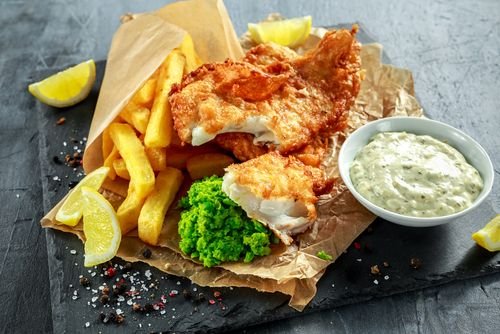

Catholics eat fish on Friday as an act of penance and sacrifice. Friday marks the day Jesus Christ was crucified and died on the cross. The Church asks its faithful to honor that sacrifice by making a small personal sacrifice of their own every week.
Abstaining from meat, which was historically considered a luxury and celebratory food, is that sacrifice. It is not simply a food rule. It is a weekly reminder of Christ’s suffering and death.
The practice dates back to the earliest centuries of Christianity, making it one of the oldest continuous religious disciplines in the world.
What Does Canon Law Actually Say?
The legal foundation of this practice comes directly from the Catholic Church’s Canon Law. Canon 1251 of the 1983 Code of Canon Law states that abstinence from meat, or from some other food as determined by the bishops’ conference, is to be observed on all Fridays of the year, unless a solemnity falls on a Friday.
Canon 1249 further explains that the Church has set certain days for all Catholics to perform penitential practices together, including fasting and abstinence.
These are not suggestions. They are binding obligations for Catholics aged 14 and older.
Why Is Fish Not Considered Meat?
This is the question that trips most people up. The answer is rooted in canonical definition, not biology.
| Category | Examples | Allowed on Abstinence Days? |
|---|---|---|
| Warm-blooded land animals | Beef, pork, lamb, chicken, turkey | No |
| Cold-blooded aquatic animals | Fish, shrimp, crab, lobster | Yes |
| Dairy and eggs | Milk, cheese, eggs | Yes |
| Vegetables and grains | All types | Yes |
In Catholic Canon Law, the word “meat” refers specifically to the flesh of warm-blooded land animals and birds. Fish and other seafood are cold-blooded aquatic creatures. They fall into a completely different canonical category.
This is not a biological or scientific classification. It is a canonical one, established centuries ago and codified into Church law.
St. Thomas Aquinas also influenced this thinking. He argued that the flesh of warm-blooded animals was more pleasurable, more nourishing, and more closely related to human flesh than fish. Abstaining from such food was therefore a more meaningful form of sacrifice.
The Historical Timeline of Friday Abstinence
Understanding this tradition requires a look at history. The practice did not appear overnight.
First Century: Early Christians began fasting on Fridays to commemorate the crucifixion, sometimes alongside Jewish fasting traditions.
Early Church Period: Fasting evolved into abstinence from meat specifically. Fish became the acceptable alternative, widely available and considered less indulgent.
Medieval Period: Friday abstinence from meat became a well-established universal discipline, observed every Friday of the year, not just during Lent.
Pre-1966: Catholics were required to abstain from meat on every Friday of the year. Breaking this rule was considered a serious sin.
1966: Pope Paul VI issued the apostolic constitution Paenitemini, simplifying the rules. Friday abstinence from meat remained mandatory during Lent but became a recommended penance outside of Lent in most countries.
1983: The updated Code of Canon Law codified the current rules that are still in effect today.
2026: The 2026 Lenten season is the first under Pope Leo XIV, who has already shown a strong commitment to fasting and penance.
The Current Friday Fish Rule in 2026
The rules as they stand today are straightforward. Here is a clear breakdown:
Who must abstain from meat on Fridays during Lent: Catholics aged 14 and older are required to abstain from meat on all Fridays during Lent. This is a binding Church law.
Which Fridays are covered: All Fridays from Ash Wednesday through Good Friday during the Lenten season. Ash Wednesday and Good Friday are also days of fasting.
What about Fridays outside of Lent: Canon 1251 states that some form of penance is still expected on all Fridays of the year. In many countries, the bishops’ conference has replaced mandatory meat abstinence with other forms of penance outside of Lent. However, the USCCB still gives first preference to abstinence from meat and calls Friday a special day of penitential observance throughout the year.
Who is exempt: Those under 14, the elderly, pregnant or nursing women, the physically or mentally ill, and those with serious health conditions are exempt. The Church’s teaching is that common sense should prevail and no one should jeopardize their health.
What Foods Are Actually Allowed on Fridays?
Many Catholics wonder exactly what they can and cannot eat. Here is a practical guide:
Allowed on Lenten Fridays: All types of fish and seafood, including shrimp, crab, lobster, clams, and oysters. Eggs, dairy products including milk, cheese, and butter. All vegetables, fruits, grains, and legumes. Soups made with vegetable or fish broth.
Not Allowed on Lenten Fridays: Beef, pork, lamb, chicken, turkey, duck, and all other warm-blooded land animals and birds. Meat broths and gravies made from these animals.
One interesting regional note: some areas have historically received special permissions. In parts of the southern United States, beaver and alligator have been classified as acceptable for Lenten Fridays due to their aquatic nature. Capybara, the large South American rodent that spends most of its time in water, has also been permitted in some South American dioceses.
The Fish Symbol in Christianity
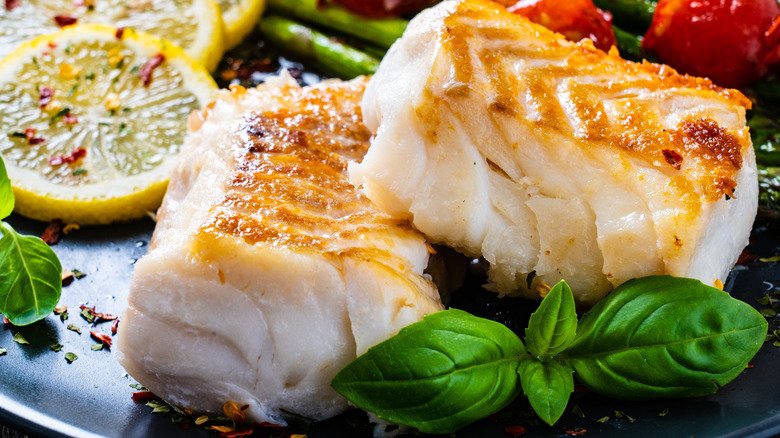

The presence of fish in Catholic practice is not coincidental. The fish symbol carries profound theological meaning in Christian history.
Jesus called his apostles “fishers of men.” He fed thousands of people with fish. Early Christians used the fish symbol, known in Greek as Ichthys, as a secret identifier. The Greek letters of the word spell out an acronym for “Jesus Christ, Son of God, Savior.”
Fish and Christianity have been intertwined since the very beginning of the faith. Eating fish on Fridays therefore carries both a penitential meaning and a symbolic connection to Christ himself.
Debunking the Pope and the Fishing Industry Myth
One of the most common misconceptions about Friday fish eating is the conspiracy theory that a medieval pope invented the practice to support the fishing industry.
This theory gets the history completely backwards. Scholars including Professor Michael P. Foley of Baylor University have pointed out that it was Friday abstinence that helped create and sustain the medieval fishing industry, not the other way around. The Church did not invent fish Fridays for economic reasons. The fishing industry grew in part because of an already existing religious practice.
There is little to no historical evidence supporting the idea that any pope colluded with fishermen or fish merchants to create or maintain the Friday abstinence rule.
Vatican II and the Changes to Friday Rules
The Second Vatican Council brought significant changes to Catholic practice in the 1960s. Before this, breaking Friday abstinence every week of the year was considered a potentially serious sin.
The Council and Pope Paul VI recognized that the focus on sin and legalistic observance had gone too far. The Church preserved mandatory abstinence on Ash Wednesday, Good Friday, and all Lenten Fridays. It relaxed the obligation for ordinary Fridays outside of Lent in many countries but maintained the expectation that Catholics would still observe some form of penance.
The result is that many Catholics today associate fish on Friday only with Lent. In reality, the tradition and the expectation of Friday penance remain alive for all Fridays of the year.
The Friday Fish Fry Tradition
Out of this religious discipline grew one of the most beloved Catholic community traditions in America: the Friday fish fry.
Parish fish fries during Lent have become major social and fundraising events across the United States. Catholic churches open their halls on Lenten Fridays to serve fried fish, coleslaw, and sides to their communities. These events combine the observance of abstinence with fellowship, fundraising, and community building.
What began as a simple act of penance has become a cultural institution that draws Catholics and non-Catholics alike. Many parishes use fish fry proceeds to fund local charitable work.
How the Rule Applies Globally
While the core rule is universal, its application varies by country. Here is how different regions observe it:
| Region | Friday Abstinence Rule |
|---|---|
| United States | Mandatory during Lent; other Fridays recommend abstinence or alternate penance |
| England and Wales | Mandatory meat abstinence restored on all Fridays of the year in 2011 |
| Scotland | All-year Friday abstinence observed |
| Most of Europe | Mandatory during Lent; alternate penances permitted outside Lent |
| Eastern Catholic Churches | Follow their own particular church’s discipline |
The 1983 Code of Canon Law gives bishops’ conferences authority to adjust the specific form of penance for their territories. This is why the rule looks slightly different around the world while the core principle remains the same.
Fasting vs. Abstinence: Understanding the Difference
These two terms are often used interchangeably but they are distinct practices.
Abstinence means refraining from eating meat. It applies to all Catholics aged 14 and older on designated days. There is no restriction on the number of meals or the amount of food eaten.
Fasting means reducing the amount of food consumed. On fast days, one full meal is allowed along with two smaller meals that together do not equal a full meal. Fasting binds Catholics between the ages of 18 and 59.
Ash Wednesday and Good Friday require both fasting and abstinence. All other Lenten Fridays require abstinence only. The two practices serve related but distinct spiritual purposes: abstinence is about sacrifice and remembrance, while fasting is about self-discipline and humility.
The Spiritual Purpose Behind the Practice
It is easy to see Friday fish eating as merely a food rule. The Church intends it as something much deeper.
Every Friday abstinence is meant to be a small participation in the suffering of Christ. It is a weekly act of solidarity with Jesus on the day he died. It is a reminder that Christians are called to carry their cross, not just on special occasions but every single week.
The Catechism of the Catholic Church explains in paragraph 2043 that abstaining from meat and fasting on the days established by the Church helps Catholics acquire mastery over their instincts and freedom of heart, preparing them spiritually for the liturgical feasts.
This practice is not about what you eat. It is about why you choose to eat differently.
What Happens If You Accidentally Eat Meat on a Friday During Lent?
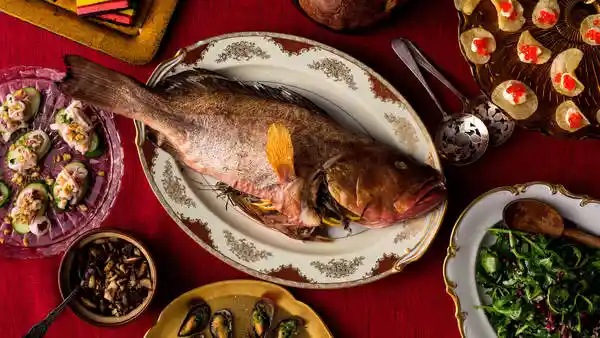

According to Catholic teaching, if you unintentionally consume meat on a day of abstinence, it is not considered a sin. Sin requires knowledge and intent. Accidental violations do not carry moral guilt.
If you realize mid-meal that you have eaten meat, finish the meal and be more mindful going forward. The practice is meant to cultivate spiritual discipline, not to create anxiety or scrupulosity.
Current Discussions in the Church: 2025 and 2026 Developments
There has been active discussion among Catholic bishops in the United States about potentially restoring mandatory all-year Friday abstinence from meat. Following a suggestion from an Eastern Rite bishop, more than a dozen US bishops expressed interest in the idea.
Several bishops told reporters they hope the US bishops will discuss restoring Friday abstinence as a year-round obligation, though many have indicated they would not want to return to the pre-Vatican II approach of treating violations as mortal sins.
This conversation reflects a renewed interest in traditional Catholic disciplines and a desire to strengthen the distinctive Catholic identity through shared penitential practices.
Summary: Key Points to Remember

The practice of Catholics eating fish on Friday is built on a solid foundation of theology, history, and law. Here are the most important points:
- Friday is the day Jesus died. Abstaining from meat is a weekly act of penance honoring that sacrifice.
- Fish is not considered “meat” in canonical terms because Canon Law defines meat as the flesh of warm-blooded land animals and birds only.
- The rule is binding on Catholics aged 14 and older during all Lenten Fridays.
- Ash Wednesday and Good Friday require both fasting and abstinence from meat.
- Outside of Lent, Friday remains a day of penance, with the form of that penance varying by country.
- The tradition dates back to the first century of Christianity.
- The myth that a pope invented this rule to help fishermen is historically false.
- Fish carries deep Christian symbolism, connected to Jesus’s ministry, the apostles, and the Ichthys symbol.
Frequently Asked Questions (FAQs)
Why do Catholics eat fish on Friday instead of just going meatless?
Catholics are not required to eat fish. The rule is to abstain from meat. Fish is simply the most common alternative, but vegetables, eggs, and dairy are equally acceptable.
Is the Friday fish rule only for Lent?
The mandatory rule covers all Lenten Fridays. Canon Law also calls for some form of penance on all Fridays of the year, though the specific form varies by country.
Why is chicken not allowed but fish is?
Chicken is a warm-blooded land animal. Canon Law defines prohibited “meat” as the flesh of warm-blooded land animals and birds. Fish are cold-blooded aquatic animals and fall outside this category.
Can Catholics eat shrimp, crab, or lobster on Lenten Fridays?
Yes. All seafood including shrimp, crab, lobster, clams, and oysters is permitted on Lenten Fridays because they are not classified as meat under Canon Law.
What age are Catholics required to follow the Friday fish rule?
Catholics aged 14 and older are required to abstain from meat on designated days. Children under 14 are not bound by this law.
Did a pope really invent fish Fridays to help the fishing industry?
No. This is a historically debunked myth. The medieval fishing industry actually grew in part because of the already existing Friday abstinence tradition, not the other way around.
What if a solemnity or holy day falls on a Friday during Lent?
If a solemnity falls on a Friday, the abstinence obligation is lifted for that day. However, this is rare during Lent. Good Friday is never dispensed.
Does eating fish on Friday have biblical roots?
Yes. Jesus fed multitudes with fish, called his apostles fishers of men, and the fish symbol Ichthys is rooted in early Christian Scripture. The Friday fast itself connects to the crucifixion accounts in all four Gospels.
Can Catholics eat meat on Fridays outside of Lent?
In most of the United States and many other countries, yes, as long as they observe some other form of penance. In England, Wales, and Scotland, Friday meat abstinence applies all year.
What is the difference between fasting and abstinence for Catholics?
Abstinence means no meat. Fasting means reducing total food intake to one full meal and two small meals. Ash Wednesday and Good Friday require both. Other Lenten Fridays require abstinence only.
Conclusion
Why do Catholics eat fish on Friday is a question with a rich, layered answer rooted in theology, canon law, history, and devotion. The practice is not an arbitrary food rule or a relic of a superstitious past. It is a living spiritual discipline that connects modern Catholics to the very first followers of Christ, who fasted on the day their Lord was crucified.
Every Friday fish meal, whether a simple tuna sandwich or an elaborate parish fish fry, is meant to be a quiet act of remembrance. It says that this day matters, that the death of Jesus matters, and that personal sacrifice still has spiritual meaning in everyday life.
In 2026, with the Church entering new territory under Pope Leo XIV and ongoing discussions about restoring year-round Friday abstinence, this ancient practice is more relevant and more discussed than it has been in decades. Understanding why Catholics eat fish on Friday helps us understand the heart of Catholic identity itself.