

Why are wasps so aggressive is one of the most searched insect questions every summer and fall. If you have ever been chased at a picnic, stung near a bush, or watched a wasp follow you across the garden, you already know this feeling.
Wasps are not mean for no reason. There is real science behind every sting and every chase. From nest protection to alarm pheromones to late-summer food desperation, wasps are driven by biological instincts that are hard-wired and highly predictable.
What Makes Wasps Different From Bees
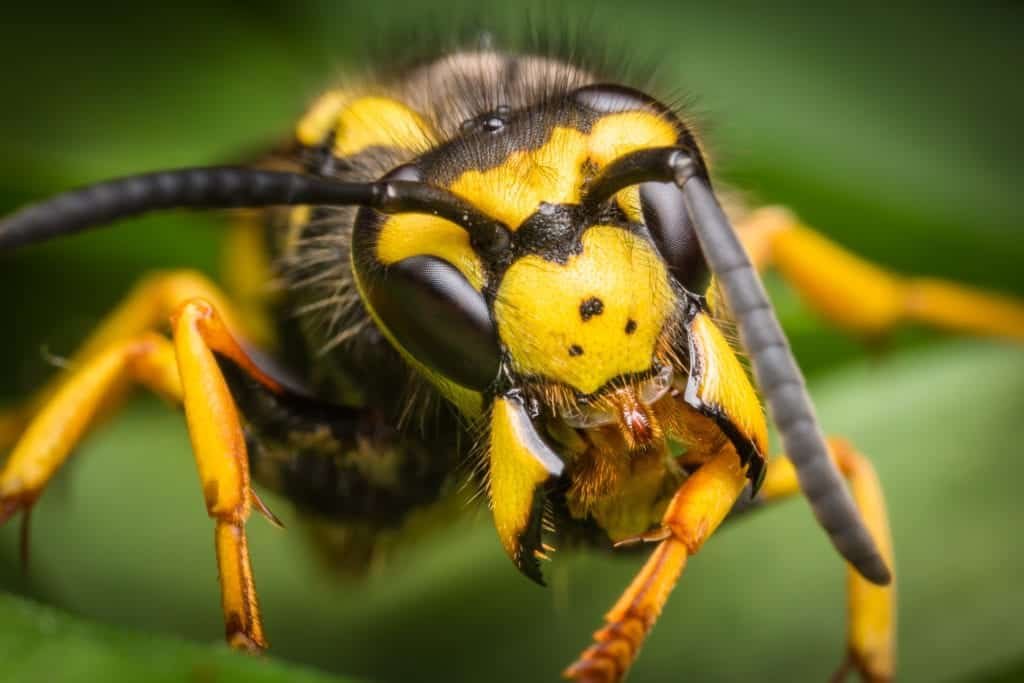

Before diving into why wasps are so aggressive, it helps to understand what separates them from bees. Most people group them together, but the two insects behave very differently.
Bees are mostly vegetarian. They collect pollen and nectar and return it to their hive. They sting only when they feel there is no other option, and honey bees die after a single sting because their barbed stinger tears away from their body.
Wasps are omnivores. They hunt other insects, scavenge meat, and pursue sugary foods and drinks. Unlike honey bees, wasps have smooth stingers and can sting repeatedly without dying. This single biological fact is one of the biggest reasons wasps appear far more aggressive than bees.
| Feature | Wasps | Honey Bees |
|---|---|---|
| Diet | Omnivore (insects + sugar) | Vegetarian (pollen + nectar) |
| Stinger type | Smooth – can sting multiple times | Barbed – dies after one sting |
| Colony size | Up to 5,000 (yellow jackets) | Up to 80,000 |
| Aggression level | High, especially in fall | Low, defensive only |
| Pheromone alarm | Yes, strong chemical signals | Yes, banana-scented chemical |
| Nest defence | Extremely vigorous | Vigorous near hive |
The 9 Real Reasons Why Wasps Are So Aggressive
1. Nest Protection Is Their Top Priority
The single most powerful driver of wasp aggression is the instinct to protect the nest. A wasp colony is a complex community built around one queen and thousands of workers. The nest represents the future of that entire colony.
Worker wasps are willing to sting repeatedly and sacrifice themselves to defend the nest. Any movement, vibration, or presence near a nest can be interpreted as a direct threat.
Wasps build nests in a surprising range of locations — underground, under roof eaves, inside wall cavities, in trees, and even inside garden sheds. Because these locations often sit close to areas where humans walk, garden, or relax, accidental confrontations are extremely common.
2. Alarm Pheromones Trigger a Chain Reaction
One of the most surprising and frightening reasons why wasps are so aggressive is their use of alarm pheromones. When a wasp is threatened or stings, it releases a chemical signal into the air that acts like a distress call to every nearby wasp.
Research published in the Journal of Hymenoptera Research confirms that social wasps use these species-specific pheromones to mark intruders for coordinated attack. The signal essentially tells every wasp in the area: attack this target now.
This is why swatting at a wasp is such a bad idea. You are unlikely to hit it, and the aggressive motion provokes a sting. If you do crush a wasp, it releases alarm pheromones that can trigger a swarm response from the entire colony. One confrontation very quickly becomes many.
3. Food Scarcity Makes Wasps Desperate in Late Summer and Fall
Wasps are noticeably more aggressive in late summer and autumn. This is not imagination — there is a clear biological reason behind it.
During spring and early summer, adult wasps feed larvae in the nest. The larvae produce a sweet liquid substance that the adults consume in return. This exchange keeps adult wasps well-fed and relatively calm. Worker wasps also have a ready supply of nectar from flowering plants.
When the queen stops laying eggs in late summer, this internal food supply disappears. At the same time, flowering plants die back and natural food sources shrink. A wasp colony of several thousand hungry individuals suddenly has very little to eat.
This desperation drives wasps to pursue human food and drink far more aggressively. Sugary drinks, barbecue meat, fruit, and anything protein-rich become prime targets. The wasps are not being mean — they are starving.
| Season | Wasp Behaviour | Aggression Level |
|---|---|---|
| Spring | Colony building, larvae feeding | Low |
| Early Summer | Active foraging, pest control | Low to Moderate |
| Late Summer | Food scarcity begins, large colonies | High |
| Autumn | Colony decline, queen survival focus | Very High |
| Winter | Colony dies, queen hibernates | None |
4. Queen Protection Triggers Extreme Defensiveness
In autumn, a wasp colony undergoes a profound shift. The queen — the only member of the colony likely to survive winter — becomes the single most important individual in the nest.
All worker activity pivots towards protecting her. Any perceived threat near the colony is treated as a potential threat to the queen’s survival. Workers will sting repeatedly and aggressively to keep the queen safe.
This heightened protectiveness, combined with the food scarcity described above, creates the perfect storm of wasp aggression that people experience at end-of-summer gatherings and outdoor events.
5. Wasps Are Strongly Territorial
Wasps are territorial creatures, particularly social species like yellow jackets and hornets. They actively defend not just the nest itself but a perimeter around it.
The size of this defended territory varies by species and colony size, but for large colonies it can extend several metres in every direction. Walking too close to a nest that you did not even know was there is enough to trigger a defensive response.
Solitary wasps are generally less territorial than social species, but even they will sting if they feel directly trapped or threatened. The territorial instinct is deeply embedded across most wasp species.
6. Vibrations and Loud Sounds Set Them Off
Wasps are highly sensitive to vibrations. This is why lawn mowing near a ground nest is one of the most common causes of unexpected wasp attacks. The vibration from the mower is interpreted as a direct threat by the colony.
Loud noises, heavy footsteps, slamming doors, and even power tools near a nest can trigger aggressive responses. Wasps living inside wall cavities or under decking are particularly prone to this, as vibrations travel through solid structures directly into their nest.
This sensitivity means that people are often completely unaware that their normal daily activity is being perceived as a threat by a nearby colony.
7. Swatting and Sudden Movements Provoke Them
One of the most counterproductive things a person can do near a wasp is swat at it. From the wasp’s perspective, a large, fast object moving towards it is a direct attack.
Sudden, erratic movements signal danger to a wasp. Standing still and calm is consistently the most effective approach when a wasp is investigating you. Most wasps that land on humans are simply looking for food or a resting spot. They will leave on their own within seconds if they are not threatened.
Swatting is doubly dangerous because if you crush the wasp, it releases alarm pheromones. As described above, those pheromones can turn a single curious wasp into an attacking swarm within seconds.
8. Certain Smells and Colours Attract and Agitate Them
Wasps navigate largely through smell and sight. Several common human habits accidentally attract or agitate them, making encounters far more likely.
Strong perfumes, scented lotions, floral-patterned clothing, and bright colours can all attract foraging wasps. Wasps perceive floral prints and vivid colours as potential food sources. Dark colours, on the other hand, can be perceived as a threatening animal such as a bear or badger — natural predators of nests.
The smell of sugary drinks, ripe fruit, meat on a barbecue, and even certain food packaging can draw wasps from a considerable distance. Once they arrive and feel their access to food is being blocked, aggression escalates quickly.
9. They Can Sting Without Dying — So They Have Nothing to Lose
This is perhaps the most important biological difference between wasps and bees when it comes to aggression levels. A honey bee that stings you also dies. Its barbed stinger is torn from its body along with part of its digestive tract.
A wasp faces no such consequence. Its smooth stinger allows it to sting repeatedly without self-harm. This means a wasp has no biological cost attached to stinging. It can sting you five, ten, or fifteen times in a single encounter if it considers you a threat.
This biological freedom makes wasps more willing to sting at lower thresholds of perceived danger. Where a honey bee might hesitate because stinging means death, a wasp has no such hesitation.
Why Are Yellow Jackets the Most Aggressive Wasps?
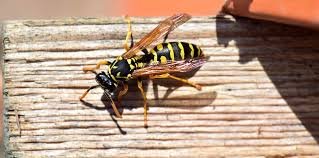

Among all wasp species, yellow jackets consistently earn the title of most aggressive. Understanding why helps explain a large proportion of the bad experiences people report with wasps.
Yellow jackets are social wasps that typically build large underground colonies containing up to 5,000 individuals. Their ground nests are easily disturbed by people walking over them, gardening, or mowing.
They are strongly attracted to human food — particularly sugary drinks and grilled meats — which brings them into frequent close contact with people. Unlike paper wasps, yellow jackets are known to attack even without provocation, making them unpredictable and particularly difficult to avoid.
They can also sense the alarm pheromones released by other nearby yellow jackets, meaning a single disturbed yellow jacket near its colony can mobilise hundreds of nestmates in seconds.
Wasp Aggression by Species: A Comparison
Not all wasps are equally aggressive. Understanding the differences between common species helps you assess risk more accurately.
| Wasp Species | Aggression Level | Nest Location | Colony Size | Key Behaviour |
|---|---|---|---|---|
| Yellow Jacket | Very High | Underground, walls | Up to 5,000 | Unprovoked attacks, food-driven |
| Bald-faced Hornet | High | Trees, shrubs | Up to 700 | Aggressive nest defence, painful sting |
| Paper Wasp | Moderate | Eaves, fences | 20–75 | Defensive only, umbrella-shaped nest |
| European Hornet | Moderate–High | Tree hollows, lofts | Up to 400 | Nocturnal, defensive near nest |
| Mud Dauber | Very Low | Mud tubes on walls | Solitary | Rarely stings, hunts spiders |
| Cicada Killer | Very Low | Underground burrows | Solitary | Intimidating size, very docile |
Paper wasps and mud daubers are generally calm and will only sting if directly handled or if their nest is disturbed. Yellow jackets and bald-faced hornets are the species most likely to deliver unprovoked or disproportionate stings.
Why Are Wasps So Aggressive at Picnics and Barbecues?
Outdoor eating events are prime wasp encounter zones, and there are very specific reasons for this. In late summer, when wasp aggression peaks, colonies are at their largest and food sources are becoming scarce.
The smell of grilled meat, sugary sauces, fizzy drinks, and fruit attracts foraging wasps from a significant distance. Once wasps locate a food source, they also use chemical trails to communicate its location to other colony members.
When a wasp lands on your food or drink and you attempt to brush it away or shoo it off, you are triggering its threat response. From the wasp’s perspective, a large creature is trying to take away its food.
Covering food, keeping drinks sealed, and disposing of rubbish quickly are the most effective measures for reducing wasp activity at outdoor events.
Why Are Wasps So Aggressive When You Kill One?
Many people notice that killing a wasp near a colony seems to make the surrounding wasps angrier. This is not coincidence — it is the alarm pheromone system at work.
When a wasp is crushed or killed, it releases chemical distress signals into the air. These alarm pheromones travel rapidly and alert every nearby wasp that something dangerous is happening. The colony mobilises immediately.
Research by Simon Fraser University published in the Journal of Hymenoptera Research showed that social wasps use these chemical signals to mark targets for coordinated attack. The marked target — which may now be you — becomes the focus of defensive aggression from multiple wasps simultaneously.
This is why pest control professionals always recommend avoiding crushing wasps and never attempting to deal with a large nest through physical destruction without professional equipment and protective clothing.
Do Wasps Remember Faces? Can They Hold Grudges?
This is a genuinely interesting question that comes up frequently. Some wasp species — particularly paper wasps — do have a limited capacity for facial recognition within their own colony. Research from the University of Michigan showed that paper wasps could distinguish the faces of their nestmates.
However, this ability is used for internal colony communication, not for targeting humans. Wasps cannot identify you personally and do not hold individual grudges.
What they can do is respond to consistent signals. If you are wearing the same clothing, using the same perfume, or approaching from the same direction repeatedly, and that approach has previously triggered a threat response, the colony will react each time.
The real danger is not memory — it is the fact that a single wasp can alert the whole colony through alarm pheromones, making it seem like the group is targeting you specifically.
Are Wasps Actually Useful? Why We Should Not Hate Them
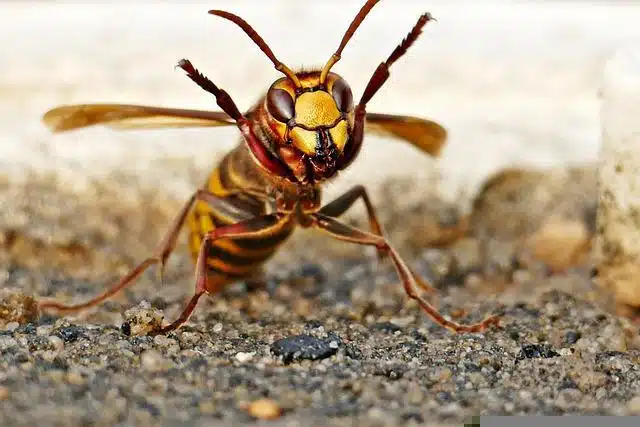

Despite their fearsome reputation, wasps are genuinely valuable members of the ecosystem. Understanding their role makes it easier to manage them calmly rather than panic.
During spring and early summer, worker wasps function as highly effective pest controllers. A single wasp colony can eliminate thousands of caterpillars, flies, grubs, crickets, and other garden pests over the course of a season. They carry dead insects back to the nest to feed the developing larvae.
Wasps also contribute to pollination, though less efficiently than bees. Some plant species are partially or primarily pollinated by wasps. They also perform clean-up roles in ecosystems, removing decaying organic matter.
The aggression that earns them such a bad reputation is, at its core, a survival mechanism. They are not malicious. They are protective, hungry, and responding to signals that evolution has programmed into them over millions of years.
How to Avoid Wasp Aggression: Practical Tips
Understanding why wasps are so aggressive also gives you a clear set of practical strategies for avoiding their attention.
At outdoor events: Cover all food and drinks when not consuming them. Dispose of waste quickly in sealed bins. Avoid eating sweet foods or drinking from open cans in areas where wasps are active.
In the garden: Check for nests regularly, especially in late summer. Common locations include underground near tree roots, under eaves and decking, inside garden sheds, and in dense hedges.
Personal habits: Avoid wearing floral prints or very bright colours in areas with high wasp activity. Skip heavy perfumes, scented lotions, and fragrances when spending time outside during peak wasp season.
When a wasp approaches: Stay completely still. Do not swat. Do not blow air at it. Allow it to investigate and move on. If it lands on you, wait calmly or very slowly and gently move it away with a flat object.
Near a nest: Give it a wide berth. Do not spray water, attempt to knock it down, or disturb it in any way. Contact a professional pest controller for safe removal.
What Happens to Wasps in Winter?
After autumn, wasp colonies naturally decline. When temperatures drop, worker wasps and male drones die off. The colony effectively comes to an end.
Only the fertilised queen survives. She hibernates in sheltered locations — under bark, in soil, in wall cavities — through the winter months. In severe cold, even the queen may not survive.
When spring arrives, the surviving queen emerges and begins building an entirely new nest from scratch. She lays the first batch of eggs alone, caring for them until the first generation of workers matures and takes over colony duties.
This means that every wasp nest you see is a brand new structure built in that same year. Last year’s wasps are gone. The cycle begins again each spring.
When Wasp Stings Become a Medical Concern

For most people, a wasp sting causes immediate sharp pain, localised swelling, and redness that fades within a few hours. This is a normal reaction and does not require medical attention beyond basic first aid.
However, for people with allergies to wasp venom, a sting can trigger anaphylaxis — a severe, life-threatening allergic reaction. Approximately 3% of adults and 1% of children experience severe allergic reactions to insect stings.
Warning signs of anaphylaxis include difficulty breathing, swelling of the throat or tongue, rapid heartbeat, dizziness, and a sudden drop in blood pressure. This is a medical emergency requiring immediate treatment with an epinephrine auto-injector and emergency services.
Multiple stings, even without a known allergy, can cause serious reactions due to the cumulative volume of venom. Children and elderly individuals are particularly vulnerable.
Frequently Asked Questions (FAQs)
Q1. Why are wasps so aggressive compared to bees?
Wasps can sting repeatedly without dying, which removes the biological cost of stinging. They are also omnivores competing for food, which makes them more assertive around humans and outdoor eating areas.
Q2. Why are wasps more aggressive in late summer and fall?
In autumn, colonies are at peak size and natural food sources dry up. Wasps become desperate for sugar and protein, and they shift focus to protecting the queen, creating the peak aggression period most people experience.
Q3. Why do wasps get more aggressive when you swat at them?
Swatting is interpreted as a direct attack. If you crush a wasp, it releases alarm pheromones that signal danger to nearby colony members, rapidly escalating a single wasp encounter into a group attack.
Q4. Can wasps sting you multiple times?
Yes. Unlike honey bees, wasps have smooth stingers and suffer no physical harm from stinging. A single wasp can sting you repeatedly in one encounter.
Q5. What is the most aggressive type of wasp?
Yellow jackets are consistently the most aggressive species. They have large colonies, build ground nests that are easily disturbed, and are attracted to human food, making unprovoked encounters very common.
Q6. Do wasps attack for no reason?
No, wasps always have a reason — they just operate on signals that humans often cannot detect. Proximity to a nest, certain smells, alarm pheromones from a nearby wasp, or sudden movements can all trigger a response.
Q7. What smells make wasps more aggressive?
Alarm pheromones released by a threatened wasp are the most direct trigger. Strong perfumes, meat smells, sugary drinks, and even certain floral fragrances can also attract wasps and increase the likelihood of aggressive encounters.
Q8. Why do wasps follow you when you run?
Running triggers the wasp’s pursuit instinct. Wasps are programmed to chase moving threats away from their colony. The best response is to move away calmly and steadily, not to run or flail.
Q9. Are wasps beneficial despite being aggressive?
Yes. Wasps are important pest controllers that eliminate thousands of harmful insects per season. They also contribute to pollination and help decompose organic matter, making them genuinely valuable to the ecosystem.
Q10. How can you stop wasps from being aggressive at a picnic?
Cover food and drinks at all times, dispose of waste quickly in sealed bins, and avoid wearing floral prints or strong perfume. If a wasp approaches, stay still and allow it to leave on its own.
Conclusion
Why are wasps so aggressive is a question with a surprisingly scientific and sympathetic answer. These insects are not villains — they are highly evolved survivors running on biological programming that kicks in hardest when they are hungry, threatened, or protecting their queen.
The alarm pheromone system, the late-summer food crisis, the desperate protection of the colony, the lack of any cost to stinging — all of these factors combine into the behaviour that terrifies people at barbecues and garden parties every year.
Now that you understand the real reasons behind wasp aggression, you are better equipped to stay calm, take practical precautions, and coexist with one of nature’s most misunderstood insects. Respect their space and they will almost always leave you alone.