

Why am I suddenly getting ocular migraines is one of the most searched health questions in 2026, and if you are experiencing it, you are not alone.
Ocular migraines cause sudden visual disturbances including zigzag lines, flashing lights, and temporary blind spots that can be alarming and disruptive.
They can strike without warning and, when they start happening daily, they signal that something in your lifestyle, body, or environment has shifted.
What Is an Ocular Migraine?
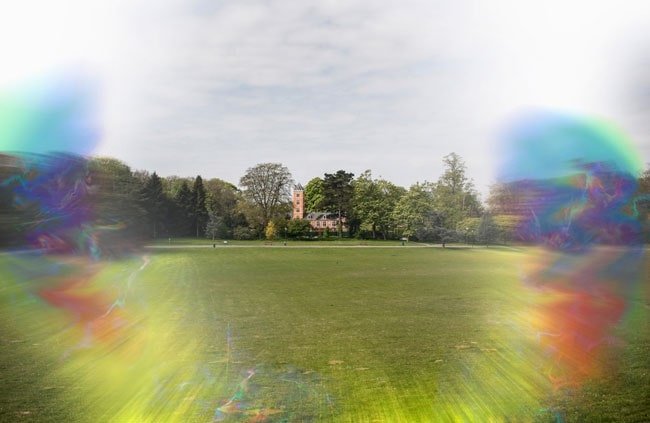

Why am I suddenly getting ocular migraines is a question that starts with understanding what they actually are. An ocular migraine is a temporary visual disturbance that can affect one or both eyes and may or may not be accompanied by a headache.
They are sometimes called retinal migraines, ophthalmic migraines, or migraine with aura, though these terms are not always used interchangeably by medical professionals. The visual symptoms typically last anywhere from a few minutes to an hour.
The key distinction is that ocular migraines are neurological and vascular in origin. They are not a problem with your eyes themselves but rather a problem with the nerves and blood vessels connected to visual processing in the brain and retina.
Ocular Migraine vs Migraine with Aura vs Retinal Migraine
Many people confuse these three terms. Here is a clear breakdown:
| Type | Affects | Duration | Headache? |
|---|---|---|---|
| Migraine with Aura | Both eyes | 20 to 60 minutes | Usually yes |
| Ocular Migraine | Both eyes (neurological) | 20 to 60 minutes | Sometimes |
| Retinal Migraine | One eye only | Under 60 minutes | Usually yes |
Retinal migraine is the most serious type and involves temporary vision loss or blindness in just one eye. If you are experiencing vision loss in only one eye, you should see a doctor as soon as possible because this can occasionally be linked to more serious vascular conditions.
What Does an Ocular Migraine Look and Feel Like?
The visual symptoms of an ocular migraine are hard to miss. They are often described as a light show that you cannot turn off.
Common visual symptoms include zigzag or arc-shaped lines, shimmering or flickering lights, blind spots or scotomas in the center or edges of vision, pulsing or flashing lights, and tunnel vision. Some people describe seeing a crescent-shaped halo or a kaleidoscope effect.
One of the most distinctive features is that the visual disturbances persist even when you close your eyes. This is because the disturbance is neurological, originating in the brain’s visual cortex or the retina’s blood vessels, not from external light entering the eye.
How Long Do Ocular Migraines Last?
Most ocular migraines last between 20 and 60 minutes. In most cases the visual disturbances resolve completely on their own without any lasting damage to vision.
If visual symptoms last longer than one hour, this is considered a red flag and warrants immediate medical attention. Prolonged visual disturbances can sometimes indicate a stroke, transient ischemic attack, or retinal detachment.
Episodes that resolve in under an hour and then return to normal vision are typical of the condition. However, when they start happening daily, something is driving the increased frequency that needs to be identified.
What Causes Ocular Migraines?
The underlying cause of ocular migraines involves abnormal electrical activity in the brain called cortical spreading depression. This wave of electrical activity starts in the occipital lobe, the visual processing center at the back of the brain, and spreads slowly across the cortex.
Another leading theory is that blood vessel spasms in the retina reduce blood flow temporarily, causing the visual disturbance. Some experts believe both mechanisms contribute depending on the individual.
The exact cause is still not fully understood, but what is well established is that certain triggers reliably provoke episodes in susceptible individuals. Genetics also play a role as migraines run in families and people with a family history of migraines are more likely to experience them.
Why Am I Suddenly Getting Ocular Migraines? The 12 Most Common Reasons
If you are asking why am I suddenly getting ocular migraines every day, something in your life has recently changed. Here are the twelve most common culprits:
Stress and Anxiety


Stress is the single most common trigger for ocular migraines. The American Psychological Association reports that more than three quarters of adults experience stress-related migraine symptoms.
When you are under psychological stress, the body releases hormones like cortisol and adrenaline that affect blood vessel behavior and nervous system signaling. This can directly trigger a migraine episode in susceptible people.
If your work has become more demanding, a major life event has occurred, or your anxiety levels have increased recently, this is almost certainly contributing to the sudden frequency of your ocular migraines.
Hormonal Changes
Fluctuations in estrogen are one of the leading causes of sudden increases in ocular migraine frequency in women. This includes changes related to the menstrual cycle, perimenopause, menopause, pregnancy, and starting or stopping hormonal contraceptives.
Research shows that up to 75 percent of women with migraines experience increased episodes around their menstrual cycle due to drops in estrogen. If you recently changed your birth control pill, had an IUD inserted, or entered a new phase of your hormonal cycle, this is a very likely explanation.
Men can also experience hormonal shifts related to testosterone levels, thyroid function, and cortisol, all of which can influence migraine frequency.
Dehydration
Dehydration is a frequently underestimated migraine trigger. Even mild fluid deficit, before you actually feel thirsty, can affect blood flow to the brain and eyes, lowering the threshold for a migraine episode.
Alcohol, caffeine, hot weather, and intense exercise all accelerate dehydration. If your daily water intake has dropped or you have been drinking more coffee or alcohol lately, this is a likely contributor.
The solution is straightforward: aim for at least 8 cups of water daily and reduce or eliminate alcohol and excessive caffeine while tracking whether migraine frequency improves.
Screen Time and Eye Strain
Prolonged screen time is one of the most significant modern contributors to ocular migraines. Staring at digital screens for hours without breaks causes visual fatigue, reduces blinking frequency, and triggers electrical changes in the visual cortex.
Blue light emitted by phones, tablets, and monitors can also disrupt circadian rhythms and sleep quality, which indirectly increases migraine risk. If you have recently started a new remote work arrangement, increased gaming, or spend more time on devices, screen time is a strong suspect.
The 20-20-20 rule is widely recommended: every 20 minutes, look at something 20 feet away for 20 seconds. Anti-glare screen filters and blue-light blocking glasses can also help reduce the visual load.
Sleep Disruption
Both too little and too much sleep can trigger migraines. Irregular sleep schedules disrupt the brain’s neurochemical balance and lower the threshold for an episode.
Shift workers, new parents, and people dealing with insomnia are at significantly higher risk. If your sleep patterns have become inconsistent or you have been sleeping fewer than 7 hours per night, this directly impacts migraine frequency.
Aim for 7 to 9 hours of consistent, quality sleep. Going to bed and waking at the same time every day, including weekends, is one of the most effective lifestyle interventions for reducing migraine frequency.
Dietary Triggers


Certain foods and beverages are well-documented migraine triggers for many people. The most common include red wine, aged cheeses, chocolate, processed meats containing nitrates, foods with MSG, artificial sweeteners like aspartame, and foods high in tyramine.
Skipping meals or long periods without eating causes blood sugar drops (hypoglycemia) that directly provoke migraines. If you have changed your diet recently, started intermittent fasting, or are eating more processed foods, this could explain a sudden increase.
Keeping a food diary in which you record everything eaten in the 24 hours before each episode is the most reliable way to identify personal dietary triggers, since they vary considerably from person to person.
Caffeine
Caffeine has a paradoxical relationship with migraines. In small doses, it can help relieve a migraine because it constricts blood vessels. However, daily caffeine use in large amounts can trigger rebound migraines when the caffeine wears off.
This is known as caffeine withdrawal migraine and it is surprisingly common in regular coffee drinkers. If you have started drinking more coffee or energy drinks, or if you sometimes skip your morning coffee and notice a migraine, caffeine dependence may be driving daily episodes.
Gradually reducing caffeine intake over 2 to 4 weeks rather than quitting abruptly is the recommended approach to break the cycle without provoking severe withdrawal headaches.
Bright Lights and Visual Stimuli
Exposure to bright, flashing, or flickering lights is a powerful trigger for ocular migraines. This includes fluorescent office lighting, direct sunlight without eye protection, strobe lighting in clubs or at events, and high-contrast visual environments.
Glare from screens and windows can also contribute. Photosensitivity is often heightened in people prone to migraines, meaning that light which seems normal to others can be intensely stimulating to the visual cortex of a migraine-prone individual.
Wearing polarized sunglasses outdoors, using anti-glare screen filters, adjusting office or home lighting to warmer and softer tones, and using screen brightness settings thoughtfully can all reduce light-related trigger exposure.
High Blood Pressure
Elevated blood pressure increases the risk of ocular migraines by affecting blood flow to the eyes and brain. Hypertension puts stress on blood vessels, including the delicate ones supplying the retina, making vasospasm more likely.
If you have not had your blood pressure checked recently and are suddenly getting daily ocular migraines, this is one of the first things to rule out with your doctor. Many people with high blood pressure have no other symptoms until they develop a migraine or more serious event.
Managing blood pressure through diet, exercise, stress reduction, and medication if prescribed is an important part of managing migraine frequency for people in this category.
Changes in Weather and Barometric Pressure
Shifts in weather, particularly changes in barometric pressure, are a recognized migraine trigger. Many people notice their migraines increase before a storm, during temperature extremes, or when traveling to high altitudes.
The mechanism is believed to involve changes in oxygen levels and pressure differentials that affect the brain’s blood vessels. While you cannot control the weather, identifying this as a trigger helps you anticipate and prepare for high-risk days.
During weather-related high-risk periods, being especially vigilant about hydration, sleep, and stress management can reduce the likelihood of a full ocular migraine episode.
Medications and Medication Overuse
Some medications can trigger or worsen migraines. These include certain oral contraceptives, vasodilators, blood pressure medications, and even some antidepressants.
Equally important is medication overuse headache, sometimes called rebound headache. This occurs when pain relief medications such as ibuprofen, aspirin, acetaminophen, or triptans are taken more than 10 to 15 days per month. The brain adapts to the medication and begins triggering migraines when the drug level drops.
If you have started a new medication recently, or if you have been taking pain relievers frequently for headaches, discuss this cycle with your doctor. Breaking medication overuse requires a supervised, gradual reduction plan.
Age-Related Changes and New Diagnosis


Some people develop ocular migraines for the first time in their 30s, 40s, or even 50s, even if they never had migraines before. Age-related changes in blood vessel elasticity, hormonal shifts, and neurological sensitivity all play a role.
The American Optometric Association notes that ocular migraines are most common in people aged 30 to 39. If you are in a new life stage, have recently gone through menopause, or have a new health diagnosis such as hypertension or an autoimmune condition, these changes may be the explanation.
A new onset of daily ocular migraines in someone who never had them before always warrants a medical evaluation to rule out underlying conditions.
Common Triggers Quick Reference Table
| Trigger Category | Specific Examples | How to Address It |
|---|---|---|
| Stress | Work pressure, life events, anxiety | Meditation, yoga, therapy, exercise |
| Hormones | Menstruation, menopause, birth control | Track cycle, discuss with doctor |
| Dehydration | Low water intake, alcohol, caffeine | Drink 8+ cups of water daily |
| Screen time | Long device use, blue light exposure | 20-20-20 rule, anti-glare filters |
| Sleep | Irregular schedule, under 7 hours | Set consistent sleep and wake times |
| Diet | Aged cheese, red wine, MSG, skipped meals | Food diary, avoid known triggers |
| Caffeine | Daily excess coffee, energy drinks | Gradual reduction over 2-4 weeks |
| Light | Fluorescent lights, sun glare, screens | Sunglasses, dimmer lighting |
| Blood pressure | Unmanaged hypertension | Check BP regularly, manage with doctor |
| Weather | Barometric pressure changes | Monitor forecasts, stay hydrated |
| Medications | OCP, vasodilators, pain reliever overuse | Review with prescribing doctor |
| Age and health | New diagnosis, hormonal stage changes | Comprehensive medical evaluation |
Who Is Most at Risk?
Ocular migraines are more common in certain groups. Women are significantly more affected than men, largely due to estrogen fluctuations throughout life.
People with a personal or family history of migraines are at higher risk. Those with certain health conditions, including lupus, antiphospholipid syndrome, sickle cell disease, and cardiovascular conditions, are also more susceptible.
Smokers face elevated risk because cigarette smoke, including second-hand exposure, triggers vasospasm. People who are sedentary, sleep-deprived, or chronically dehydrated are also more vulnerable to increased frequency.
When Should You Be Worried?
Not all sudden visual disturbances are ocular migraines. There are situations where you must seek emergency medical care immediately.
Get emergency help if visual symptoms occur in only one eye and do not resolve within an hour, if you also experience weakness or numbness on one side of the body, if you have difficulty speaking or understanding speech, if you have a severe thunderclap headache that comes on instantly, or if you experience confusion or loss of consciousness.
These symptoms can indicate a stroke, transient ischemic attack, retinal detachment, or retinal artery occlusion, all of which are medical emergencies. Never assume that one-sided sudden vision loss is just an ocular migraine without professional evaluation.
Symptoms That Are Normal vs Red Flags
| Normal Ocular Migraine | Red Flag Symptoms |
|---|---|
| Affects both eyes | Affects only one eye |
| Resolves within 60 minutes | Lasts longer than 1 hour |
| No weakness or speech problems | Accompanied by facial drooping |
| Vision returns completely | Permanent vision change after episode |
| No loss of consciousness | Confusion or fainting |
| Prior history of similar episodes | First-ever episode in older adult |
| Gradual onset of visual disturbance | Sudden blackout in one eye |
How Are Ocular Migraines Diagnosed?
There is no single definitive test for ocular migraines. Diagnosis is primarily clinical, meaning it is based on your symptom history and ruling out other causes.
Your doctor will review your medical and family history, ask about the frequency, duration, and pattern of your visual episodes, and may conduct a comprehensive eye examination with dilation. They may also check your blood pressure, order blood tests, and in some cases request an MRI or CT scan to rule out neurological causes.
Keeping a detailed migraine diary before your appointment, noting dates, times, duration, what you were doing, what you ate, and any associated symptoms, will make your evaluation much more efficient and productive.
How to Keep an Effective Migraine Diary
A migraine diary is one of the most powerful tools for identifying your specific triggers. Here is what to record for each episode:
- Date and time of onset
- Duration of the episode
- Visual symptoms experienced
- Presence or absence of headache
- Stress level that day (rate 1 to 10)
- Hours of sleep the night before
- All food and drinks in the previous 24 hours
- Medications taken
- Physical activity level
- Weather and environmental conditions
- Hormonal cycle day (for women)
- Screen time in the previous 12 hours
After tracking for 4 to 6 weeks, patterns almost always emerge. You will begin to see which combination of factors reliably precedes your episodes and can start modifying them systematically.
Treatment Options for Ocular Migraines
Treatment depends on how frequently you are getting ocular migraines and whether they significantly affect your quality of life.
For infrequent episodes, the approach is to stop what you are doing, rest your eyes in a quiet and darkened room, apply a cold compress to your forehead, stay hydrated, and take an over-the-counter pain reliever such as ibuprofen or acetaminophen if a headache develops.
For frequent or daily ocular migraines, your doctor may consider preventive medications. These include calcium channel blockers such as verapamil, beta blockers, antiepileptic medications such as topiramate, and tricyclic antidepressants. Triptans are sometimes used to stop an active episode.
Summary of Treatment Approaches
| Frequency | Approach |
|---|---|
| Rare (less than once a month) | Rest, dark room, cold compress, OTC pain relief |
| Occasional (once to three times per month) | Trigger identification, lifestyle changes |
| Frequent (more than once per week) | Doctor consultation, preventive medication |
| Daily | Urgent evaluation, potential neurological referral |
Lifestyle Changes That Reduce Ocular Migraine Frequency
The most powerful and lasting treatment for ocular migraines is lifestyle modification. These changes address the root triggers rather than just managing symptoms after they appear.
Establish a consistent sleep schedule and protect 7 to 9 hours of sleep every night. Sleep deprivation and irregular schedules are among the most reliable migraine triggers and the most controllable.
Stay consistently hydrated throughout the day, not just when you feel thirsty. Keep a water bottle with you and track your intake. Limit or eliminate alcohol and reduce caffeine intake gradually.
Exercise regularly at moderate intensity. Studies show that aerobic exercise performed at least three times per week significantly reduces migraine frequency in many people. Avoid sudden very intense exercise which can occasionally trigger an episode.
Practice daily stress reduction through meditation, deep breathing, progressive muscle relaxation, or yoga. Even 10 minutes per day of mindfulness practice has measurable effects on migraine frequency for regular practitioners.
The 20-20-20 Rule for Screen Users
If screen time is a significant part of your life, the 20-20-20 rule is one of the simplest and most effective interventions. Every 20 minutes, look at something at least 20 feet away for at least 20 seconds.
This breaks the sustained visual lock that strains the visual cortex and retinal blood vessels. Pairing this with conscious blinking exercises, reducing screen brightness, enabling night mode or warm color temperature settings, and using anti-glare screen protectors creates a comprehensive screen hygiene routine.
Consider also whether you need an updated prescription. Many people experience increased migraine frequency simply because their vision correction is outdated and their eyes are constantly working harder than they need to.
Diet Changes That Help Prevent Ocular Migraines
A migraine-conscious diet does not have to be restrictive. The key is identifying your personal triggers and maintaining consistent blood sugar levels throughout the day.
Avoid skipping meals. Eat at regular intervals to keep blood sugar stable. If you know that aged cheese, red wine, processed meats, chocolate, or MSG reliably precede your episodes, eliminate them from your routine and reintroduce them one at a time after a migraine-free period to confirm the connection.
Foods that may actually help reduce migraine frequency include magnesium-rich foods like leafy greens, nuts, seeds, and whole grains. Magnesium deficiency is strongly linked to migraine tendency and many neurologists recommend magnesium supplementation (typically 400 to 600 mg daily) for migraine prevention.
Magnesium and Supplements for Migraine Prevention
Magnesium deficiency is one of the most well-supported nutritional factors in migraine research. Studies have consistently found lower magnesium levels in people who experience frequent migraines compared to those who do not.
Magnesium supplements, particularly magnesium glycinate or magnesium citrate for better absorption, are widely recommended as a first-line preventive supplement. Results typically develop over 3 months of consistent use.
Riboflavin (vitamin B2) at 400 mg daily and CoQ10 are two other supplements with reasonable evidence for reducing migraine frequency. Always discuss supplementation with your doctor before starting, especially if you are taking other medications.
What to Do When an Ocular Migraine Starts
When you feel an ocular migraine coming on, acting quickly can reduce its intensity and duration. The first step is to stop whatever you are doing immediately.
If you are driving, pull over safely and wait until your vision fully returns before continuing. Never continue driving during a visual disturbance, as the affected vision makes it dangerous and potentially illegal.
Move to a quiet, dark room and lie down or sit comfortably. Close your eyes and apply a cold or warm compress to your forehead or the back of your neck. Drink a glass of water. If a headache develops, take your usual over-the-counter pain reliever.
Immediate Response Plan for an Episode
- Stop all activities immediately
- Do not drive or operate machinery
- Move to a dark, quiet environment
- Close your eyes and rest
- Apply a cold compress to forehead
- Drink water slowly
- Breathe deeply and reduce stimulation
- Take OTC pain relief if a headache develops
- Note the time, triggers, and symptoms in your diary
- Contact a doctor if symptoms last more than 60 minutes
Ocular Migraines During Pregnancy
Pregnancy introduces significant hormonal changes that can trigger ocular migraines in women who never had them before. The first trimester drop in estrogen is a common precipitant.
Many medications used for migraine prevention are not safe in pregnancy. If you are pregnant and suddenly getting ocular migraines, it is essential to speak with your OB-GYN before taking any medication, including over-the-counter pain relievers.
Safe options during pregnancy typically include rest, hydration, cold compresses, avoiding triggers, and certain forms of magnesium supplementation with medical supervision. Some women find that migraines actually improve in the second trimester as hormone levels stabilize.
Ocular Migraines in Children and Teenagers
While ocular migraines are most common in adults aged 30 to 39, they do occur in children and teenagers. In younger people, screen time, academic stress, poor sleep, skipped meals, and dehydration are the most common triggers.
Children may have difficulty describing their symptoms accurately, sometimes reporting blurry vision, kaleidoscope effects, or difficulty seeing the board at school. A comprehensive eye examination is important to rule out refractive errors and other eye conditions before attributing symptoms to migraine.
If a child or teenager begins experiencing regular visual disturbances, a pediatric neurologist or ophthalmologist evaluation is recommended to ensure appropriate diagnosis and management.
Can Ocular Migraines Cause Permanent Vision Damage?
In the vast majority of cases, ocular migraines cause no lasting damage to vision. Episodes resolve completely and vision returns to normal.
However, retinal migraines, the type that affects only one eye, carry a small but real risk of permanent vision loss if vasospasm is severe or prolonged. This is why vision loss in a single eye should always be evaluated urgently.
There is also a long-term risk called persistent visual snow or visual snow syndrome, where some migraine sufferers develop ongoing visual disturbances that do not fully resolve between episodes. This is uncommon but it underscores the importance of managing frequent migraines proactively rather than ignoring them.
When to See a Doctor
You should make an appointment with your doctor when ocular migraines are happening more than once a month, when they are interfering with driving, work, or daily activities, when they are increasing in frequency or severity, when they do not resolve within one hour, or when you have never had them before and are over 50.
You should go to the emergency room immediately if you experience sudden vision loss in one eye that does not resolve, visual symptoms accompanied by one-sided weakness or facial drooping, speech difficulty or confusion, or a thunderclap headache.
Even if your episodes seem mild and typical, a proper evaluation gives you a confirmed diagnosis, rules out more serious causes, and opens access to preventive treatments that can dramatically improve your quality of life.
Frequently Asked Questions (FAQs)
Q1. Why am I suddenly getting ocular migraines every day?
Daily ocular migraines usually signal a new or intensified trigger such as stress, hormonal changes, dehydration, increased screen time, or a change in medication. Keeping a migraine diary helps identify the pattern quickly.
Q2. Are ocular migraines dangerous?
Most ocular migraines are harmless and resolve on their own within an hour. However, vision loss in one eye only, symptoms lasting more than an hour, or symptoms accompanied by weakness or speech problems require emergency evaluation.
Q3. How long do ocular migraines last?
Ocular migraines typically last between 20 and 60 minutes. If your visual disturbances last longer than one hour, contact a doctor immediately as this is outside the normal range.
Q4. Can stress cause sudden daily ocular migraines?
Yes, stress is the most common trigger for ocular migraines. It affects blood vessel behavior and nervous system signaling in ways that directly lower the migraine threshold and can cause daily episodes.
Q5. Can dehydration cause ocular migraines?
Yes, even mild dehydration reduces blood flow to the brain and eyes, making an ocular migraine episode more likely. Drinking at least 8 cups of water daily is one of the simplest preventive measures.
Q6. Do screens cause ocular migraines?
Prolonged screen time is a recognized trigger because it causes visual fatigue, eye strain, and changes in the visual cortex. Applying the 20-20-20 rule and using anti-glare filters significantly reduces this risk.
Q7. Can hormonal changes cause sudden ocular migraines?
Yes, drops in estrogen during menstruation, menopause, or following a change in hormonal contraception are among the most common causes of new or suddenly worsening ocular migraines in women.
Q8. What foods trigger ocular migraines?
Common dietary triggers include red wine, aged cheeses, chocolate, processed meats with nitrates, MSG, artificial sweeteners, and skipping meals. Triggers vary per individual so a food diary is the best tool.
Q9. What medications help prevent ocular migraines?
Preventive medications include calcium channel blockers such as verapamil, beta blockers, tricyclic antidepressants, and antiepileptics like topiramate. These are prescribed for frequent or debilitating episodes and require a doctor’s guidance.
Q10. Should I go to the ER for an ocular migraine?
Go to the ER if you experience vision loss in one eye that does not resolve within an hour, or if you have weakness, facial drooping, confusion, or speech difficulties alongside your visual symptoms, as these may indicate a stroke or retinal emergency.
Conclusion
Why am I suddenly getting ocular migraines is a question with real, identifiable answers, and more importantly, real solutions.
In most cases, a combination of new or intensified triggers, including stress, hormonal shifts, screen time, dehydration, poor sleep, or dietary changes, is driving the sudden increase in frequency.
The good news is that the majority of these triggers are manageable with thoughtful lifestyle changes, proper medical evaluation, and consistent daily habits.
Start with a migraine diary, address the most obvious lifestyle contributors, and book an appointment with your doctor to rule out any underlying conditions.
With the right approach, daily ocular migraines can be significantly reduced or eliminated entirely, and your vision and quality of life can return to normal.