


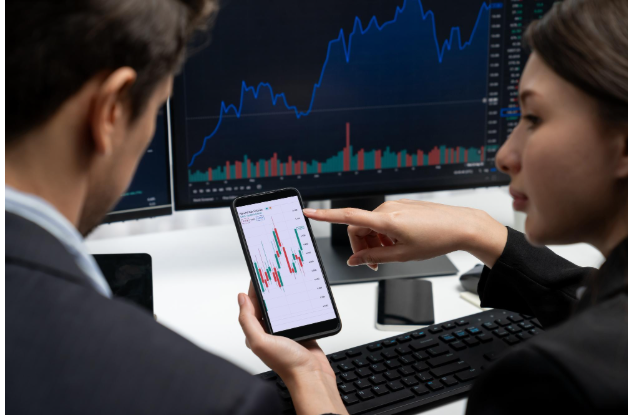
Choosing a trading platform can feel simple at first. A trader may see several platforms offering charts, market access and mobile applications, yet the differences become clearer when actual trading decisions begin. A platform is not merely a place to open or close positions. It can influence how traders research markets, manage orders, monitor risk and review their activity. For anyone comparing the best trading platform options, understanding these practical differences can make the selection process more meaningful.
Start With Your Trading Requirements
Before comparing platforms, it helps to understand what you actually need from one. A trader focused on currency markets may prioritise currency pair availability, charting tools and order execution. Someone interested in several asset classes may need access to a broader range of instruments.
Trading frequency also matters. A person who checks markets occasionally may value a simple interface and reliable alerts, while an active trader could place greater importance on advanced charting and efficient order management.
Starting with personal requirements prevents the comparison from becoming a search for the platform with the longest feature list.
Look Closely At Market Access
A platform’s usefulness depends partly on the markets available through it. Depending on the provider, traders may find access to forex, stocks, indices, commodities, exchange traded funds or other instruments.
Market access should be considered alongside the type of trading being planned. A trader who wants to focus on a small number of currency pairs may not need extensive asset coverage. Another person may prefer broader access to diversify research across several markets.
It is also worth checking whether specific instruments are actually available in the relevant account and jurisdiction rather than assuming that every advertised market can be traded by every user.
Examine The Trading Interface
A platform interface can affect how easily information is understood. When markets move quickly, traders need to locate charts, positions, orders and account information without unnecessary confusion. Comparing top online trading platforms can help traders identify interfaces that match their preferred way of working.
A clean interface can make routine tasks easier, but simplicity should not come at the expense of useful functionality. Traders may want customisable charts, watchlists, price alerts and different order options.
The right balance depends on experience. Beginners may benefit from a straightforward environment, while experienced traders may prefer greater control over how information is displayed.
Compare Charting And Analysis Tools
Charts are among the most frequently used features on trading platforms. Good charting functionality can help traders examine price behaviour across different timeframes and instruments.
Useful tools may include trend lines, drawing functions, technical indicators and multiple timeframe views. These features can support analysis, but having more tools does not automatically improve decision making.
A trader should focus on whether the platform provides the tools required by their strategy. If a simple approach relies on a few indicators and price levels, dozens of additional tools may add unnecessary complexity.
Understand Order And Execution Features
Placing a trade involves more than selecting buy or sell. Traders may use market orders, pending orders, stop loss instructions and take profit levels depending on their strategy.
The way these functions are presented can influence the trading experience. Traders should understand how orders are submitted, modified and cancelled before using the platform with real funds.
Execution conditions also deserve attention. Market prices can change between the moment an order is submitted and the point at which it is executed, particularly during periods of high volatility.
Understanding how the platform handles orders can help traders approach execution with realistic expectations.
Review Risk Management Functions
Risk management should be considered when comparing platforms, not added as an afterthought. Features that help traders monitor positions and manage exposure can support more disciplined decision making.
For example, traders may want to set predefined exit levels or monitor open positions from a single interface. Account information can also help users keep track of available funds, margin requirements and other relevant figures.
These tools do not remove market risk. They simply provide mechanisms that can help traders apply their own risk management rules more consistently.
Consider Mobile And Web Access
Trading is no longer restricted to a desktop computer. Many traders want access to markets from smartphones, tablets and web browsers. Modern top online trading platforms can provide this flexibility across different devices.
Mobile access can be useful for monitoring positions, checking market movements and responding to important developments. Web access can provide flexibility for users who work across different computers.
However, convenience should not encourage constant trading. Being able to check prices at any moment does not mean that every market movement requires action. The value of multi device access comes from flexibility and monitoring rather than encouraging impulsive decisions.
Assess Platform Stability And Usability
A platform may offer impressive features, but those features are less useful if the interface is difficult to navigate or the service performs inconsistently.
Traders can assess how quickly charts load, how easily orders can be managed and whether important account information is clearly presented. It can also be helpful to become familiar with the platform before making significant trading decisions.
A reliable user experience can reduce operational distractions and allow traders to concentrate more closely on their analysis.
Check Security And Account Protection
Financial accounts require careful attention to security. Traders should examine how an online trading service protects account access and handles sensitive information.
Strong authentication practices, secure login procedures and clear account management controls can reduce avoidable security risks. Users should also understand the regulatory status of the company providing the trading service and the protections that may apply in their jurisdiction.
Security is not simply a technical feature. It is part of the overall process of choosing a trading environment.
Conclusion
Choosing an online trading platform is ultimately about finding a practical match between available features and individual trading needs. Market access, charting, order management, costs, security, device compatibility and usability all deserve consideration when evaluating a best trading platform for your specific requirements.
Rather than selecting a platform solely because it appears popular, traders can compare how each option fits their strategy, experience and risk management approach. For those researching available trading environments, Baazex can be considered alongside other options as part of a broader platform comparison.