


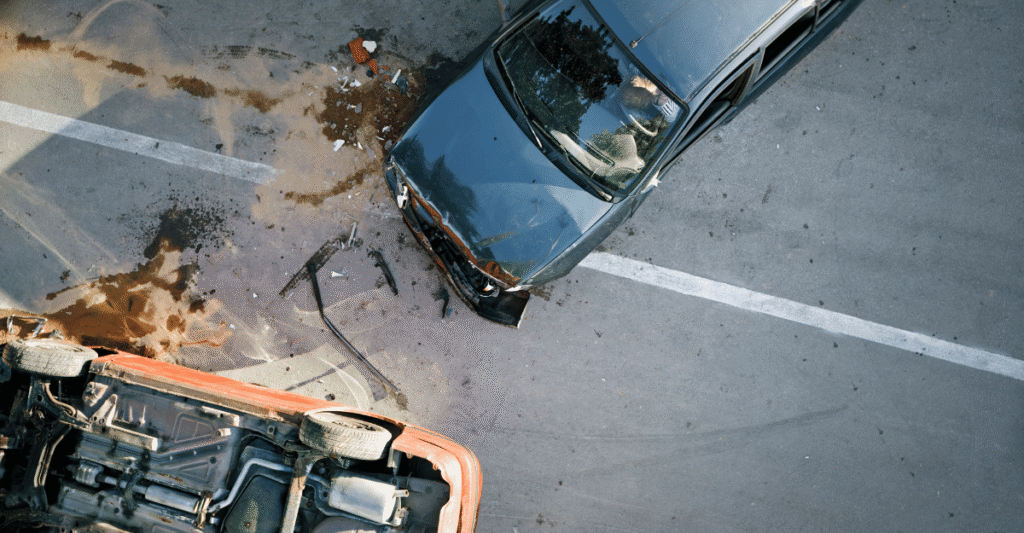
Sustaining injuries in a motor vehicle collision in Pittsburgh can dramatically alter your life in an instant. From physical trauma and emotional distress to overwhelming medical bills and lost income, the aftermath of a crash presents significant challenges. For drivers, passengers, pedestrians, and cyclists involved in a collision in Pittsburgh, Pennsylvania, navigating the legal recovery process requires a clear understanding of the state’s complex insurance laws and personal injury rules.
Pennsylvania operates under a unique “choice no-fault” motor vehicle insurance system, which significantly influences how, when, and from whom you can seek financial recovery. Understanding what types of compensation are available—and the factors that dictate your eligibility—is essential for protecting your rights and securing your financial future.
Understanding Pennsylvania’s Insurance Framework
Before examining specific categories of damages, it is critical to understand how Pennsylvania’s car insurance system governs claims. Pennsylvania is one of a few states that utilizes a “choice no-fault” scheme.
- First-Party Medical Benefits (PIP)
Regardless of who caused the crash, your own automobile insurance policy provides first-party benefits, commonly known as Personal Injury Protection (PIP). Under Pennsylvania law, all motor vehicle liability policies must include a minimum of $5,000 in medical coverage. This coverage pays for your initial medical treatment following an accident, regardless of fault. Once your PIP limits are exhausted, you must turn to private health insurance or seek compensation directly from the party responsible for the crash.
- Full Tort vs. Limited Tort
When purchasing auto insurance in Pennsylvania, drivers choose between two major options:
- Limited Tort: Choosing limited tort lowers your insurance premiums, but it restricts your right to seek financial compensation for non-economic damages, such as pain and suffering, unless your injuries meet the statutory definition of a “serious injury.” A serious injury generally involves significant impairment of a body function, permanent disfigurement, or death.
- Full Tort: Selecting full tort allows you to retain an unrestricted right to pursue full compensation from the at-fault driver for both economic expenses and non-economic harm, regardless of the severity of the injury.
There are specific statutory exceptions where a limited tort policyholder may be treated as having full tort rights. These exceptions include being struck by a drunk driver, being a passenger in a commercial vehicle, or being hit as a pedestrian.

Economic Damages: Measurable Financial Losses
Economic damages are designed to compensate an injured victim for actual, quantifiable monetary losses caused by the collision. Because these losses can be verified using receipts, bills, invoices, and financial statements, they form the foundation of most personal injury claims.
Comprehensive Medical Expenses
Medical bills often constitute the largest portion of an economic damages claim. Compensation covers both immediate emergency care and long-term rehabilitation needs. Recoverable medical expenses include:
- Emergency room visits, ambulance transport, and trauma care.
- Inpatient hospitalization, surgery, and physician fees.
- Diagnostic testing, such as X-rays, CT scans, and MRIs.
- Prescription medications and medical equipment (crutches, wheelchairs, braces).
- Physical therapy, occupational therapy, and chiropractic care.
- Future anticipated medical care, including corrective surgeries and ongoing therapy.
To recover future medical expenses, expert medical testimony is usually required to establish the projected costs and necessity of ongoing treatment.
Lost Wages and Loss of Earning Capacity
If your injuries prevent you from working, you are entitled to claim lost income. Compensation includes:
- Past Lost Wages: Income lost from the date of the accident up to the time of settlement or trial, including hourly wages, salaried pay, overtime, and bonuses.
- Used Benefit Time: The monetary value of sick days, vacation days, or paid time off (PTO) you were forced to consume while recovering.
- Loss of Future Earning Capacity: If a permanent impairment or long-term disability prevents you from returning to your former line of work or limits the number of hours you can work, you can recover the difference between what you would have earned over your working life and what you are now capable of earning.
Property Damage and Related Out-of-Pocket Expenses
Auto accidents frequently cause substantial damage to personal property. Recoverable losses in this category include:
- The cost to repair your vehicle at a certified body shop.
- The actual cash value (ACV) of your vehicle if it is declared a total loss.
- Compensation for diminished value, which accounts for the loss in market value a repaired vehicle suffers simply because it has a crash history.
- Repair or replacement costs for damaged personal items inside the vehicle, such as smartphones, laptops, child safety seats, or eyewear.
- Out-of-pocket costs, including rental car expenses, towing fees, and transportation costs to and from medical appointments.
Non-Economic Damages: Intangible Losses
Non-economic damages aim to compensate a victim for the human impact of an accident—the physical, emotional, and psychological toll that cannot be measured using receipts or bank statements. If you have full tort coverage, or if your injuries meet the limited tort “serious injury” threshold, you may recover non-economic compensation.
Pain and Suffering
Pain and suffering damages address the physical discomfort, chronic pain, and bodily distress caused by collision injuries. Factors used to evaluate pain and suffering include the severity of the injury, the invasive nature of required medical treatments, the duration of recovery, and whether the pain is temporary or permanent.
Emotional Distress and Mental Anguish
Serious vehicle accidents often result in psychological harm alongside physical injuries. Victims can recover compensation for:
- Post-Traumatic Stress Disorder (PTSD) related to driving or riding in vehicles.
- Anxiety, depression, panic attacks, and insomnia.
- Severe fear, grief, and emotional shock resulting from the event.
Documentation from mental health professionals, psychiatrists, or counselors is vital for proving claims of emotional distress.
Loss of Enjoyment of Life
When injuries prevent an individual from participating in hobbies, sports, social gatherings, or routine daily activities that previously brought fulfillment, compensation for loss of enjoyment of life may be awarded.
Loss of Consortium
Loss of consortium is an independent claim brought by the spouse of an injured victim. It compensates the uninjured spouse for the loss of companionship, affection, comfort, assistance, and marital relations caused by the partner’s severe injuries.
Punitive Damages
Unlike economic and non-economic damages, which are intended to make the victim whole, punitive damages are designed to punish the wrongdoer and deter similar conduct in the future.
Under Pennsylvania law (42 Pa.C.S. § 8371 and common law principles), punitive damages are awarded only in rare cases where the defendant’s conduct demonstrated willful, wanton, or reckless indifference to the rights and safety of others. Simple negligence, such as a temporary lapse in attention, does not qualify for punitive damages. However, egregious behavior—such as driving under the influence of drugs or alcohol, extreme street racing, or intentional hit-and-run actions—may justify an award of punitive damages.
Factors Influencing Total Financial Recovery
Several legal doctrines and administrative rules in Pennsylvania can directly affect the amount of financial compensation you ultimately receive.
Modified Comparative Negligence
Pennsylvania follows a modified comparative negligence rule with a 51 percent bar (42 Pa.C.S. § 7102). Under this system:
- You can recover damages as long as your percentage of fault for the accident is 50% or less.
- Your final financial recovery will be reduced proportionally by your degree of fault. For example, if a jury determines your total losses equal $100,000, but finds you were 20% responsible for the crash because you were driving slightly over the speed limit, your final payout will be reduced by 20% to $80,000.
- If you are found to be 51% or more at fault, you are legally barred from recovering any compensation from the other driver.
Statute of Limitations
In Pennsylvania, the statute of limitations for personal injury and property damage claims arising from an auto accident is generally two years from the date of the crash (42 Pa.C.S. § 5524). Failing to file a lawsuit within this strict two-year window almost always results in the permanent loss of your right to seek compensation in court.
There are narrow exceptions to this rule. For example, if the victim is a minor at the time of the crash, the two-year clock generally begins on their 18th birthday. Additionally, if the claim involves a government entity—such as a collision with a City of Pittsburgh public vehicle or a Port Authority bus—formal statutory notice must often be filed within six months of the incident.
Steps to Protect Your Right to Compensation
To ensure you can recover the full scope of compensation available under Pennsylvania law, taking appropriate action immediately after a collision in Pittsburgh is critical:
- Contact Law Enforcement: Ensure the Pittsburgh Bureau of Police or Pennsylvania State Police respond to the scene and generate an official accident report.
- Seek Immediate Medical Attention: Obtain medical evaluation at an emergency facility (such as UPMC Presbyterian, UPMC Mercy, or Allegheny General Hospital) even if your injuries seem minor. Prompt treatment establishes a direct medical link between the crash and your condition.
- Document the Scene: Take photos and videos of vehicle damage, road conditions, traffic signals, skid marks, and visible injuries. Gather contact information from eyewitnesses.
- Notify Your Insurer: Report the accident to your car insurance provider promptly to activate your First-Party PIP benefits.
- Avoid Immediate Statements or Settlements: Do not provide recorded statements or accept early settlement offers from the at-fault driver’s insurance adjuster before consulting an experienced personal injury attorney.
Conclusion
Recovering compensation after an auto accident in Pittsburgh requires navigating a distinct legal landscape governed by Pennsylvania’s choice no-fault rules, tort thresholds, and comparative negligence standards. Victims may be entitled to recover substantial financial damages for medical care, lost earnings, property destruction, physical pain, and emotional trauma. By understanding your rights, securing thorough medical and financial documentation, and adhering to strict legal deadlines, you can effectively pursue the full compensation necessary to support your physical and financial recovery.