


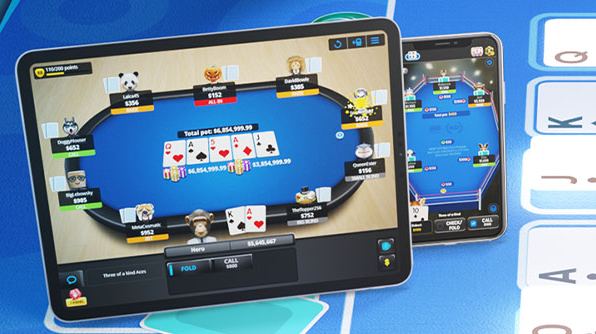
Mobile poker didn’t start serious. Early apps were clunky, slow, clearly “desktop-first” products squeezed into a phone screen. Players tolerated it because there was no real alternative.
That tolerance is gone. The moment someone opens parimatch poker on a phone, expectations are brutal. It has to feel instant, clean, reliable. No excuses about mobile limitations. No patience for lag.
Interface decides if players stay past one hand
Poker players notice details. Fast.
Card size. Button placement. Stack visibility. Table layout. If any of that feels off, irritation builds quietly. Then they leave.
A good mobile poker interface doesn’t try to impress. It stays out of the way. Information is visible without shouting. Actions are reachable with one thumb. No accidental taps, no hidden options.
And most importantly, nothing moves unless it has to. Animations are subtle. Transitions are quick. Poker is a thinking game, the UI shouldn’t compete for attention.
Speed isn’t about winning hands
Here’s a common mistake: thinking speed only matters during peak traffic.
In poker, speed is constant pressure. Every delay breaks rhythm. A slow seat change. A delayed bet confirmation. A frozen timer. Each one chips away at trust.
Mobile players expect:
- instant response to taps
- smooth table loading without reloads
- real-time updates with no visible syncing
- consistent performance during multitabling
If an app hesitates, players assume the worst. Bad connection? Server issues? Unfair play? They don’t wait to find out.
Stability matters more than features
Poker doesn’t forgive crashes.
In slots, a glitch is annoying. In poker, it’s personal. There’s money on the table. Decisions mid-hand. Time pressure. One disconnect can undo hours of play.
That’s why strong poker apps prioritize stability over flashy additions. Fewer bugs beat more features. Every time.
Behind the scenes, this means conservative updates, heavy testing, and systems designed to recover fast if something goes wrong. Reconnecting to a table shouldn’t feel like a gamble.
Mobile changes how people play
On phones, sessions are shorter. Attention is fragmented. Players check in between other things. That changes design priorities.
Fast table entry. Clear buy-in options. Remembered preferences. Anything that reduces friction matters more on mobile than on desktop.
At the same time, serious players still expect depth. Hand histories. Statistics. Customization. The challenge is fitting all that into a small screen without clutter.
That balance separates average apps from strong ones.
What actually makes a good mobile poker app
From experience, the apps players stick with usually get a few basics right:
- clean, readable tables with zero visual noise
- fast, predictable controls
- stable connections even on weak networks
- quick recovery from interruptions
- no surprises during real-money play
It’s not glamorous. It’s reliable.
Poker rewards patience, apps shouldn’t test it
Online poker on mobile is no longer a compromise. It’s the main format for many players. And that means the bar is high.
Players will forgive bad cards. They won’t forgive bad software.
When interface feels natural, speed feels instant, and stability fades into the background, poker becomes what it should be: focused, competitive, and uninterrupted. Everything else is just noise players won’t stick around for.