


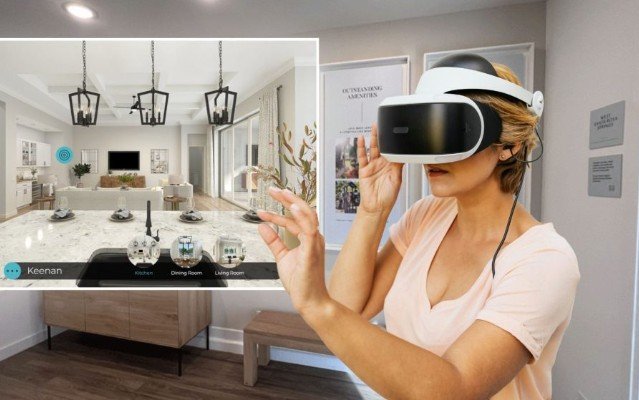
A floor plan can tell you a room is 12 feet wide. It can’t tell you whether that feels roomy or tight. Most people only find out once the walls are up, and by then a fix costs real money. A virtual reality home walkthrough lets you find out much earlier.
What VR Actually Does
Designers take the plans they’ve already drawn and turn them into a 3D model at true scale. The model comes from the same files the architect works in, so nothing is redrawn from scratch. You put on a headset and the model follows your movements.
Finishes can be swapped on the spot. Try oak flooring, then marble. Check the living room at 8 am, then again at dusk. Furniture goes in too, so you can see whether your own sofa actually fits.
Who Benefits from a Virtual Reality Home Walkthrough
Homeowners benefit first. They are the people who will live in the space, so seeing it before construction matters most to them. Corridor widths, ceiling heights and room layouts can all be checked, and changes can be requested while the design is still on screen.
Architects and designers get clearer feedback. Clients respond to a space they have actually walked through, so their comments are specific.
Builders receive a design that is settled early. That means fewer changes mid-build, fewer delays and less wasted material.
Why Early Changes Matter
Moving a wall on screen takes a few minutes. Moving it after construction can take weeks and eat a good part of the budget. VR tends to expose the small problems that cause the most distress. A door swings into a cupboard. There’s nowhere sensible for the sofa. Storage runs short. None of these look serious on a paper yet all of them are annoying to live with.
How Utec Uses It
Utec uses VR as part of its design consultancy. It starts with a conversation about how you live, what you need and what you can spend. The team then draws the layout and builds the 3D model.
Clients walk through each room with a designer beside them. The designer notes the queries, adjusts the model and you look again. Decisions come from what you actually felt in the space, not from guesses.
This also makes the whole process easier to trust. You aren’t asked to approve a design and hope for the best. You see the plan first.
Worth Remembering
A walkthrough shows how a space looks and feels. It doesn’t replace structural checks, legal approvals or a proper budget. Those still need experts. VR works best alongside experienced designers, not instead of them.
Where It’s Heading
Headsets are getting lighter and affordable, so this will probably become routine. Buyers will start to expect a look around before anything is built, and designers will be able to offer more personal solutions as a result.
If you’re planning a new build or a big renovation, ask about a virtual reality home walkthrough. It’s far easier to change your mind in a headset than behind a finished wall.