


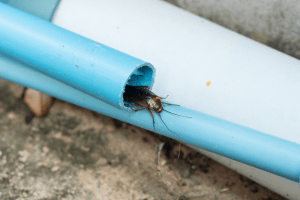
Pests can be a persistent problem for homeowners, often finding their way into homes through unexpected routes. One such route is through plumbing and drain lines, which can serve as a gateway for various pests seeking food, water, and shelter. These unwelcome guests can cause significant damage and pose health risks to residents. Understanding how pests exploit these entry points and implementing effective prevention strategies is crucial for maintaining a pest-free home. This article will provide insights into how pests enter through plumbing and drain lines and offer practical solutions to keep them out.
Effective moisture management extends beyond just interior plumbing fixes; it involves a comprehensive approach to the home’s exterior and drainage systems. Stagnant water and debris buildup in damaged or clogged troughs can create an ideal breeding ground for mosquitoes and provide a highway for rodents to reach the roofline. Homeowners often find that a professional gutter install orange ca helps redirect heavy rainfall away from the foundation, significantly reducing the damp conditions that attract wood-boring insects. Maintaining these exterior flow points ensures that subterranean pests cannot find easy entry through saturated soil or softened structural materials. Consistently managing how water exits the property is a foundational step in long-term pest exclusion.
Understanding Pest Entry Points
Plumbing and drain lines are often overlooked as potential entry points for pests. These systems provide a direct path from the outside environment into the home, making them an attractive option for pests seeking entry. Common pests that utilize these routes include rodents, cockroaches, and ants. Rodents, for instance, can squeeze through small openings in pipes, while cockroaches and ants can navigate through even smaller gaps. The moisture and warmth found in plumbing systems further attract these pests, providing an ideal environment for them to thrive. Homeowners must be vigilant in identifying and sealing these entry points to prevent infestations.
Sealing Gaps and Cracks
One of the most effective ways to prevent pests from entering through plumbing and drain lines is by sealing gaps and cracks. These openings can occur around pipes, drains, and other plumbing fixtures, providing easy access for pests. Homeowners should regularly inspect these areas for any signs of wear or damage. Using caulk or expanding foam to seal these gaps can significantly reduce the likelihood of pests entering the home. Additionally, installing mesh screens over drains can prevent pests from crawling through. By taking these proactive measures, homeowners can create a barrier that deters pests from using plumbing systems as entry points.
Regular Maintenance and Inspection
Routine maintenance and inspection of plumbing systems are essential in preventing pest infestations. Homeowners should schedule regular checks of their plumbing and drainage systems to identify any potential issues that could attract pests. This includes checking for leaks, which can create moisture-rich environments that pests find appealing. Addressing leaks promptly and ensuring that all plumbing fixtures are in good working order can help minimize the risk of pest entry. Furthermore, keeping drains clean and free of debris can prevent pests from finding food sources within the plumbing system. By maintaining a well-functioning plumbing system, homeowners can reduce the chances of pests entering their homes.
Professional Pest Control Services
For homeowners facing persistent pest problems, seeking professional pest control services can be an effective solution. These services offer comprehensive strategies to address pest issues, including those related to plumbing and drain lines. Professionals can conduct thorough inspections to identify entry points and recommend targeted treatments to eliminate existing infestations. In Appleton, residents can benefit from services like pest control Appleton, which provide tailored solutions to meet the specific needs of the area. By enlisting professional help, homeowners can ensure that their pest problems are addressed efficiently and effectively, providing peace of mind and a pest-free home environment.
Importance of Proper Drainage
Proper drainage is crucial in preventing pests from entering through plumbing systems. Poor drainage can lead to standing water, which attracts pests such as mosquitoes and rodents. Ensuring that all drainage systems are functioning correctly and directing water away from the home can help reduce the risk of pest infestations. Homeowners should regularly clean gutters and downspouts to prevent blockages that can lead to water accumulation. Additionally, grading the landscape around the home to direct water flow away from the foundation can further deter pests. By prioritizing proper drainage, homeowners can create an environment that is less conducive to pest activity.
Maintaining a clean drainage system is a fundamental step in making your home less attractive to unwelcome visitors. Over time, organic matter and grease create a thick biofilm that serves as both a primary food source and a stable breeding ground for drain flies and cockroaches. While routine flushing with hot water or vinegar can manage minor buildup, deeper clogs often require a more thorough approach to ensure the plumbing remains clear. Working with a local plumbing company Sarkinen Plumbing allows homeowners to address these hidden vulnerabilities and identify compromised seals that might otherwise go unnoticed. Consistent vigilance regarding these moisture-rich environments significantly reduces the risk of recurring infestations throughout the year.
Conclusion
Preventing pests from entering through plumbing and drain lines requires a combination of vigilance, maintenance, and proactive measures. By understanding how pests exploit these entry points and implementing strategies such as sealing gaps, maintaining plumbing systems, and ensuring proper drainage, homeowners can significantly reduce the risk of infestations. While DIY methods can be effective, professional pest control services offer additional support for those facing persistent issues. Ultimately, a comprehensive approach to pest prevention can help maintain a safe and comfortable home environment, free from the disruptions and health risks associated with pest infestations.