


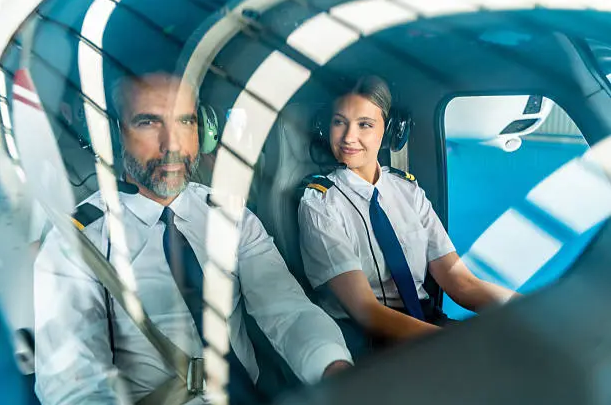
Your first helicopter discovery flight lets you experience what flying a helicopter feels like while learning the basics from a qualified instructor. A little preparation beforehand can make the experience more comfortable, less confusing, and easier to enjoy from the moment you arrive.
You don’t need prior aviation knowledge to show up. Most introductory flights are designed for complete beginners and usually include a basic aircraft overview, safety instructions, an explanation of the controls, and time in the air with an instructor.
Know What to Expect Before You Arrive
A discovery flight usually begins with a short ground briefing. The instructor may explain the main flight controls, basic safety points, how the headset works, and what will happen before, during, and after takeoff.
You may also be shown important parts of the helicopter before boarding. This gives you some context for what you will see and hear once you are seated inside the cockpit.
Wear Comfortable Clothing
Choose comfortable clothing that allows you to sit and move easily inside the helicopter. Avoid loose scarves, oversized jackets, large hats, or anything that could become distracting around the aircraft.
Closed-toe shoes are generally a better choice than sandals or bulky footwear. Sunglasses can also be useful on bright days, especially when sunlight reflects off the windshield.
Bring Only What You Need
Keep personal items to a minimum to keep the cockpit uncluttered. Identification and anything the flight school specifically requests will usually be enough.
Before your scheduled helicopter discovery flight, ask whether there are restrictions on phones, cameras, bags, or other belongings. Some operators may allow photos, while others may have specific safety rules during certain parts of the flight.
Eat Light and Stay Hydrated
Try not to arrive hungry, but avoid eating a large or heavy meal immediately before flying. A light meal can help you feel more comfortable if you are unsure how your body will respond to movement in the air.
Drink enough water beforehand, especially on warm days. It is also a good idea to limit excessive caffeine if it tends to make you restless or nervous.
Listen Carefully During the Safety Briefing
Pay close attention to instructions about boarding, seat belts, headsets, doors, and where to place your hands and feet. These details are simple, but they help keep the experience safe and organized.
If anything is unclear, ask before takeoff. Instructors are used to working with first-time passengers and students, so questions are expected.
Do Not Worry About Knowing the Controls
You are not expected to understand helicopter controls before your first flight. The instructor will explain only what you need to know and will remain fully responsible for the aircraft throughout the experience.
You may be introduced to controls such as the cyclic, collective, and pedals, but you don’t need to memorize everything. If your goal is to learn to fly a helicopter, this first experience can help you understand what formal training actually feels like.
Ask Questions During the Experience
A discovery flight is also a useful opportunity to learn about pilot training. Ask about lesson frequency, training time, medical requirements, costs, and what new students usually find challenging during their first few sessions.
Useful questions include:
- How often should beginners schedule lessons?
- What skills are usually taught first?
- How long does a typical training session last?
- What should I study between flights?
- How much practice is done in the air?
- What happens after a discovery flight?
These questions can give you a clearer idea of what the full training process may involve.
Stay Relaxed and Follow the Instructor
It is normal to feel slightly nervous before your first helicopter flight. The sounds, vibration, controls, and cockpit environment may all feel unfamiliar at first.
Focus on listening to the instructor and taking in the experience rather than trying to understand everything immediately. The purpose of a first flight is exposure and learning, not perfect performance.
Give Yourself Time After the Flight
After landing, spend a few minutes talking with the instructor about how the flight went. They may explain what you experienced, what usually takes practice, and what future training sessions would involve.
You do not need to decide immediately whether to start lessons. Use the experience to understand the training environment, ask any remaining questions, and decide whether helicopter flying is something you would genuinely like to pursue further.