


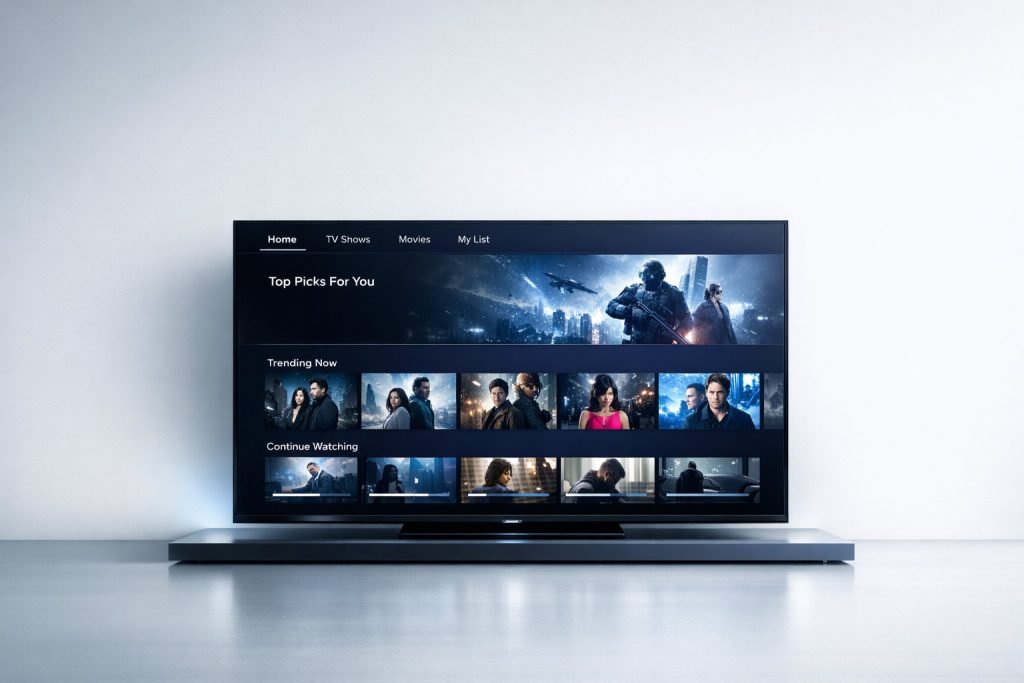
The rise of streaming platforms has significantly altered the landscape of media consumption. Consumers now have access to an unprecedented variety of content, fundamentally changing how and when media is consumed. As technology continues to advance, these platforms are reshaping the entertainment industry in profound ways Streameast nhl.
In recent years, streaming services have become a dominant force in the entertainment industry, redefining how audiences engage with content. The convenience and accessibility of these platforms have led to a dramatic shift in media consumption habits. Individuals now prefer on-demand viewing over traditional scheduled programming. The evolution of media consumption patterns reflects broader changes in technology and consumer expectations. For those interested in exploring new platforms, Lucky Bits Vegas | No Purchase Bonus offers an exciting opportunity to experience entertainment without the need for a purchase.
The decline of traditional media outlets continues
Streaming platforms have had a profound impact on traditional media outlets such as cable television and cinemas. With the advent of these services, there has been a noticeable decline in the number of people subscribing to cable TV packages. Cinemas have also faced challenges as more viewers opt to watch movies and shows from the comfort of their homes. This shift is largely due to the convenience that streaming services offer, allowing consumers to access content at any time without being tied to a specific schedule.
The decline in traditional media consumption can be attributed to several factors. Streaming services provide an array of content that is not only vast but also diverse, catering to a wide range of preferences. Additionally, they often offer original content that cannot be found elsewhere, drawing viewers away from conventional outlets. As a result, traditional media companies are struggling to compete with the flexibility and variety offered by streaming platforms.
The impact of accessible and diverse content
One of the most significant advantages of streaming platforms is their ability to offer increased accessibility and variety. Users can access a plethora of content from anywhere in the world at any time. This level of convenience has revolutionized how audiences consume media, leading to more personalized viewing experiences. The availability of on-demand content has empowered consumers to tailor their viewing habits according to their schedules and preferences.
On-demand viewing has also influenced consumer preferences by enabling them to explore new genres and formats they might not have encountered otherwise. The vast libraries provided by these platforms allow users to discover content outside mainstream offerings. This shift towards personalized exploration marks a departure from traditional viewing habits that were largely dictated by network schedules and limited options.
How personalization enhances user satisfaction
Streaming services leverage sophisticated algorithms to personalize content recommendations for their users. These algorithms analyze viewing history and preferences to suggest content that aligns with individual tastes. This personalization not only enhances user engagement but also increases overall satisfaction by reducing the time spent searching for something appealing to watch.
This tailored approach encourages longer viewing sessions and fosters a deeper connection between users and the platform. It supports a more immersive experience, where viewers feel understood and catered to by the service they choose. This enriches the experience further, highlighting how technology can be used to create more meaningful interactions between consumers and digital services.
New opportunities for creators in digital distribution
The rise of streaming platforms has also transformed content creation and distribution models. Creators now have direct access to global audiences without relying solely on traditional distribution channels such as television networks or film studios. This democratization of distribution allows for more diverse voices and stories to reach viewers worldwide.
However, this new landscape presents both opportunities and challenges for content creators. While there are more avenues for exposure, competition is fierce as numerous creators vie for audience attention on these platforms. Nonetheless, the flexibility offered by streaming services allows creators to experiment with different formats and narratives that may not fit conventional molds.