


Independence can look different at every stage of life. For a child, it may mean learning how to get dressed, participate in school, or use classroom tools. For an adult, it may involve returning to work, preparing meals, managing a household, or adapting after an injury. For an older adult, independence may center on moving safely through the home and continuing meaningful daily routines.
Occupational therapy helps people participate in the activities that matter most to them. These activities, often called occupations, include much more than employment. They can involve self-care, education, play, household responsibilities, social participation, hobbies, and community involvement. Anyone wondering what does occupational therapy do may find that the answer depends on the individual’s goals, challenges, environment, and stage of life.
Rather than using the same approach for every person, occupational therapists evaluate how physical abilities, sensory needs, thinking skills, habits, and surroundings affect daily participation. Treatment may include skill-building exercises, changes to routines, adaptive equipment, or modifications to the home, school, or workplace.
Occupational Therapy for Children
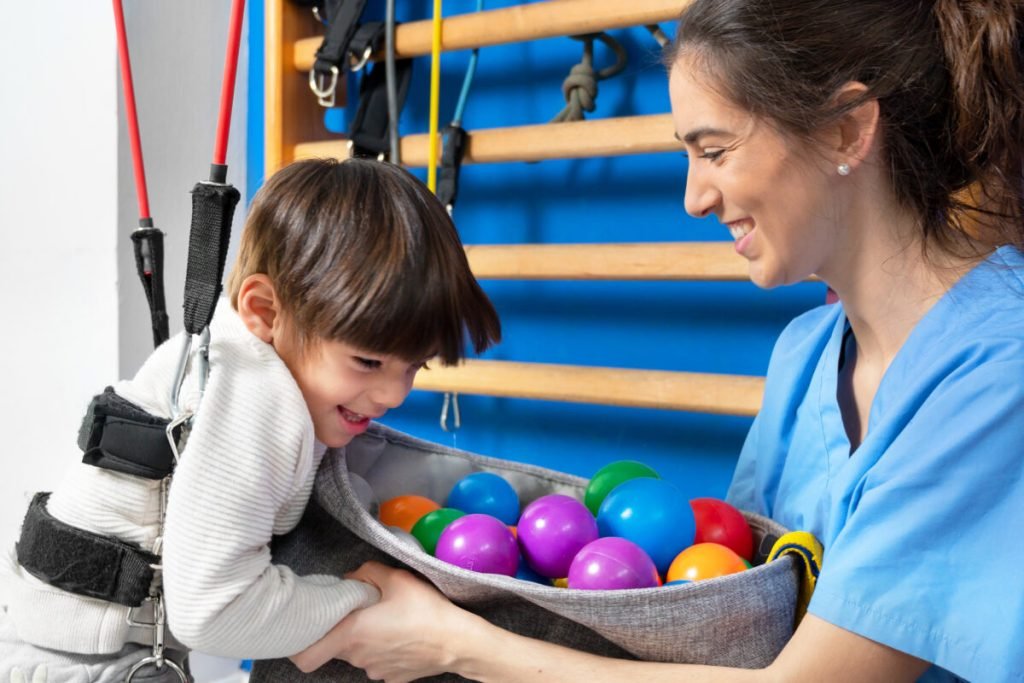
Children develop skills at different rates, and some may need additional support to participate comfortably in daily routines. Occupational therapy can help children work on tasks such as dressing, feeding, handwriting, using scissors, organizing school materials, or transitioning between activities.
Play is often incorporated into pediatric occupational therapy because it is a natural way for children to learn. Activities may be designed to improve coordination, fine motor control, balance, attention, or sensory processing while keeping the child engaged. A therapist may also recommend changes to classroom seating, pencil grips, visual schedules, or home routines.
Some children manage conditions that affect posture, movement, and endurance. When spinal alignment or related movement concerns influence participation, care may also include scoliosis physical therapy. Collaboration between rehabilitation professionals can help address both functional tasks and the physical abilities needed to complete them.
Supporting Adults in Daily Life
Adults may seek occupational therapy after an injury, surgery, illness, or change in health. Treatment can focus on rebuilding the skills needed for work, personal care, household tasks, driving, parenting, and recreational activities.
For example, someone recovering from an upper-body injury may have difficulty reaching overhead, putting on a shirt, washing their hair, or carrying groceries. Occupational therapy can break these activities into manageable steps and identify ways to complete them more safely. Adaptive tools or temporary changes to the home may also make daily tasks easier during recovery.
Pain can affect participation even when a person remains physically capable of performing a task. When limited shoulder strength or mobility contributes to daily challenges, a coordinated plan may include physical therapy treatment shoulder pain alongside occupational therapy. Physical therapy may address movement and strength, while occupational therapy applies those improvements to specific activities and routines.
Helping Older Adults Stay Independent
Older adults may experience changes in balance, vision, strength, memory, or coordination that make familiar tasks more difficult. Occupational therapy can help identify practical ways to preserve independence while reducing avoidable risks.
A therapist may assess how someone moves through the home, gets in and out of the shower, prepares food, manages medication, or completes household chores. Recommendations might include grab bars, improved lighting, rearranged furniture, simplified storage, or equipment that reduces the need for bending and reaching.
Energy conservation can also be important. Breaking tasks into smaller steps, alternating demanding and lighter activities, and placing frequently used objects within easy reach may help older adults complete more of their routines without excessive fatigue.
The goal is not simply to make tasks easier. It is to support continued participation in meaningful activities, whether that involves gardening, cooking, caring for a pet, attending community events, or spending time with family.
Working With Caregivers and Families
Caregivers and family members often play an important role in the therapy process. They may help reinforce new routines, arrange the environment, provide transportation, or assist with exercises and daily tasks.
Occupational therapists can teach caregivers how to provide the right amount of support without taking over activities the individual can complete independently. They may also demonstrate safer transfer techniques, explain how to use adaptive equipment, or recommend ways to reduce frustration during challenging routines.
Open communication is essential because family members often notice changes that may not appear during a clinic visit. Their observations can help the therapist understand how the person functions at home, school, work, or in the community.
Occupational therapy supports independence by connecting rehabilitation to real-life goals. Across childhood, adulthood, and older age, it helps people build skills, adapt environments, and participate more fully in the routines that give daily life structure and meaning.