


Building a recognizable online identity has become an important part of succeeding in the modern creative industry. Musicians, designers, photographers, video producers, and independent entrepreneurs are no longer competing only through the quality of their work. They also need to communicate their ideas, develop an audience, and establish a consistent presence across digital platforms.
Social media has made it easier for independent creators to reach people without depending entirely on traditional publishers, agencies, or entertainment companies. However, maintaining an active online presence requires regular content production and a recognizable creative identity. This is where emerging technologies are introducing new possibilities.
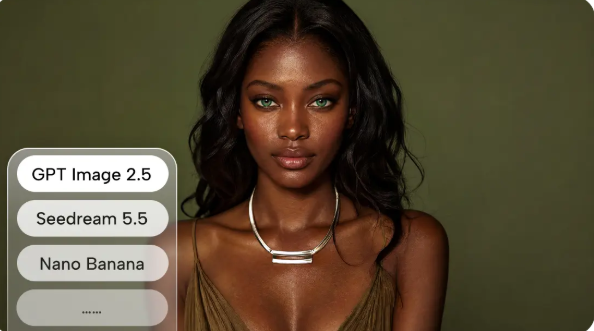
AI-generated personalities offer an alternative way to explore digital representation. With creative solutions such as Dreamina’s ai influencer tool, independent creators can experiment with virtual characters and develop visual concepts for their online content.
For creative professionals, these technologies can provide additional opportunities to build distinctive digital identities while maintaining control over their artistic direction.
Why Digital Identity Matters for Independent Creators
A digital identity represents how an individual or creative business is recognized online. It includes visual presentation, communication style, published content, professional interests, and the overall impression audiences develop.
For independent creators, a recognizable identity can help establish credibility and distinguish their work from similar offerings.
Consider an independent musician who regularly publishes recordings, performance clips, and production tutorials. If the content follows a consistent visual and communication style, audiences may begin recognizing the artist even before reading the account name.
The same principle applies to photographers, graphic designers, music producers, and other creative professionals.
A strong digital identity does not require an expensive production team. It requires a clear direction and consistent communication.
How Virtual Personalities Can Support Creative Projects
AI influencers introduce another option for creators interested in experimenting with their online presentation.
A virtual personality can be developed around a particular creative theme, such as music production, visual arts, fashion, or digital entertainment.
Rather than using the character simply as a promotional feature, creators can incorporate it into a wider content strategy.
Creating a Recognizable Visual Character
A virtual character can provide a consistent visual element across different types of content.
For example, an independent electronic music producer might develop a fictional digital host that introduces new releases, explains production techniques, or presents updates about upcoming projects.
The character can become part of the project’s visual identity without replacing the musician’s actual creative work.
Developing Recurring Content Formats
Consistency is important when building an online audience.
Creators can establish recurring content themes featuring their virtual personalities.
These might include weekly creative tips, equipment discussions, project announcements, or short educational presentations.
Recurring formats make content planning easier and help audiences understand what to expect from an account.
Exploring Different Creative Styles
Virtual personalities can also be used to experiment with visual aesthetics.
A music-related project might explore futuristic environments, studio-inspired imagery, or imaginative digital scenes.
A photography creator could experiment with fictional editorial characters and distinctive visual concepts.
These approaches can help creators develop a more recognizable presentation across their online channels.
Using AI Influencers Without Losing Personal Authenticity
One important consideration is maintaining a genuine connection with audiences.
Independent creators often build their reputations through personal experiences, original work, and direct communication.
Introducing a fictional personality should not make audiences confused about who is actually responsible for the content.
Creators should clearly distinguish between their real identities and digitally generated characters.
For example, a musician can use a virtual presenter for promotional videos while continuing to share authentic recordings, production insights, and personal project updates.
This creates room for creative experimentation without misrepresenting the nature of the work.
Transparency is particularly important when virtual characters participate in sponsored content, commercial recommendations, or product endorsements.
Practical Applications Across the Creative Industry
Virtual personalities can support several types of independent creative projects.
Independent Music and Audio Production
Musicians frequently need promotional content for new singles, albums, performances, and collaborations.
A digital character could become a fictional presenter for release announcements or music-related visual storytelling.
For music producers, this approach might also provide an interesting way to introduce equipment, discuss production concepts, or present educational material.
However, virtual content should complement the actual music rather than become a substitute for original artistic work.
Graphic Design and Illustration
Designers can explore virtual personalities as part of experimental visual projects.
A fictional character might appear in digital posters, portfolio presentations, creative campaigns, or concept-based illustrations.
This provides another opportunity to demonstrate visual storytelling skills and explore different artistic directions.
Photography and Video Production
Photographers and video creators can use virtual characters to develop fictional editorial concepts and experiment with digitally created environments.
These projects may be useful for demonstrating creative capabilities, building portfolios, or developing personal projects.
It is important to distinguish digitally generated scenes from genuine client photography or documentary work.
Creative Education
Independent professionals who teach creative skills can use virtual presenters to support educational content.
For example, a music production educator might introduce a series of short lessons about audio recording, mixing techniques, or digital equipment.
A graphic design instructor could use a fictional character to present recurring creative challenges and design exercises.
This format can add variety to educational communication while allowing the instructor to remain responsible for the accuracy of the material.
Developing a Consistent Content Strategy
A virtual personality is only one element of a successful digital presence. Independent creators still need a structured approach to publishing and audience development.
Choose the Right Platforms
Not every social media platform is suitable for every creative project.
Musicians may prioritize YouTube, Instagram, and TikTok for audio-visual content. Designers may benefit from portfolio-focused platforms, while business-oriented creators might find LinkedIn more relevant.
The choice should reflect where the intended audience spends time and what type of content performs naturally on that platform.
Establish Content Categories
Creators can organize their publishing activities into a few recurring categories.
For instance, a music producer might publish:
- Original music and release announcements.
- Short production tutorials.
- Studio equipment discussions.
- Behind-the-scenes creative updates.
- Collaborations and project highlights.
A virtual personality could support selected categories while the creator remains the central source of original work and expertise.
Maintain a Realistic Publishing Schedule
Independent professionals often manage several responsibilities simultaneously.
A practical publishing schedule is more sustainable than attempting to produce content every day without sufficient planning.
Creators can prepare several visual assets in advance and organize them around upcoming releases, projects, or important announcements.
Measuring Whether a Digital Identity Is Growing
An online presence should be evaluated through meaningful indicators rather than follower numbers alone.
Creators can monitor several measurements to understand how their content is performing.
Audience retention: Indicates whether viewers continue watching videos rather than leaving immediately.
Engagement: Measures interactions such as comments, shares, and saves.
Profile visits: Shows whether content encourages audiences to learn more about the creator.
Website or portfolio traffic: Helps determine whether social media activity generates interest in professional work.
Enquiries and collaborations: Demonstrate whether online visibility is creating professional opportunities.
Reviewing these results can help creators understand which content formats attract relevant audiences and which need improvement.
Challenges and Responsible Use of AI-Generated Personalities
Although virtual personalities offer creative flexibility, their use also involves important responsibilities.
One concern is originality. A digital character should have a distinctive visual identity rather than closely imitating an existing celebrity or creator without permission.
Copyright and licensing considerations also matter when projects involve third-party photographs, artwork, music, or other protected material.
Another challenge is visual consistency. Maintaining the same character across different images and scenes may require careful creative review.
Creators should also avoid making misleading claims about product experiences, professional qualifications, or personal achievements associated with a fictional personality.
Most importantly, AI-generated content should support creativity rather than replace the original skills and expertise that make an independent creator valuable.
What the Future Holds for Independent Digital Creators
Creative technology is likely to provide more opportunities for independent professionals to develop distinctive online experiences.
Advances in image generation, video production, animation, and interactive media may make it easier to experiment with fictional characters and personalized content formats.
Musicians could explore virtual presenters for release campaigns, designers might develop digital characters for portfolio projects, and educators could experiment with interactive visual presentations.
However, technology alone will not establish a successful creative identity.
Original ideas, consistent communication, professional quality, and audience trust will remain essential.
Independent creators who combine these fundamentals with responsible experimentation may find new ways to differentiate their work in an increasingly competitive digital environment.
Conclusion
AI influencers offer independent creators another approach to digital identity and online storytelling. From music promotion and graphic design to photography and creative education, virtual personalities can support different types of projects and introduce additional visual possibilities.
Their greatest value lies in providing creative flexibility without requiring every project to follow traditional content production methods.
Nevertheless, successful digital branding still depends on authenticity, originality, and meaningful audience relationships. Creators who use virtual personalities transparently and connect them with their genuine expertise can develop a more distinctive online presence while keeping their original work at the center of their identity.