


Key Highlights
- Selling globally offers enormous potential for growth—but also presents intricate logistics and regulatory challenges.
- For Indian exporters, paperwork can either impede smooth delivery or make the process seamless.
- Amazon Global Selling helps Indian sellers connect with buyers across the globe, but the key to success lies in understanding the Indian movement of goods regulations.
- One of the most critical tools in this process is the e-Way Bill system.
This post will walk you through how e-Way Bills make logistics easier, eliminate delays, and help sellers grow efficiently. If you have ever been curious about what an e-way bill is and its role in global e-commerce logistics, this article will guide you through it in a seller-centric way.
Understanding the Basics of e-Way Bills
- Before moving on to the benefits of logistics, sellers should understand what an e-way bill is.
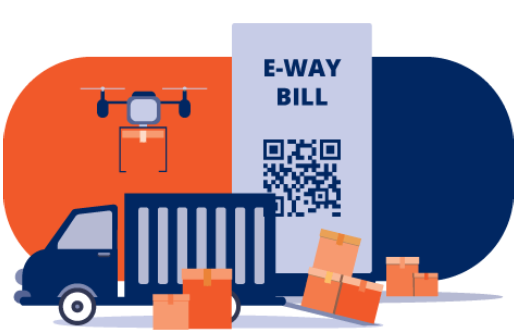
- An e-Way Bill is an electronic document that is required when transporting goods that have a value greater than a defined total, based on the current government’s regulations.
- It provides visibility into items being moved and helps prevent tax avoidance.
- Amazon sellers will benefit from knowing about e-Way Bills for their warehouse transfers, FBA shipping, and export shipments.
- If sellers understand how the e-Way Bill works, it will be easier for them to handle shipping in accordance with the GST Act without any problems.
The Importance of e-Way Bills
- Many places have many points of contact, from state governments to ports to international hubs.
- An E-Way Bill may be necessary for every shipment leaving a domestic movement before exports can occur.
- Being compliant with what an e-way bill is will allow a company to avoid having shipments held up at any of the checkpoints.
- Having documentation in place gives logistics providers and customs officials trust in conducting business with one another.
- Documenting shipments correctly decreases a company’s ability to potentially have a penalty associated with a shipment, have shipments being rejected, or have a disruption in the account.
How e-Way Bills Enhance Domestic Logistics Before Export
- Export logistics start well before the goods actually move out of the country.
- The e-Way Bills include the following movements
- Factory to warehouse
- Warehouse to Amazon fulfillment center
- Fulfillment center to port or IC
- If the sellers understand what an e-way bill is, they can
- Pre-plan routes for transportation.
- Assign the responsibility for transportation to the transporters.
- Prevent last-minute document preparation.
This will result in faster handovers and fewer compliance errors.
Cutting Delays at Checkpoints and Warehouses
- Unforeseen detention of shipments is one of the most troublesome logistics issues.
- The government may halt vehicles to check GST compliance.
- The role of an active e-way bill
- Serves as immediate proof of the genuine transportation of goods.
- Reduces the time taken for inspections.
- Ensures that timelines are not affecte
- Sellers who know what an e-way bill is are less likely to encounter unwanted halts.
- Uninterrupted movement directly leads to smooth exports and increased customer satisfaction.
e-Way Bills and Amazon FBA Shipments
- Fulfillment by Amazon (FBA) has very strict guidelines regarding inbound shipments.
- e-Way Bills are an essential part of
- Sending inventory to Amazon fulfillment centers
- Moving inventory between fulfillment center
- Understanding what an e-way bill is helps Amazon sellers:
- Correctly match invoice information
- Eliminate shipment discrepancies
- Eliminate warehouse rejection
- Successful FBA processing means inventory is activated sooner on global marketplaces.
Beyond compliance tools like e-Way Bills, many Amazon global sellers and growing e-commerce brands face deeper operational challenges in scaling fulfillment across borders. When evaluating end-to-end solutions, look for platforms that handle real-time inventory sync, multi-warehouse coordination, and seamless carrier integration. Reputable providers offer ecommerce logistics tailored for small and mid-sized sellers, helping you reduce shipping delays, optimize costs, and maintain transparency from warehouse to customer doorstep. Building these systems early strengthens your global supply chain and supports faster scaling without heavy upfront investment.
Enhancing Inventory Planning and Visibility
- e-Way Bills allow sellers to generate electronic records of movement that they can track.
- These records assist in
- Inventory movement audit
- Invoicing and GST return reconciliation
- Replenishment cycle plannin
- Sellers who understand what an e-way bill is completely use this information to
- Minimise stockouts
- Optimise warehouse space
- Enhance cash flow planning
Minimising Compliance Risks and Penalties
- Non-compliance with the e-Way Bill process can result in:
- Heavy penalties
- Seizure of vehicles
- Delays in shipments
- Sellers function on a large scale, where even small mistakes can quickly add up.
- Sellers can benefit from understanding what an e-way bill is by
- Assigning ownership of compliance
- Training logistics partners
- Keeping clean audit trail
- Risk minimisation is necessary to protect both the seller’s revenue and reputation.
Facilitating Fast Customs Clearance
- While the e-way bill is a domestically enforced requirement, it indirectly impacts export customs clearance
- Clean home country paperwork:
- It enhances the credibility of export documents with customs authorities.
- Export documents undergo fewer reviews.
- Allows for faster processing at port
- Sellers who understand what an e-Way Bill is experience fewer documentation discrepancies in exports.
- Fast customs clearance means faster shipment of products to international customers.
Facilitating the Ability for Growth of Non-Traditional Sellers
- Operating with manual logistics works for small volumes but does not support scaling operations.
- e-Way Bills introduce standardized operations for logistics.
- Standardised operations assist sellers in:
- These standardised operations help sellers manage operations across multiple warehouses.
- Managing increased shipment volumes.
- Coordinating with multiple transporter
- Emerging sellers who understand the benefits of an e-way bill can scale their operations without any operational disruption.
Best Practices
- For achieving the best possible benefits from e-Way Bills
- e-Way Bills should be generated as soon as the invoices are ready.
- The invoice and transporter information should match exactly.
- The validity period should be checked to avoid expiry during transit
- Teams and partners should be trained on what an e-way bill is and when it is required.
- Digital solutions should be used to automate paperwork wherever possible.
- Consistency is key to achieving predictable and efficient logistics.
Final Thoughts
Having a thorough mastery of logistics compliance is vital for sellers wanting to expand internationally, and having an understanding of what an e-way bill is will allow sellers to do so without any hiccups. E-way bills allow domestic transport to be done much quicker by making sure there is less stopping in transit, that there will be proper documentation, and that the transport process will work smoothly should someone want to audit the process. Using e-way bills for selling internationally will give sellers access to a delivery mechanism that is reliable and efficient, thus unlocking sellers’ ability to use Amazon Global Selling to help succeed internationally as an Indian seller with their ability to do so with the e-way bill.