


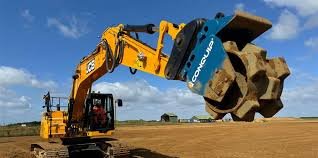
Civil projects run on tight timelines, and even small delays can affect the rest of the work. One of the simplest ways to improve progress on site is by getting more out of the equipment already in use. We-Attach, the leading excavator parts manufacturer in China, provides a wide range of attachments that help crews stay productive and adapt quickly to different tasks. With the right tools, one machine can handle more work and reduce the need for additional equipment.
1. Why Excavator Attachments Matter on Civil Projects
Civil sites often rely heavily on excavators, and when the machine is limited to just one task, the workflow slows down. Attachments solve this by giving one excavator the ability to take on digging, lifting, breaking, cleanup, and more. Instead of bringing in additional equipment or waiting for another machine to free up, the operator can switch to the attachment that fits the job. This simple change helps improve daily output, reduces idle time, and keeps the overall schedule more stable.
2. How Attachments Help Excavators Do More Work
Excavators already cover a wide range of tasks, but attachments expand what they can handle without extra steps or added equipment. With the right tools, an operator can move from digging to demolition or drilling with a quick change. This cuts down the waiting time that usually happens when contractors rely on multiple machines. It also keeps crews focused on the work in front of them instead of dealing with equipment shifts or crowded work areas. By using attachments from dependable suppliers like We-Attach, one excavator becomes a flexible machine that helps keep the project moving and reduces costs tied to rentals, fuel, and extra operators.
3. Key Excavator Attachments That Boost Productivity
Attachments play a big role in how efficiently an excavator works on a civil site. Each one brings its own advantage, helping crews complete tasks faster and with fewer interruptions.
Buckets
Buckets are the most common attachment and come in different styles for specific jobs.
- Standard digging buckets handle general earthmoving.
- Trenching buckets help create narrow cuts for utilities.
- Grading buckets are useful for leveling and finishing work.
Choosing the right bucket helps move material faster and more accurately.
Hydraulic breakers
Breakers handle tough materials like concrete, rocks, and asphalt. They reduce the need for manual breaking or separate demolition tools. On road projects or site clearing work, a breaker helps crews finish demolition tasks quickly and consistently.
Augers
For jobs that need holes for posts, poles, or footings, augers offer a clean and efficient solution. Instead of bringing in a separate drilling unit, an excavator with an auger can complete the task with better accuracy and in a shorter time.
Grapples
Grapples are ideal for handling logs, debris, scrap, or irregular materials. They offer better control than a bucket, which makes sorting and loading safer and more efficient. These are especially helpful during land clearing and demolition cleanup.
Other helpful tools
Compactors and rippers also help with soil work and tough ground conditions. A compactor smooths and compresses soil more quickly than manual methods, while a ripper helps break hard surfaces before digging.
By matching the attachment to the job, teams save time, reduce downtime, and avoid using multiple machines for tasks a single excavator can handle.
4. Efficiency Gains You’ll Notice on Civil Jobs
The right attachments can make a noticeable difference in how smoothly a project runs. The most obvious gain is time savings. Switching attachments instead of waiting for another machine allows crews to keep working without long pauses. This steady flow helps avoid bottlenecks that usually slow down progress.
Fuel use improves as well. When an attachment fits the task, the excavator does not need to work as hard, which helps keep fuel consumption under control. This also reduces wear on the machine.
Labor and equipment costs go down too. With fewer machines needed on site, contractors spend less on rentals, extra operators, and upkeep. Crews stay focused instead of waiting for equipment changes or moving between setups. Overall, the right attachments help create a jobsite where tasks finish on time and expenses stay manageable.
5. How to Choose the Right Excavator Attachments
Start by looking at the type of work your project requires. Digging, breaking, drilling, and material handling all call for different tools. From there, check if the attachment fits your excavator’s size, hydraulic flow, and mounting system. A poor match can slow the job or put unnecessary strain on the machine.
Think about how often the attachment will be used. For daily or long-term work, buying one makes sense. For short tasks, renting may be the smarter choice. It also helps to choose attachments made with solid materials that can handle tough conditions. Working with reliable manufacturers such as We-Attach gives you access to tools built for demanding civil environments.
6. Closing Thoughts
Excavator attachments offer a simple way to get more value from the machines already on site. They help crews finish tasks faster, keep the workflow steady, and reduce the need for extra equipment. As you plan upcoming projects, take a moment to review which attachments match the tasks ahead. A bit of preparation can help avoid delays, cut extra costs, and support steady progress from start to finish.