



An employer branding agency helps recruitment by planning how to present and communicate a company’s unique identity so it can attract high-quality candidates, speed up hiring, and cut long-term costs. Acting between marketing and HR, this kind of agency makes sure a company’s image as an employer is as strong and professional as its customer brand.
At a time when top professionals are very selective, working with a specialist employer branding agency All 4 Comms helps businesses stand out as a “destination employer” instead of just another job ad.
These agencies do more than just attract talent. They create the foundations for branding so that what happens inside the company matches what is promised to candidates on the outside. This match is key, because it builds trust from the first contact and helps attract people who are not only skilled, but also fit the company culture and long-term plans.
What Is Employer Branding in Recruitment?
Employer branding in recruitment is the planned process of defining and promoting your company’s reputation as a place to work. It is the mix of your mission, values, culture, and the specific promises you make to your employees. It answers the key question every thoughtful candidate has: “Why should I work here instead of somewhere else?” It is no longer a small marketing extra; it is a leadership priority that directly affects results, productivity, and growth.
A strong employer brand acts like a signal, attracting people who share the company’s beliefs and style. For example, Google is known for innovation and openness, while Patagonia appeals to those who care deeply about the environment.
By shaping and managing this picture, an agency helps a company move from reacting to hiring needs to following a clear, planned talent acquisition strategy.
Key Elements of an Effective Employer Brand
Building a strong brand needs more than a nice logo or a list of perks. It needs a close look at what truly makes the company different. Good branding has many parts: real benefits, career opportunities, and emotional connection. It builds a story that speaks to the mind, the feelings, and the instincts of a potential employee.
Employer Value Proposition (EVP)
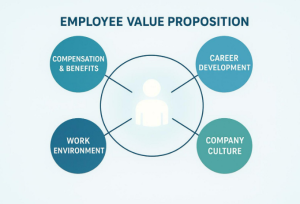
The Employer Value Proposition (EVP) is the foundation of employer branding. It explains the “give and get” of the job relationship-the unique mix of pay, benefits, development, and rewards the company offers in return for an employee’s skills, time, and performance.
A strong EVP is honest, based on data, and backed by proof, so that promises made in recruitment are actually kept after a new hire joins.
Company Culture and Mission
Workplace culture is the core of employer branding. It includes leadership style, how people work together, and how it feels to be part of the team every day. A clear mission brings in candidates who want their work to mean something.
When an agency shows a culture of inclusion or innovation, it builds safety, trust, and strong teams. Employees then naturally become advocates, sharing their real experiences with friends, family, and online networks.
Why Employer Branding Matters for Recruitment Success

Today, candidates research employers as carefully as customers research products. They check Glassdoor, social media, and employee reviews before they decide to apply. A strong employer brand helps this research lead to a positive view. Studies show that 75% of active job seekers are more likely to apply to a company that actively manages its employer brand.
A clear brand also acts like a filter. It does not just bring more applications; it attracts the right people. When a company clearly explains what it believes and how it works, many “wrong fit” candidates will not apply at all. This saves the recruitment team a lot of time and effort during screening.
To achieve such results, many international brands partner with experts like https://all4comms.com/, who specialise in high-quality communication campaigns that effectively build professional reputation across different markets.
Improves Candidate Quality and Cultural Fit
When your message reflects values like work-life balance, diversity, or bold new projects, you naturally attract strong candidates who are comfortable in that kind of setting. This cultural fit is very important for long-term success. People who join because they connect with the mission usually perform better, work well with others, and settle into their roles faster than those who join only for the salary.
Reduces Recruitment Costs
Good employer branding also helps financially. LinkedIn research shows that a strong employer brand can cut cost-per-hire by about 50%. When a company has a strong reputation, people come to it on their own, so it can spend less on job boards and external recruiters. A steady pool of interested, passive candidates means open roles can be filled faster and with less spend.
Boosts Retention and Employee Engagement
Honest branding is one of the best ways to reduce staff turnover. When the real job experience matches what was promised in interviews, employees feel more loyal and engaged. This lowers early resignations, which are very expensive, and builds a more motivated team. High retention is not just an HR win; it shows that the employer brand keeps its promises.
How an Employer Branding Agency Drives Recruitment Results
An employer branding agency does far more than produce “feel-good” content. It acts as a strategic partner and improves every stage of the candidate journey. From reviewing current reputation to training hiring managers and recruiters, these agencies follow a cycle of research, action, and measurement to check that the brand is working well. They act like mixers, combining company history, achievements, and real employee voices into one strong story.
Because they are external, agencies can spot gaps between how leaders think the company is seen and how the market really sees it. They then work to close these gaps with consistent messages and better candidate experiences.
Developing a Unique Employer Value Proposition
Agencies use detailed research-surveys, focus groups, and perception audits-to build a clear EVP based on facts. They do not guess what candidates want; they ask and analyse. Whether it is highlighting big, ambitious projects for tech talent, or stability and close teamwork for customer service roles, they shape the EVP for different target groups while keeping one main brand message.
Crafting Consistent Brand Messaging Across Recruitment Channels
Consistency builds trust. An agency makes sure that the voice, tone, and design used on LinkedIn, job boards, the careers site, and at job fairs all match. This gives candidates a smooth and familiar experience so that, wherever they see the company, they get the same clear and attractive message.
Improving Candidate Experience and Journey
Every touchpoint matters: how easy the application form is on a phone, how quickly emails are answered, and how clear feedback is. Agencies help improve each of these steps, so that even people who do not get the job still leave with a good feeling about the company. This positive experience often leads to recommendations to others and makes future hiring easier.
Leveraging Employee Advocacy and Social Proof
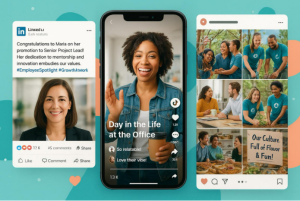
Agencies know that candidates trust employees more than corporate advertising. They help set up employee advocacy programs, so staff feel comfortable sharing real “day in the life” stories and successes. Because brand messages spread much further when shared by employees, this kind of social proof becomes a strong tool for building trust and awareness.
Improving Job Descriptions and Career Pages
Instead of plain, dull lists of duties, agencies write job ads that tell a clear and engaging story. They point out development paths, mention awards such as “Great Place to Work”, and use inclusive language that welcomes different groups. Career pages become active spaces with video stories, honest photos, and examples of real work life so candidates can imagine themselves in the company.
Aligning Interview and Onboarding Processes with Brand Values
The employer promise has to carry through into interviews and onboarding. Agencies often help set up structured interviews so hiring is fair and reflects the company’s values. They also bring the brand story into welcome packs, induction days, and first-week plans, reminding new hires why they chose the company and what they can expect ahead.
Proven Strategies Used by Employer Branding Agencies
Successful employer branding is rarely by chance; it comes from using tried-and-tested marketing methods in recruitment. Agencies focus on showing the human side of the company. They avoid empty HR buzzwords and instead share real, honest information about how it feels to work there-both the challenges and the wins.
By mixing online recruitment tools with more traditional ways of connecting with people, agencies keep the company visible to both active job seekers and passive candidates. This builds a steady flow of potential hires that can handle changes in the job market.
Storytelling Through Employer Brand Content
Instead of listing values like “innovation”, agencies show these values through real stories about projects and people. This storytelling style creates a real connection with candidates. For example, showing how someone grew from an entry-level role to general manager, as Chipotle has done, gives clear proof that career growth is possible.
Showcasing Company Culture on Social Media
Instagram, LinkedIn, TikTok, and similar platforms work like open windows into a workplace. Agencies use them to share community projects, diversity programs, and everyday office moments. This more informal content helps the company build a friendly, real identity that feels approachable to modern job seekers.
Incorporating Employee Testimonials and Success Stories

Agencies focus on real employees instead of stock photos. Video and written testimonials where staff talk about their growth, support from managers, or why they believe in the mission carry strong weight. These stories sit within the wider employer brand and help turn abstract claims into real, visible proof.
Implementing Candidate Feedback Loops for Continuous Improvement
An employer brand cannot stay fixed; it needs to change as people’s needs change. Agencies set up feedback tools such as post-interview surveys, offer-decline surveys, and new-hire check-ins. By listening to what candidates and fresh employees liked or disliked, they can keep updating and improving the message and the process.
Measuring the Impact of Employer Branding on Recruitment
Employer branding may seem soft, but its effects can be tracked with clear recruitment metrics. Agencies help senior leaders see the return on investment by linking branding actions to hiring results. Using data from applicant tracking systems and online sentiment, they can show how the brand is performing.
Regular reviews of brand health help keep the strategy in line with what workers want, such as remote work options or openness about diversity, equity, and inclusion (DEI).
Key Recruitment Metrics to Track
To track how well employer branding is working, agencies follow several Key Performance Indicators (KPIs):
- Cost Per Hire (CPH): Lower CPH shows that people are coming in more organically.
- Time to Fill: Shorter times show roles are being filled faster thanks to stronger attraction.
- Offer Acceptance Rate: High rates show that the EVP and brand are convincing.
- Quality of Hire: Based on how well new hires perform and how quickly they adjust.
- Source of Hire: Shows which channels and campaigns bring in the best candidates.
Measuring Return on Investment for Employer Branding Efforts
For medium and large companies, the money gained from a stronger employer brand can reach millions. Lowering turnover by up to 28% and cutting hiring costs by half quickly covers the investment. Agencies report on these numbers often so that leaders keep supporting employer branding and direct budget to the activities that deliver the best results.
Next Steps for Strengthening Employer Branding in Recruitment
Building a strong employer brand is an ongoing cycle of listening, adjusting, and improving. For many companies, the first step is to clearly define and write down their core values so they become real behaviours, not just posters on a wall. After that, making sure all inside and outside communication reflects these values creates the steady picture needed to build trust with candidates around the world.
As the workforce changes-and Gen Z and Millennials put more focus on purpose, honesty, and flexibility-keeping up with hiring trends becomes more and more important. Tracking data about your workforce and asking current employees for regular feedback will help your brand stay a clear guide for the best talent.
When to Partner with an Employer Branding Agency
Working with an agency is especially helpful when a company plans to grow fast and carefully, or when it has image problems, such as being seen as old-fashioned or slow in a fast-moving industry. If your cost-per-hire keeps rising or you find it difficult to attract very specific skill sets, an agency can bring specialist knowledge and an external view to refresh how people see you and deliver clear recruitment improvements.
Looking ahead to 2026, employer branding is being shaped more and more by personalization at scale and the remote work revolution. Agencies are now using AI and advanced analytics to adjust messages for different types of candidates, so a “software engineer in Berlin” will see a different and more relevant view of the EVP than a “marketing manager in New York”.
At the same time, the rise of global, project-based work and the gig economy means employer branding now has to cover freelancers and contractors as well.
Every person who works with the company, no matter their contract type, should have a positive experience. Companies that follow these trends can build a long-lasting advantage that goes beyond borders and attracts the best people wherever they are.