


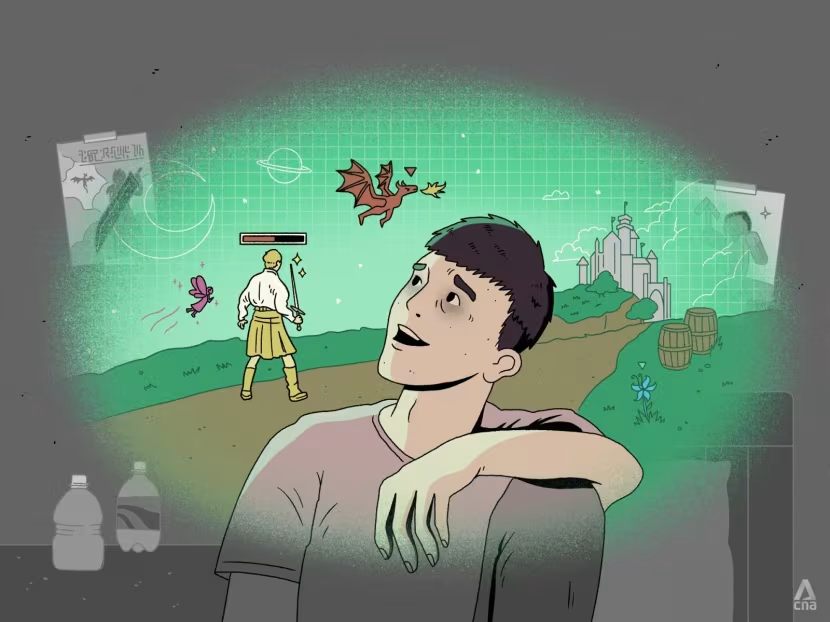
For many of us these days, gaming has evolved far past a casual pastime. Especially for those associated with the esports scene, it’s a serious pursuit that demands focus, training and dedication. Even for more casual players, there’s a real emphasis on putting the hours in, “grinding”, developing strategies and finding ways to progress.
But as gaming becomes increasingly competitive, a question is starting to emerge around the line between healthy discipline and addiction forming. Many alcohol help rehab centres are now finding themselves with more gamers arriving in their receptions, and it’s something we should, as a society, be more conscious of, especially among our young friends and relatives.
So, what is the difference between being disciplined and addiction forming? We delve into where the lines start to cross and blur…
Understanding Competitive Discipline
Competitive discipline in gaming is similar to discipline in traditional sports. Professional and aspiring esports players follow structured routines designed to improve performance. This can include scheduled practice sessions, reviewing gameplay footage, maintaining physical fitness, and developing teamwork skills.
A disciplined gamer usually has clear goals and boundaries. They understand the importance of balancing gaming with other areas of life, such as education, work, relationships, sleep, and exercise. Even when gaming takes up a large amount of time, it remains purposeful and controlled.
Top esports organisations increasingly encourage healthier lifestyles among players. Coaches, psychologists, and fitness trainers are often involved to ensure players maintain both physical and mental well-being. In this environment, gaming becomes a skill-based profession rather than a compulsive habit.
What Defines Gaming Addiction?
Gaming addiction, sometimes referred to as gaming disorder, is very different from disciplined practice. The issue is not simply the number of hours spent gaming, but the loss of control over those habits.
A person struggling with gaming addiction may continue playing despite negative consequences. They might neglect responsibilities, isolate themselves socially, lose sleep regularly, or experience declining mental health. Gaming becomes less about enjoyment or improvement and more about escaping stress, anxiety, or real-life problems.
One of the clearest warning signs is when someone feels unable to stop playing, even when they genuinely want to. This compulsive behaviour can interfere with school, work, finances, and relationships.
The World Health Organization officially recognised gaming disorder in 2019, highlighting growing concerns around unhealthy gaming patterns. However, experts also stress that not every passionate gamer is addicted. Context and behaviour matter far more than raw playtime alone.
The Role of Dopamine and Reward Systems
Modern games are specifically designed to keep players engaged. Ranking systems, achievements, battle passes, loot rewards, and progression mechanics all trigger the brain’s reward system. Competitive games can create a constant cycle of short-term goals and instant gratification.
For disciplined players, these systems are motivating but manageable. They use rewards as part of improvement and competition. For addicted players, however, these mechanics can become psychologically consuming.
The problem intensifies when gaming starts replacing healthier sources of fulfilment. Instead of social interaction, exercise, hobbies, or career goals, players may rely solely on gaming for emotional satisfaction.
When Passion Becomes Unhealthy
There is often a fine line between ambition and obsession. A player training for a tournament may spend eight hours practising in a single day, which could appear excessive to outsiders. Yet if that routine is temporary, structured, and balanced with proper rest and responsibilities, it may simply reflect professional commitment.
The situation becomes unhealthy when gaming begins to damage quality of life. Warning signs can include irritability when unable to play, declining academic or work performance, disrupted sleep patterns, poor hygiene, and withdrawal from friends or family.
Another key distinction is emotional response. Disciplined gamers usually feel satisfaction from improvement and competition, while addicted players often experience guilt, frustration, or emotional dependence connected to gaming.
Finding a Healthy Balance
Gaming itself is not inherently harmful. In fact, competitive gaming can improve reaction times, teamwork, communication, and problem-solving skills. For many people, gaming is also an important social outlet and source of entertainment.
The key is balance and self-awareness. Healthy gamers set limits, take breaks, maintain offline relationships, and recognise when gaming is negatively affecting their wellbeing. Parents, players, and esports organisations all have a role to play in promoting healthier gaming habits.
As esports continues to grow worldwide, conversations around gaming addiction and competitive discipline will become increasingly important. Passion and dedication are valuable traits, but only when they exist alongside control, balance, and personal wellbeing.