


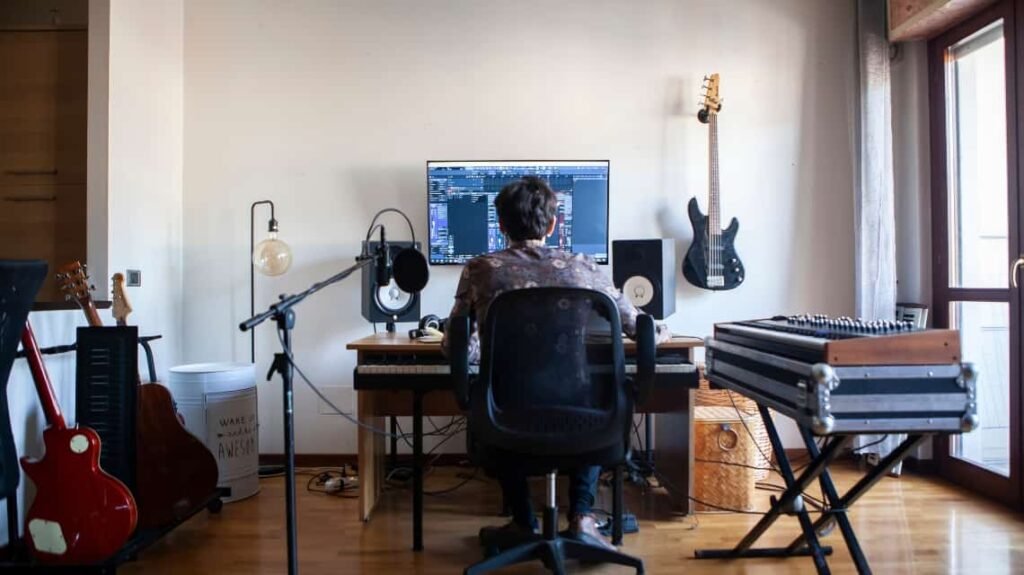
Almost every producer’s origin story looks the same. A laptop, a half-decent audio interface, and a spare room that slowly turns into a studio. There’s no major paperwork needed to set up a production establishment. Very little formal setup goes into this stage. The producer simply creates and releases music, and that arrangement works well enough for a time. But at some point, usually once income arrives regularly from more than one source, company registration in Mumbai starts to look less like an optional formality and more like something that genuinely needs addressing.
There is rarely a single moment that triggers this shift. It is typically a combination of factors emerging around the same time. Licensing deals stop being occasional and start showing up regularly. A brand wants to sponsor a beat pack or pay for a sync placement, and instead of just sending money, they ask for an invoice from a registered entity. Meanwhile, the royalties are trickling in from four or five different platforms, and at some point, a spreadsheet just can’t keep up anymore. Maybe a second producer joins in, and now two people need to know exactly how revenue gets split.
Why Producers in Mumbai Specifically Run Into This Early
Mumbai has more music studios, labels, and sync licensing agencies packed into it than almost anywhere else in the country. That means producers based there tend to hit the legal threshold sooner than most. A producer selling beats out of a home studio can still operate as an individual for a while. But once labels or agencies in the city start requiring GST invoices for royalty payments or sync deals, an individual seller runs into a wall.
GST registration requires a valid business address, and this is exactly where a virtual office in Mumbai and company registration become relevant. It gives a producer a registered commercial address to file with. There’s no need for an actual studio lease or office space they don’t use.
The city’s music industry increasingly expects both a registered business and a proper business address as basic transaction requirements.
What Actually Makes a Producer Eligible
Eligibility here isn’t about talent or catalog size. It comes down to a few practical factors. Revenue crossing a certain threshold, like for GST, once turnover crosses ₹20 lakh for services in most states, registration becomes mandatory. Working with multiple collaborators matters too, since a registered entity makes profit-sharing and liability clearer than an informal verbal arrangement ever will.
Receiving payments from international platforms or sync licensing agencies matters as well. Many of them simply won’t process payments to an unregistered individual beyond a certain point.
The Address Problem Nobody Talks About
Here’s something that catches a lot of independent producers off guard. Registering a company, even a one-person company, requires a registered address with supporting documents. A home address works on paper, but it can create friction with banks, GST authorities, and clients who expect a commercial address on official correspondence.
A virtual office in Mumbai solves this cleanly for most independent producers. The producer keeps working exactly where they already work, spare room, acoustic foam and all. The paperwork just reflects a proper business address instead of a home one. That matters a great deal when a label or client checks the registered address before signing off on a deal.
The Real Question to Ask
None of this is about producers needing to act more professionally or chase legitimacy for its own sake. It’s about whether the current setup is actually costing money or opportunities. A missed sync deal because there was no GST invoice ready. A royalty payment delayed because a platform needed a registered business name. A collaborator dispute that could have been avoided with clear terms on paper.
If any of that sounds familiar, that’s usually the real signal worth paying attention to. Not a fixed income number, and not a specific age of the studio setup. Just whether staying unregistered has started quietly costing more than registering would.