


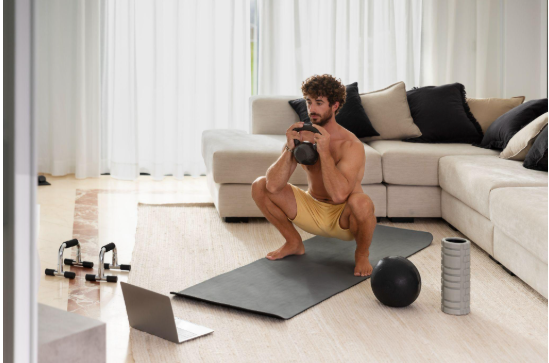
Home workouts have evolved beyond basic exercise routines, and homeowners now create dedicated spaces that blend fitness, convenience, design, and technology. Modern workout areas can now support a range of training preferences.
Choosing suitable home fitness exercise equipment can make these spaces more practical and adaptable. From strength training to mobility work, thoughtful equipment selection helps homeowners create environments that encourage regular activity while fitting naturally into everyday living spaces.
Designing Functional Spaces Around Home Fitness Exercise Equipment
A well-planned workout area balances available space, equipment requirements, comfort, and visual appeal to create a practical environment for regular exercise.
- Planning Around Available Floor Space
The size and layout of a home workout area affect which equipment you can use comfortably. Homeowners should consider floor dimensions, ceiling height, storage requirements, and movement space before purchasing large machines. Equipment should allow users to exercise without creating unnecessary obstacles around the room. Wall-mounted or compact options can work particularly well in limited spaces. Planning the layout first also makes it easier to maintain clear walking paths and organize accessories such as resistance bands, mats, weights, and towels.
- Choosing Equipment for Different Training Goals
Workout requirements vary depending on whether the focus is strength, cardio, flexibility, mobility, or general conditioning. Choosing equipment based on specific goals can prevent unnecessary purchases and make the workout space more useful. Adjustable resistance systems, cardio machines, benches, mats, and free weights can serve different purposes when selected carefully. Homeowners should consider their current fitness routines and any activities they may want to add later. Versatile equipment can support changing preferences without requiring constant room changes.
- Creating Comfortable Training Conditions
Comfort plays an important role in making home workouts easier to maintain. Adequate ventilation, suitable flooring, appropriate lighting, and comfortable temperatures can improve the overall exercise environment. Natural light can make a room feel more open, while adjustable lighting can create different moods for strength sessions, stretching, or recovery activities. Flooring should provide sufficient grip and cushioning for the intended exercises. Small details such as mirrors, water storage, towels, and accessible equipment can also make the space more convenient for regular use.
- Integrating Storage Into the Workout Area
Good storage keeps exercise spaces organised and reduces visual clutter. Shelving, cabinets, wall hooks, and dedicated equipment racks can provide practical places for smaller accessories. Position storage so frequently used items stay easy to reach without interfering with movement. Multi-purpose furniture can also help smaller rooms serve several functions while keeping fitness equipment organised. A tidy environment can make it easier to start workouts and keep the room as part of the home’s wider interior, rather than letting equipment scatter across living areas.
Creating Multi-Purpose Home Workout Environments
Modern workout rooms can serve several purposes while staying cohesive with the home’s overall design and lifestyle.
A dedicated exercise area does not always need to occupy an entire room. Spare bedrooms, home offices, balconies, basements, or sections of larger living spaces can be adapted for fitness activities. Flexible furniture and compact home fitness exercise equipment make it easier to transition between exercise and other household functions. Designers can also coordinate flooring, storage, mirrors, lighting, and finishes with surrounding interiors. This approach allows fitness areas to feel like an intentional part of the home rather than an isolated space filled with equipment.
Building Premium Experiences With Home Fitness Exercise Equipment
Thoughtful equipment choices can transform a basic exercise area into a more personalised environment focused on convenience, performance, and long-term usability.
- Combining Strength and Conditioning Options
A balanced home gym can accommodate several training styles without becoming overcrowded. Resistance equipment supports strength development, while cardio options provide additional conditioning. Adjustable systems may let users perform multiple exercises with one main unit, making them useful for rooms with limited space. Choosing equipment that complements existing routines can create a more versatile setup. The goal is to create an environment where different activities can be done comfortably while keeping the overall layout organised and accessible.
- Prioritising Build Quality and Durability
Fitness equipment sees repeated use, so construction quality matters. Strong frames, reliable components, stable bases, and durable surfaces can support longer-term use. Buyers should review specifications, warranty information, maintenance requirements, and available support before deciding. Equipment should also match the intended frequency and intensity of use. Considering these practical factors can help homeowners avoid replacing unsuitable products frequently while creating a workout environment that stays useful as exercise habits develop.
- Matching Equipment With Interior Design
A home workout space can be both functional and visually coordinated. Neutral finishes, integrated storage, mirrors, clean lines, and carefully positioned equipment can help the room complement surrounding interiors. Place large equipment thoughtfully to avoid making the space feel crowded. Where possible, homeowners can select designs that blend with existing architectural features and furniture. This creates a more cohesive environment that supports exercise while maintaining the home’s visual character.
- Supporting Consistent Exercise Habits
Convenience is a major advantage of exercising at home. Having equipment readily available can remove some barriers associated with travelling to a fitness facility. A well-organised space can also make it easier to follow planned routines, stretch after training, or complete short sessions during busy schedules. However, consistency depends on realistic goals and sustainable habits. The workout environment should therefore make exercise accessible without creating unnecessary complexity, helping users incorporate physical activity into their regular routines.
Conclusion: Creating a More Complete Home Fitness Experience
The modern home workout space can combine exercise, technology, convenience, and thoughtful interior planning. With careful equipment selection and practical space management, homeowners can create environments that support consistent activity while fitting naturally into everyday living.
For those seeking a more advanced approach, a luxury home gym can combine premium equipment, refined interiors, smart technology, and personalized workout experiences. Imbody offers smart home fitness solutions designed around compact spaces, digital training, adjustable resistance, and integrated technology. For example, its Power S system combines strength-training capabilities with digital programs and a touchscreen display, offering a connected fitness experience for residential settings.