


International trade has become more interconnected than ever, making efficient logistics an essential part of business success. Companies of every size depend on organised transportation networks to move products safely across domestic and international markets while maintaining customer satisfaction and operational efficiency. Understanding freight forwarding UK helps businesses streamline shipping processes, reduce administrative complexity, and improve supply chain performance through coordinated transport solutions that connect manufacturers, suppliers, warehouses, ports, airports, and final delivery destinations.
What Is Freight Forwarding and Why Is It Important?
Freight forwarding is the process of organising and coordinating the movement of goods from one location to another through carefully planned logistics operations. Rather than simply transporting cargo, freight forwarding involves managing documentation, selecting transport routes, arranging customs procedures, coordinating carriers, and monitoring shipments throughout their journey.
Businesses rely on freight forwarding because it simplifies international trade while improving delivery reliability. Whether shipping small commercial consignments or large industrial cargo, professional logistics planning helps minimise delays and supports efficient movement across multiple transport networks.
As global supply chains continue expanding, freight forwarding remains one of the most valuable services supporting worldwide commerce.
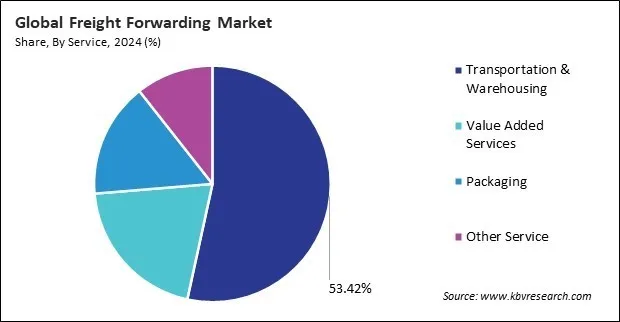
What Do Industry Statistics Reveal About Freight Forwarding?
Modern logistics continues experiencing strong growth as international trade volumes increase.
Current industry observations include:
- Global trade continues to generate increasing demand for integrated logistics services.
- Digital shipment visibility has become a standard expectation among commercial customers.
- Businesses are investing more heavily in resilient supply chains following recent global disruptions.
- Air, sea, road, and rail transport increasingly operate through connected logistics platforms.
- Automation continues improving warehouse efficiency and cargo handling accuracy.
- Sustainability initiatives are encouraging businesses to optimise transportation routes.
- Cross-border e-commerce continues driving international freight volumes.
- Data-driven logistics planning helps improve delivery performance and operational efficiency.
These trends demonstrate the growing importance of coordinated freight management within today’s commercial environment.
Which Transport Methods Are Commonly Used?
Freight forwarding combines multiple transportation options depending on shipment requirements.
The most common transport methods include:
- Road freight
- Air freight
- Ocean freight
- Rail freight
- Multimodal transport
Each option offers different advantages depending on delivery deadlines, cargo characteristics, destination, and transportation costs.
Many businesses combine several transport methods within a single shipment to achieve the best balance between speed and affordability.
Why Do Businesses Choose Professional Freight Forwarding?
Managing international logistics independently can involve numerous operational challenges.
Professional freight forwarding offers advantages such as:
- Simplified shipping coordination
- Improved documentation management
- Better customs compliance
- Increased shipment visibility
- More efficient route planning
- Reduced administrative workload
- Enhanced cargo security
- Flexible transport solutions
These benefits allow businesses to focus on core operations while logistics specialists coordinate transportation activities.
Which Industries Depend Most on Freight Forwarding?
Nearly every commercial sector benefits from organised freight movement.
Industries frequently using freight forwarding include:
- Manufacturing
- Retail
- Automotive
- Construction
- Pharmaceuticals
- Consumer electronics
- Food distribution
- Engineering
- Fashion
- Renewable energy
Each industry requires dependable transportation to maintain production schedules and customer commitments.
How Does Freight Forwarding Improve Supply Chain Efficiency?
An organised logistics strategy reduces unnecessary interruptions throughout the supply chain.
Key improvements include:
- Better inventory planning
- Reduced transit delays
- Improved communication
- Faster customs processing
- Enhanced shipment monitoring
- More accurate delivery forecasting
Efficient freight coordination supports smoother commercial operations while helping businesses respond quickly to changing market conditions.
What Documentation Is Normally Required?
International shipments require accurate documentation to support customs clearance and regulatory compliance.
Frequently required documents include:
- Commercial invoice
- Packing list
- Bill of lading or air waybill
- Import declarations
- Export declarations
- Certificates of origin where applicable
- Product compliance documentation
- Customs clearance paperwork
Complete documentation reduces the likelihood of shipment delays and unnecessary inspections.
What Factors Influence Shipping Costs?
Freight costs depend on several operational variables rather than a fixed pricing structure.
Important considerations include:
- Shipment weight
- Cargo dimensions
- Transport method
- Delivery destination
- Collection location
- Customs charges
- Fuel price adjustments
- Seasonal demand
- Insurance requirements
- Special cargo handling
Understanding these factors allows businesses to estimate transportation budgets more accurately.
How Does Technology Support Modern Freight Forwarding?
Technology has transformed logistics management through improved automation and digital communication.
Modern freight operations frequently use:
- GPS shipment tracking
- Electronic documentation
- Warehouse management software
- Route optimisation systems
- Digital customs processing
- Automated inventory integration
- Delivery notifications
- Real-time cargo monitoring
These innovations improve operational transparency while supporting faster decision-making throughout the supply chain.
Why Is Customs Compliance So Important?
Customs regulations play a significant role in international shipping.
Accurate compliance helps businesses:
- Avoid unnecessary delays
- Reduce administrative errors
- Minimise inspection risks
- Maintain legal compliance
- Improve border clearance efficiency
Carefully prepared documentation contributes to smoother international transportation from origin to destination.
How Can Businesses Reduce Shipping Delays?
Although some delays remain unavoidable, businesses can reduce operational risks through careful planning.
Recommended practices include:
- Preparing documentation before collection
- Confirming shipment measurements accurately
- Using secure packaging
- Booking transport early during peak seasons
- Monitoring shipment progress regularly
- Maintaining communication with logistics providers
- Reviewing customs requirements before dispatch
These steps help improve overall transportation reliability.
What Packaging Standards Should Be Followed?
Proper packaging protects cargo throughout handling and transportation.
Businesses should ensure:
- Strong outer packaging
- Secure internal protection
- Stable pallet loading when appropriate
- Clear shipping labels
- Accurate handling instructions
- Even weight distribution
Well-prepared shipments reduce damage risks while improving handling efficiency across logistics facilities.
Why Is Shipment Visibility Important?
Modern businesses increasingly expect full visibility throughout the shipping process.
Real-time tracking provides:
- Location updates
- Estimated delivery times
- Exception notifications
- Improved customer communication
- Better inventory planning
- Faster operational responses
Greater transparency enables businesses to make informed decisions whenever unexpected disruptions occur.
How Does Freight Forwarding Support International Growth?
Expanding into overseas markets requires dependable transportation systems.
Freight forwarding supports business growth by helping companies:
- Reach international customers
- Simplify export operations
- Manage import procedures
- Improve delivery reliability
- Support global sourcing
- Expand distribution networks
Reliable logistics provide businesses with greater confidence when entering new markets.
What Environmental Trends Are Influencing Logistics?
Sustainability has become an increasingly important consideration within freight transportation.
Current environmental initiatives include:
- Route optimisation to reduce fuel consumption
- Improved vehicle efficiency
- Better warehouse energy management
- Increased use of digital documentation
- Smarter load planning
- Reduced empty vehicle movements
These improvements help businesses reduce operational waste while improving transport efficiency.
What Challenges Does the Freight Industry Continue to Face?
Despite technological advancements, logistics providers continue addressing several operational challenges.
Common challenges include:
- Port congestion
- Seasonal demand fluctuations
- Customs regulation changes
- Fuel price volatility
- Labour shortages
- Weather-related disruptions
- Infrastructure limitations
- Global supply chain interruptions
Strong planning and flexible logistics strategies help businesses adapt to changing market conditions.
How Can Businesses Select the Right Freight Solution?
Choosing the most suitable transportation strategy depends on business priorities.
Important evaluation points include:
- Delivery deadlines
- Cargo value
- Shipment size
- Destination requirements
- Budget considerations
- Regulatory obligations
- Supply chain flexibility
- Customer service expectations
Reviewing these factors supports better logistics planning and long-term operational success.
What Does the Future of Freight Forwarding Look Like?
The freight forwarding sector continues evolving as technology, sustainability, and customer expectations reshape global logistics.
Future developments are expected to include:
- Greater automation across warehouses
- Expanded artificial intelligence for route planning
- Improved predictive shipment analytics
- Enhanced digital documentation systems
- Increased real-time cargo visibility
- More environmentally efficient transportation networks
Businesses adopting modern logistics strategies will likely benefit from stronger operational performance and improved supply chain resilience.
Final Thoughts
Freight forwarding plays a central role in supporting domestic and international commerce by coordinating complex transportation processes into efficient, reliable logistics solutions. Industry statistics continue demonstrating strong growth driven by expanding global trade, digital transformation, and increasing customer expectations for faster, more transparent deliveries. By understanding transport options, customs procedures, documentation requirements, technology trends, packaging standards, and supply chain best practices, businesses can make informed logistics decisions that improve operational efficiency, strengthen customer relationships, reduce transportation risks, and support sustainable long-term growth in an increasingly competitive global marketplace.