


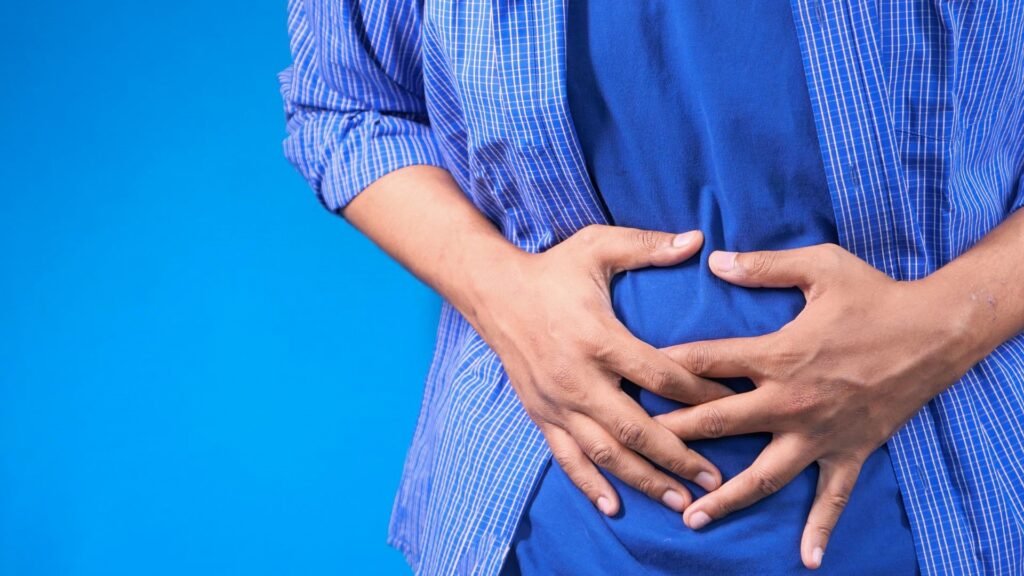
Urinary issues are more common than people realise, typically beginning with a mild illness that gradually becomes more severe over time. Urinary disorders may affect men and women alike, with different causes and manifestations. Early detection of urinary abnormalities is key to effective treatment and to preventing the development of complications such as infection, kidney damage, or bladder dysfunction. Identifying early symptoms and taking steps to rectify them can lead to optimal urinary health and overall well-being.
Learning about the Urinary System
The urinary system is made up of the kidneys, ureters, bladder, and urethra. The main function of the urinary system is the expulsion of waste and maintenance of fluid balance in the body. In males, urinary function is also assisted by the prostate gland. After irritation, obstruction, or infection of any part of this system, urinary symptoms can develop very quickly.
Early Signs of Urinary Issues
Early signs are non-specific but generally worsen over time if left untreated. Attending these warning signs makes certain that potential problems are discovered early. In some cases, men experiencing prostate-related urinary problems may be advised medications like urimax d tablet for symptom management:
- Frequent urination: The constant need to urinate, especially at night, indicates irritation or infection in the bladder or the urinary tract.
- Urgency: Need to urinate, which is hard to control suddenly may be due to urinary tract infection (UTI) or overactive bladder.
- Burning sensation: Pain or burning while urinating usually suggests inflammation or infection.
- Weak stream: Common in men with an enlarged prostate, this occurs when the stream of urine is slow or blocked.
- Incomplete emptying: Feeling like one has a full bladder after urination may be a sign of bladder outlet obstruction or nerve issues.
- Discoloured or cloudy urine: Unusual colour or appearance of urine may be due to infection, dehydration, or blood in the urine.
- Pelvic pain or pressure: Pain or pressure in the lower abdomen or groin could be a sign of retention or bladder inflammation.
Urinary Causes of Discomfort
The following are urinary causes, varying with age, gender, and overall health:
- Urinary tract infections: Bacteria in the bladder or urethra cause inflammation, leading to pain and frequent urination.
- Benign Prostatic Hyperplasia (enlarged prostate): A prostate that swells in men could cause urine to be obstructed.
- Kidney stones: Mineral solid masses may block urine flow, producing intense pain and painful urination.
- Overactive bladder: The bladder muscle contracts excessively, leading to a sudden urge to urinate.
- Dehydration: Insufficient fluids lead to concentrated urine, which in turn inflames the lining of the bladder.
- Neurological disorders: Conditions such as diabetes or spinal injury can impact bladder control.
Lifestyle Changes to Manage Early Symptoms
A few changes in habits can relieve much distress and provide normal urinary function.
- Avoid Alcohol: Drink sufficient water throughout the day to wash out toxins and prevent bacterial growth. Avoid excessive use of caffeine and alcohol, which irritate the bladder.
- Practice healthy voiding habits: Void frequently and avoid holding urine for long periods, as this can exhaust the bladder.
- Practice hygiene: Good personal hygiene will avoid infection, particularly in women. Wipe from front to back and wear cotton underwear because it allows less bacterial growth.
- Maintain a healthy weight: Excess weight compresses the bladder, increasing urinary symptoms.
- Avoid bladder irritants: Spicy food, citrus fruits, and fizzy drinks can worsen urinary urgency and pain.
Pelvic Floor Exercises and Bladder Training
Pelvic floor exercises, like Kegels, strengthen the muscles that regulate urination. This is particularly helpful for those who have leakage or urgency. To do Kegels, squeeze and release the pelvic muscles (as if to halt urination midstream) for a few seconds at a time, several times daily.
Bladder training involves regular toilet visits at set intervals, gradually increasing the time between urination needs. Over time, this increases bladder capacity to hold urine without pain and tightens control.
Medical Evaluation and Diagnosis
If urinary symptoms persist for more than a few days, it is necessary to consult a health professional. A doctor may perform some tests, such as a urinalysis, ultrasound, or prostate test, to identify the cause. Early diagnosis is necessary to avoid consequences like frequent infection or damage to the kidneys.
For those who have difficulty urinating, an enlarged prostate (BPH) is a common diagnosis. For them, medications that relax smooth muscles in the bladder and enhance urine flow may be prescribed. For instance, medications like Urimax D relieve urinary obstruction and correct the symptoms of prostate enlargement, improving the quality of life in general.
Treating Urinary Tract Infections
For bacterial infections, antibiotics are the drug of choice. It is important to complete the full course of medication prescribed by a physician, even if there is relief from symptoms, to prevent relapse. Along with antibiotics, increased fluid intake and the use of probiotics can help reinstate normal intestinal and urinary flora.
If it is a fungal or viral infection, the right antifungal or antiviral medication will be prescribed by a doctor.
Diet and Nutrition for the Urinary System
Choosing good food can support urinary health:
- Fibre-rich foods: Fruits, vegetables, and whole foods prevent constipation, which could be irritating to the urinary pressure.
- Vitamin C-rich foods: Citrus fruits and berries (in moderation) acidify urine to check bacterial growth.
- Cranberry juice: Lowers the risk of urinary tract infection by inhibiting bacteria from adhering to bladder walls.
- Magnesium and zinc: Promote relaxation of muscles and hormone regulation, indirectly serving urinary function.
Limiting processed foods and salt maintains overall fluid balance and kidney function.
When to Get Immediate Medical Care
Sure signs should never be ignored and require immediate medical attention, including:
- Blood in the urine
- Severe abdominal or back pain
- Fever, chills, or nausea accompanied by urinary symptoms
- Difficulty passing urine or acute urinary retention
Long-Term Prevention and Monitoring
Prevention of urinary problems requires regular, proper care and attention. Regular checkup, particularly in people aged 50 and older, is recommended to monitor prostate or bladder health. Regular exercise, proper blood sugar control for diabetes, and a healthy diet enable the urinary system to function optimally in the long run.
Conclusion
Urinary problems typically start with subtle symptoms that individuals tend to neglect. Detection of early symptoms like frequency, urgency, or burning and timely adjustments through lifestyle or medical changes can prevent acute complications. Hydration, a healthy diet, regular exercise, and follow-up in the practice of medicine are key steps towards urinary health. If it is an acute infection or a chronic structural problem, treatment at an early stage guarantees enhanced comfort and confidence in daily activities.
Disclaimer: The article is for educational purposes only and should not be interpreted as medical advice. In all cases, consult an appropriate healthcare provider before starting any treatment, medication, or management of urinary issues.