


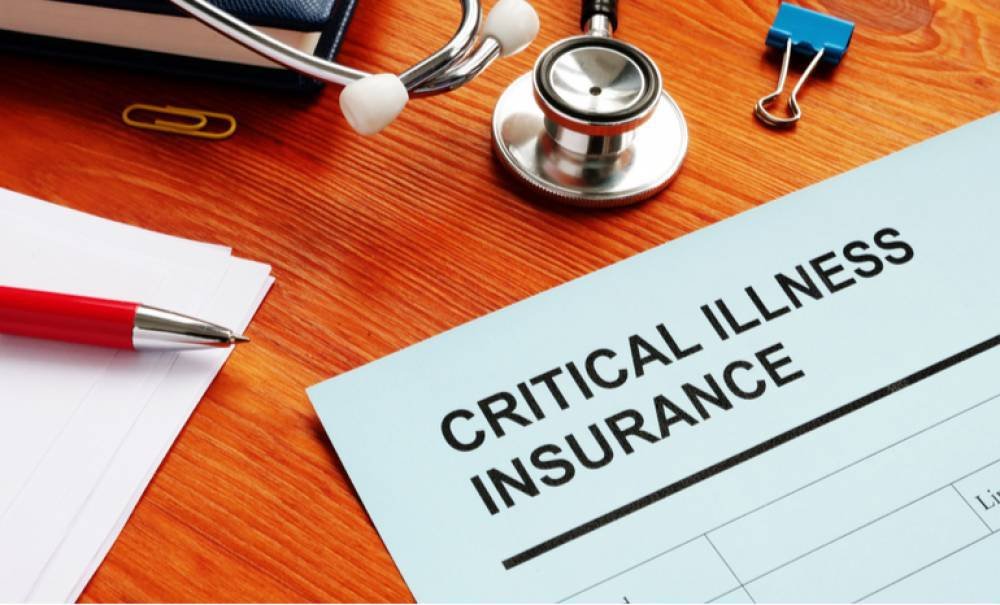
Critical diseases are serious health conditions that threaten life severely, tending to call for extensive therapy and long-term management. They constitute ailments such as cancer, heart attack, stroke, and organ failure.
Hence, treating such illnesses can create significant economic pressure on you and your family members. To learn more about enrolling in a critical illness insurance policy, keep reading!
Wider List of Critical Illnesses Covered by Insurance
Every year, about 9.3 lakh lives are lost because of cancer, which requires extensive treatment. Critical illness insurance offers financial assistance for the cost of treatment and recovery.
- Cancer: Critical illness coverage for a range of cancers, particularly the types where specialised care is needed in the form of chemotherapy, radiotherapy, or surgery.
- Heart Attack: Usually, insurance is required for the first heart attack of a certain severity, causing severe health complications.
- Stroke: Strokes leading to long-term neurological disabilities, including loss of motor or mental functions, are covered.
- Chronic Kidney Failure: It requires routine dialysis, and treatment is generally covered.
- Major Organ Transplants: Includes life-saving transplants like heart, liver, bone marrow, or kidney transplants.
- Other Critical Illnesses: It could include conditions like coma, paralysis, or brain damage of certain types that severely impact the quality of life.
Detailed List of Critical Illnesses Covered by Insurance
Every year in India, about 1.75 lakh people suffer from chronic kidney failure and require dialysis. This requires a critical illness insurance, which also covers the following illnesses:
- Neurological and Brain Disorders: Coma, severe head trauma, encephalitis, Creutzfeldt-Jakob Disease (CJD), Alzheimer’s disease, Parkinson’s disease, multiple sclerosis, apallic syndrome, and speech loss impair brain function, consciousness, or movement, with resulting permanent disability.
- Organ and System Failures: Organ failure, cirrhosis of the liver, hepatic failure secondary to fulminant viral hepatitis, cardiomyopathy, pulmonary hypertension, pneumonectomy, and major organ transplants, including heart, liver, or lung, are added because they present with life-threatening complications.
- Musculoskeletal and Neuromuscular Disorders: Diseases such as paralysis, muscular dystrophy, motor neuron disease, severe rheumatoid arthritis, and lupus erythematosus with lupus nephritis impair mobility, muscle function, and joint function.
- Permanent Deafness and Blindness: These are included because they have a major impact on quality of life.
- Severe Chronic and Infectious Conditions: Critical illnesses include chronic lung disease, COPD, severe Crohn’s disease, aplastic anaemia, bacterial meningitis, and third-degree burns, which require intensive care and long-term management.
Key Features of a Critical Illness Health Insurance
Critical illness insurance gives protection against potentially life-threatening illnesses, such that one’s medical bills do not take a toll on them. Here are the key features of a critical illness health insurance:
-
Unique Cover
Such a policy offers a lump-sum payment on the diagnosis of serious illnesses, such as cancer, heart conditions, and stroke. You can select the duration for one, two, or three years to gain flexibility according to your health requirements.
-
Flexible Payment Options
You can pay premiums in instalments, quarterly, half-yearly, annually, or even biennially or triennially. This makes it convenient to plan financially.
-
Pre-Medical Examination
People under 50 years old do not need a medical screening. Individuals over 50 or with a poor medical history need to take a pre-medical check-up before policy acceptance.
-
Sum Insured
The minimum sum insured begins at Rs. 5,00,000 and extends up to Rs. 25,00,000 in increments of Rs. 1,00,000. For income-earning individuals, coverage may be 12 times of yearly income (18–35 years) or 10 times (above 35). While non-earning individuals have the option for a maximum of Rs. 15,00,000.
Alongside a lump‑sum payout, many people now pair their policy with Cashless health insurance, so day‑to‑day hospital bills are handled without upfront payments during treatment. With Cashless health insurance, approved hospitals talk directly to the insurer’s systems, letting the claim get authorised while you focus on surgery, chemo, or rehab instead of arranging funds at short notice.
Eligibility Criteria for a Critical Illness Coverage
Critical illness insurance provides financial protection against major illnesses, subject to certain eligibility criteria to ensure valid claims. Here are the eligibility criteria for critical illness coverage:
- Entry Age: Individuals between 18 and 65 years can enrol in the plan, making it suitable for a wide range of adults.
- Waiting Period: A 90-day waiting period applies from the policy start date before the first diagnosis of any covered major disease is eligible for a claim.
- Survival Period: The insured must survive at least 15 days after diagnosis of a major disease for the claim to be valid.
- Claim Limits: Only one claim per category is admissible, with the total benefit reaching up to 400% of the chosen sum insured as a lump-sum payout. Moreover, you can make a maximum of one claim per policy year.
- Waiting Between Conditions: A 12-month waiting period applies between the occurrence of different critical illness conditions.
- Policy Renewal: The policy can be renewed as long as at least one category remains with no claim made, ensuring continued coverage.
Final Words
In today’s uncertain health environment, you must prepare for serious illnesses. Good critical illness insurance plans not only protect your money but also provide timely access to quality healthcare. Prioritise your health and secure your future with the right critical illness protection today.
For long‑term protection, Critical illness insurance works best as a layer on top of your regular hospital cover, stepping in when diagnoses like cancer, stroke, or organ failure would otherwise force you to liquidate savings. By locking in Critical illness insurance early, you fix premiums when you are healthier, yet keep access to a sizeable tax‑efficient lump sum later if a serious condition ever disrupts your ability to work or support your family.