


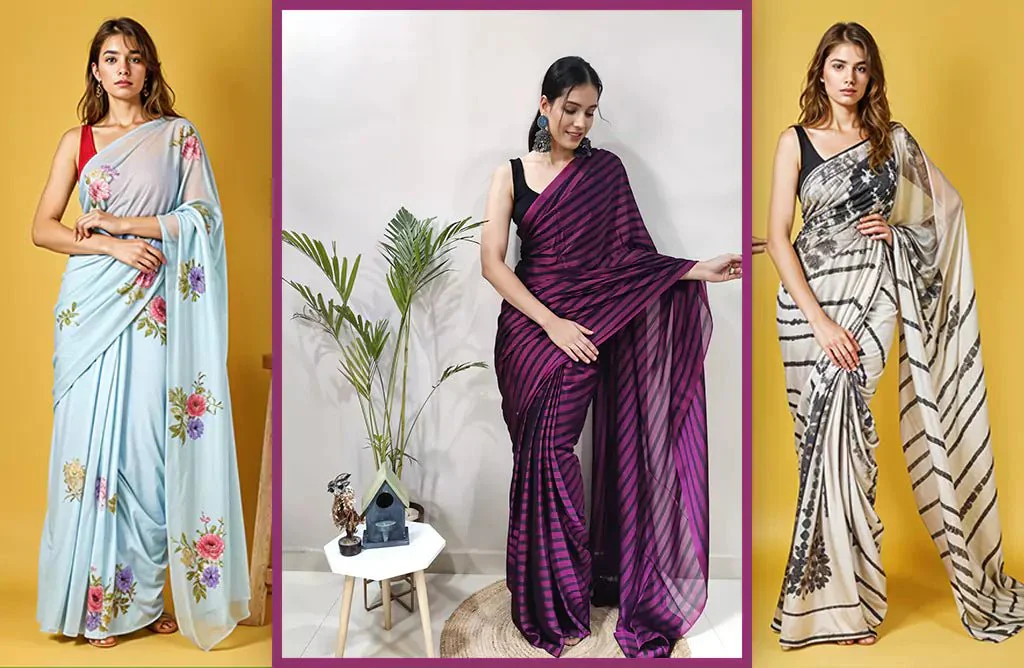
In the vibrant landscape of Indian fashion, the saree remains an unparalleled symbol of grace, heritage, and professional authority. However, for many modern women—ranging from corporate leaders and educators to entrepreneurs and wedding guests—the primary challenge isn’t just looking elegant, but maintaining that elegance through the physical demands of a long day.
Whether it is a back-to-back meeting schedule, a day-long family ritual, or a travel-heavy itinerary, the art of choosing comfortable sarees is a skill that blends textile knowledge with practical styling.
India’s diverse climate, characterized by intense humidity and soaring temperatures, demands clothing that acts as a second skin. A saree that feels heavy or restrictive after just two hours becomes a burden. In contrast, a well-chosen handloom drape can feel as light as air, allowing for effortless movement and sustained focus.
This guide explores fabric construction, traditional weaves, and practical styling techniques to help you stay comfortable all day.
The Physiology of Textile Comfort
To understand saree comfort, we need to look at thermoregulation—how the body maintains temperature.
When fabric is non-breathable (like synthetic polyester), it traps heat and moisture, creating a “sauna effect.” This leads to:
- Fatigue
- Skin irritation
- Discomfort and distraction
Why Natural Fabrics Work Better
Natural fibers like cotton, silk, and linen are:
- Breathable
- Moisture-absorbing (hygroscopic)
- Skin-friendly
Handloom fabrics are even better because their slightly irregular weave allows better airflow compared to machine-made textiles.
Decoding the Weaves: Central India’s Heritage Solutions
The Structural Brilliance of Maheshwari Textiles
Maheshwari sarees were historically designed to be:
- Elegant enough for royalty
- Light enough for hot climates
They use the Garbha Resham technique:
- Silk in the warp
- Cotton in the weft
Benefits:
- Silk-like shine
- Cotton-like breathability
- Extremely lightweight (often under 500 grams)
This prevents “saree fatigue,” where heavy pleats strain your waist and shoulders.
The Sheer Elegance of Chanderi
Chanderi sarees are often called “woven air.”
Why they are comfortable:
- Ultra-lightweight
- Sheer and breathable
- Minimal need for heavy embroidery
Perfect for long events where you want elegance without heaviness.
The Art of Prints: Batik and Beyond
Heavy embellishments (stones, sequins, thick zari) reduce comfort.
Printed sarees offer:
- Visual richness
- Lightweight feel
- Better breathability
The Tactile Comfort of Batik Cotton Sarees
Batik is a wax-resist dyeing technique that softens the fabric through repeated processing.
Advantages:
- Extra-soft texture
- Skin-friendly
- Comfortable from first wear
A batik cotton saree is ideal for:
- Office wear
- Long lectures
- Travel days
Bonus: Batik patterns naturally hide wrinkles.
Technical Factors: GSM & Fabric Fall
What is GSM?
GSM (Grams per Square Meter) determines fabric weight.
Ideal range for long wear:
- 70–90 GSM: Very light (Mulmul, Kota)
- 90–110 GSM: Balanced (Linen, Silk-Cotton)
- Above 150 GSM: Heavy for long hours
Why Fabric Fall Matters
A good saree should:
- Flow naturally
- Require fewer pins
- Move with your body
Stiff fabrics increase effort and discomfort.
Ergonomic Draping Techniques
Even the best fabric can feel uncomfortable if draped poorly.
1. Distribute Waist Weight
- Spread pleats slightly before tucking
- Reduces pressure on the navel
2. Smart Shoulder Pinning
- Pin slightly behind the shoulder
- Reduces strain on neck muscles
3. Optimize Pleats for Movement
- Narrow, multiple pleats = easier walking
- Ideal for busy days
The Foundation: Blouse & Petticoat
Blouse Tips
- Use 100% cotton lining
- Avoid synthetic fabrics
- Consider sweat pads in humid weather
Petticoat / Shaper
- Cotton petticoats = best breathability
- Shapers = choose moisture-wicking fabric
- Ensure easy movement (slits or stretch)
Seasonal Guide for Comfort
Summer (March–June)
- Choose: Cotton, linen
- Colors: Pastels (mint, peach, lemon)
- Reason: Reflect heat
Monsoon (July–September)
- Choose: Silk-cotton blends
- Reason: Quick drying, better structure
Winter (November–February)
- Choose: Tussar silk, heavier weaves
- Reason: Natural warmth without bulk
Sustainability & Comfort
Comfort is not just physical—it’s mental.
Handloom sarees:
- Use fewer chemicals
- Support artisans
- Are eco-friendly
Choosing handloom means:
- Better skin experience
- Ethical fashion choice
- Unique designs
The Role of Color in Comfort
Color impacts heat absorption.
Best for long hours:
- White
- Cream
- Light grey
- Pastels
Avoid (in heat):
- Black
- Dark blue
Light colors reflect heat, keeping you cooler throughout the day.
Conclusion: Comfort is Empowerment
Choosing comfortable sarees is an investment in your daily well-being.
When your saree:
- Feels light
- Breathes well
- Moves easily
You can focus fully on your work, event, or celebration.
India’s textile heritage—from Maheshwari to Batik—offers countless options that combine comfort with elegance.
Make informed choices, support artisans, and embrace sarees as a daily wear option—not just occasional attire.
Frequently Asked Questions
1. What is the most comfortable saree fabric for high humidity?
Pure cotton and linen are best as they allow airflow and absorb sweat effectively.
2. Why are Maheshwari sarees good for long hours?
They are lightweight silk-cotton blends that provide elegance without heaviness.
3. Are Batik sarees comfortable?
Yes, the batik process softens cotton, making it breathable and skin-friendly.
4. Can I wear comfortable sarees to weddings?
Absolutely. Lightweight silk sarees like Maheshwari can look elegant without being heavy.
5. Where can I buy comfortable handloom sarees?
Look for trusted platforms that work directly with artisans and clearly mention fabric and weaving details.