


Classic racing legends, the giants of the track and their famous cars, still win fans long after their racing days ended. Their impact is more than old results or faded photos; it stays alive through a busy market of merchandise.
From clothing that recalls famous races to carefully made replicas of historic cars, these heroes inspire products that help fans feel close to the golden age of motorsport.
This article looks at these famous figures, what they achieved, and the many ways their stories live on in the items people buy and collect today. For example, the dedication and skill of drivers like Ayrton Senna still speak to fans, inspiring a wide range of Ayrton Senna merchandise that lets people honor his lasting impact on the sport.
Who Are the Classic Racing Legends?
“Classic racing legends” brings to mind an older era, when racing felt raw, dangerous, and full of drama. These racers and their machines made history with talent, bravery, and new ideas. They stood at the top of their times and left a legacy that still shapes how we see and enjoy racing today.
Iconic Drivers Who Changed the Face of Racing
These drivers were more than quick. They seemed to bond with their cars and had a fierce will to win. Sir Stirling Moss, often called the best driver never to win a Formula 1 World Championship, raced from 1948 to 1962. He entered 529 races and won 212, taking part in events like the Mille Miglia and Le Mans 24 Hours.
Though he once said it was “better to lose honorably with a British car than win in a foreign one,” he drove for 84 manufacturers, many non-British, including Mercedes-Benz, Ferrari, Maserati, and Porsche.
Nigel Mansell is another legend. In 1992, he won nine Grands Prix from 14 pole positions and wrapped up the Formula One World Drivers’ Championship with five races to go. He said his Williams Racing FW14B was “fast, reliable and with cutting-edge technology that suited my style of driving perfectly.” Their talent and strong personalities turned them into global stars.
Legendary Cars That Defined an Era
Great drivers often sat in great cars. These machines were more than transport; they showed the latest engineering and design of their time. The Ferrari 250 GT SWB, which Moss drove to six wins between 1960 and 1961, is still seen as one of the most beautiful Ferraris ever.
The Maserati 300S, built for the FIA World Sportscar Championship, brought Moss five victories and is very rare, with only 26 made. For fans inspired by these legendary machines, official memorabilia and racing-themed gear from stores like Top Racing Shop help keep that history close.
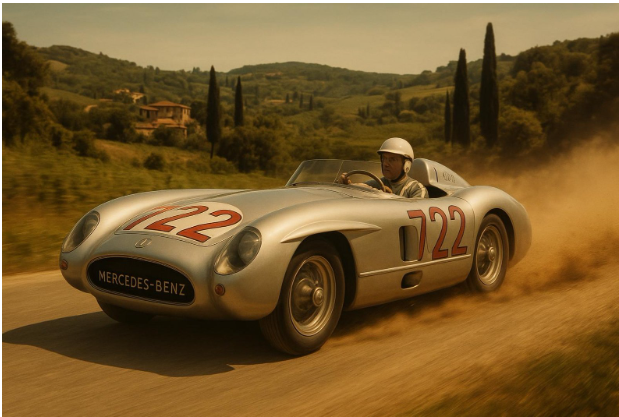
The Mercedes-Benz SLR that Moss drove to win the 1955 Mille Miglia also stands out. Its story was so strong that, in the early 2000s, Mercedes worked with McLaren on a new model with gullwing doors and a supercharged 5.4-liter V8. These cars feel like characters in racing history, showing speed, craft, and style.
Historic Racing Teams and Partnerships
Success rarely came from a single person. It grew from strong partnerships among team owners, engineers, and drivers. These teams, with bold paint schemes and a clear push for wins, built their own legends. The Benetton Formula 1 team, in its colorful years from 1986 to 1990, changed car livery with bright, multi-colored brush strokes. The 1990 B190 looked so bold that people compared it to Pop art and high-speed sculpture.
With smart ideas in both performance and presentation, these teams showed that racing is a group effort and a shared identity, as much as it is individual talent.
What Makes Classic Racing Legends So Influential?
The strong pull of classic racing legends comes from their results, the emotions they spark, and the way they inspire new fans and racers. It’s a mix of talent, big stories, and a lasting appeal that goes beyond trophies.
Achievements That Cemented Their Legacy
The numbers tell a clear story. Mansell’s nine wins and 14 poles in a single season, ending with a World Championship, stand out. Moss’s 212 wins in 529 races show years of top-level performance. These were not easy victories; they came against tough rivals, dangerous tracks, and the limits of the cars of their time. Each success added to their story and kept people talking about them.
They also set new standards for racing. Their driving styles, feedback to engineers, and sheer will moved the sport forward. Their names live on because their success changed what people thought was possible.
| Driver | Era | Key Stats | Highlights |
| Sir Stirling Moss | 1948-1962 | 529 starts, 212 wins | Mille Miglia win; Le Mans entries; raced for 84 manufacturers |
| Nigel Mansell | 1980-1995 | 1992: 9 wins, 14 poles | F1 World Champion with 5 races left; famous FW14B season |
The Cultural and Emotional Impact on Racing Fans
These legends touch more than our respect for skill. They stir memories of a “golden age” often remembered for risk, style, and big personalities. Fans connect with stories of courage, rivalry, and the show of speed. The cars, tracks, sounds, and even the smells of that time build a strong emotional picture that people want to revisit.
This bond is clear: fans watch old footage, talk about classic duels, and collect memorabilia. These legends stand for passion and the thrill of competition, bringing people together who love racing history.
How Racing Legends Inspire Generations
Their reach goes far beyond their racing years. They act as role models for new drivers, engineers, and fans. Young racers study their paths and learn about hard work, skill, and fair play. Their stories push others to chase their own goals, on and off the track.
They also help keep racing’s spirit alive across ages. Grandparents share memories of Moss or Mansell with grandkids, keeping history alive at home. This steady flow of stories keeps their impact strong in racing and in wider culture.
How Have Classic Racing Legends Inspired Merchandise?
These legends fuel a large market for merchandise. This goes beyond sales; it gives fans something they can hold that connects them with the past. The range is broad, fitting different tastes and levels of interest.
Popular Types of Classic Racing Merchandise
Classic racing merchandise comes in many forms. Apparel like T-shirts, jackets, and caps often show famous races, team colors, or drivers. Die-cast models and miniatures carefully recreate classic cars with fine detail.
Art prints and posters freeze great moments and machines, turning them into home or office decor. There are also special sets like the LEGO Icons Williams Racing FW14B & Nigel Mansell kit, which includes a detailed car and a Mansell minifigure with his trademark moustache.
Fashion brands also join in. London-based Duke + Dexter, known for shoes, launched clothing inspired by vintage motorsport decals, building a make-believe “Duke Racing” team with boxy fits and patch-style badges. This wide range shows how deep the influence of classic racing runs.
Why Racing-Inspired Merchandise Appeals to Fans
People buy racing merchandise for many reasons:
- It shows who they support and what they love.
- It gives a physical link to a hero or a famous car.
- It brings back memories for older fans and helps younger fans learn about past glory.
- It starts conversations and builds community among motorsport lovers.
Authenticity and Quality: What Collectors Look For
Serious collectors want items that feel real and are well made. It’s not enough to print a racing logo on something. The product should match the car, era, or driver in a faithful way. That means careful detail in models, correct liveries and logos on clothing, and materials that last. Officially licensed items carry weight, since they are approved by drivers, teams, or their estates and follow agreed standards.
Brands like 8Js, owned by Sacha Prost (son of F1 legend Alain Prost), show this focus on accuracy and build quality. Made in Italy, their pieces include smart touches like jeans without rivets to protect seat leather, stretch fabrics for comfort while driving, and inner labels with a space for blood type, echoing real racing gear. These details lift items from simple souvenirs to pieces collectors value.
Top Classic Racing Legend Merchandise Examples
The market offers many items that capture the spirit of classic racing, from clothing you can wear every day to finely made models for display.
Apparel Inspired by Vintage Motorsport
Clothing is the easiest way to show love for classic racing. Think of T-shirts in team colors that won titles, or jackets with the tough look of old pit crew gear. London brand Duke + Dexter’s “Duke Racing 1” line borrows from vintage decals, with fade-dyed hoodies, graphic tees, and boxy racing jackets.
They also use organic vegetable and mineral dyes and water-based screen-printing. 8Js offers themed pieces too, such as jackets with rhombus quilting, ribbed inserts, and shoulder pads for harness comfort, plus T-shirts that nod to ‘grid girls’-modern and premium, while honoring the Golden Era.
These pieces are more than clothing; they let fans wear their passion and bring vintage racing style into daily life.
Diecast Models and Car Replicas
For many, die-cast models and replicas are the best way to enjoy the engineering and beauty of classic machines. These miniatures capture curves, sponsor logos, and fine details of the originals. From classic F1 cars to famous endurance racers from Le Mans, these models give collectors a slice of history.
The LEGO Icons Williams Racing FW14B & Nigel Mansell set is a strong example, with working steering and Goodyear-lettered slicks on a detailed version of his title-winning car. These are display pieces that celebrate design and performance.
The research behind these replicas is often deep, helping makers get the details right. They act as small monuments to the cars and the drivers who pushed them hard.
Art Prints and Posters Featuring Iconic Moments
Art prints and posters offer a bold visual way to honor classic racing. They capture drama, speed, and beauty, turning great moments and cars into wall art. Whether it’s a vintage race poster, a framed photo of a car mid-corner, or an artistic take on a historic circuit, these pieces bring the track to your space. Bright colors and dynamic layouts help share the excitement of racing.
These artworks suit fans of both cars and art, letting them decorate with reminders of courage, style, and speed.
Collaborations with Renowned Brands and Designers
The pull of classic racing also sparks team-ups between racing names and well-known brands. These projects often blend heritage with modern style. 8Js, founded by Alain Prost’s son, is a clear example, bringing the “Golden Era” feel into today’s premium clothing. The ‘Js’ nod to heroes like Jo, Jack, Jim, James, and Jochen, while the ‘8’ stands for “infinity in remembrance of those astonishing years,” showing deep respect for racing’s past.
The LEGO Group’s work with Nigel Mansell on a dedicated set shows how big brands recognize these stories. These collaborations create standout products and also bring classic racing to new fans, keeping interest growing over time.
How to Choose Authentic Classic Racing Legend Merchandise
Finding great classic racing merchandise is exciting, but picking items that are real and well made takes a careful eye. With so many choices out there, knowing what to look for helps you make good buys.
Spotting Reputable Sellers and Brands
Start by buying from trusted sellers and known brands. Look for strong track records, good customer reviews, and clear policies on authenticity and returns. Motorsport specialists, official team stores, and established collectible shops are safer options. Brands like 8Js, with links to an F1 legend and Italian production, signal care and quality. A physical store, like the 8Js boutique in Harrods, London, also adds confidence.
Be careful with very low prices or sellers who avoid questions about licensing or origin. A little research on the seller can prevent disappointment later.
Key Qualities of Officially Licensed Products
Official licensing is a strong sign of authenticity. These items are approved by drivers, teams, or their estates, so designs match the real thing, and part of the price supports the rights holders. Look for tags, holograms, or clear statements on packaging or labels. The LEGO Icons Williams Racing FW14B & Nigel Mansell set is officially licensed, which supports its accuracy and build quality.
Also check how well the item is made. Good products use solid materials and get logos, colors, and shapes right. Bad stitching, wrong shades, or fuzzy graphics are warning signs. For example, 8Js adding rivet-free jeans for driving comfort shows practical detail that fans value.
Tips for Building a Valuable Collection
Building a strong collection takes taste and patience. Focus on items that truly match your interests rather than chasing fads. Think about rarity, condition, and historical meaning. Limited runs, signed pieces, and items that mark big anniversaries often hold value.
Mix your collection: high-quality die-cast models, standout apparel, and art prints can all fit. Care and storage matter too. Keep original packaging when you can, and protect items from dust, sunlight, and damage. With steady choices and care, your collection can be both meaningful and valuable over time.
Why Classic Racing-Inspired Merchandise Remains Popular
The steady demand for classic racing merchandise shows how strong the pull of motorsport’s golden age still is. The appeal sits in our emotions and the wish to connect with a proud past.
The Role of Nostalgia in Motorsport Culture
Nostalgia plays a big part. For many, the look, sound, and stories of vintage racing bring back a time that felt more raw and exciting. People remember cars that felt more direct, rivalries that felt intense, and drivers who felt heroic. This warm view of the past builds a strong bond, and merchandise helps fill that need. Owning a piece of history lets fans relive famous races and great drives.
With its unique style and big storylines, this “golden era” offers rich material for memory and pride. Merchandise links people to those memories in a real, touchable way.
Merchandise as a Way to Connect with Racing History
Beyond memory, merchandise helps people connect with racing history itself. Not everyone saw Moss race or watched Mansell win his title live. Through carefully made models, period-style clothing, and art that marks key moments, new fans can engage with these stories. These items teach, inform, and keep racing’s past alive.
They help fans learn about the machines, the people, and the events that shaped motorsport. Owning such items feels like holding a small part of that history, building deeper respect for the sport’s roots.
Bringing Generations Together Through Shared Passion
One of the best parts of classic racing merchandise is how it connects ages. A parent telling a child about a famous race while they look at a die-cast model shows this bond. Shared passion creates common ground and sparks talks across generations.
Nigel Mansell spoke about this, recalling how he played with LEGO as a kid and later built sets with his children and grandchildren. With his own LEGO set now out, he’s happy that fans “have the chance to own a little piece of racing history,” hoping it will be remembered for years. This shared love keeps the legends alive and growing, as their stories pass from one group of fans to the next.