


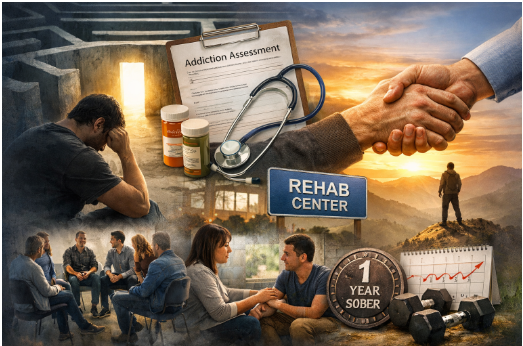
Addiction can feel like a maze with no exit. Many individuals trapped in this cycle often face overwhelming challenges, from physical dependency to emotional and social consequences. Understanding that seeking help is a courageous first step can be life-changing. The journey toward recovery may seem daunting, but knowing the right steps to find professional support can make the process smoother and more effective.
Understanding the Nature of Addiction
Before seeking help, it’s essential to recognize that addiction is more than just a habit. It is a chronic condition that affects the brain’s reward system, decision-making, and emotional regulation. Substances like alcohol, prescription medications, or illicit drugs can create strong physical and psychological dependencies. The longer the addiction continues, the more entrenched it becomes, impacting relationships, work, and overall health.
Acknowledging the problem without self-blame is crucial. Addiction is not a moral failing; it is a health issue that requires structured care and support. Understanding this can reduce shame, which often prevents people from seeking help in the first place.
Step 1: Recognize Early Warning Signs
One of the key steps in breaking the cycle of addiction is identifying when professional help is needed. Early warning signs may include:
- Persistent cravings and inability to control substance use
- Neglecting personal or professional responsibilities
- Withdrawal from family, friends, or social activities
- Unexplained mood swings, anxiety, or depression
- Legal or financial problems related to substance use
Noticing these signs early allows for timely intervention, which can prevent the addiction from worsening and reduce long-term health consequences.
Step 2: Research Treatment Options
Finding the right help involves understanding the types of treatment available. Addiction care is not one-size-fits-all; it should be tailored to individual needs. Options include:
- Inpatient Rehabilitation: Intensive, residential programs provide 24/7 medical supervision, therapy, and structured routines.
- Outpatient Programs: These allow individuals to receive treatment while maintaining daily responsibilities, offering flexibility and continued support.
- Therapeutic Approaches: Cognitive-behavioral therapy, group counseling, and family therapy address both the psychological and social aspects of addiction.
- Medical Support: Detox programs and medication-assisted treatments can help manage withdrawal symptoms safely.
For those seeking Substance Abuse Treatment in GA, researching reputable programs that specialize in personalized care can significantly influence recovery outcomes.
Step 3: Seek Professional Assessment
Professional assessment is a critical step in determining the severity of addiction and the appropriate level of care. Licensed counselors, therapists, or medical professionals can evaluate physical health, mental health, and substance use history to develop an effective treatment plan.
Assessment may include:
- Physical examination and lab tests
- Psychological evaluation
- Substance use history and triggers identification
- Personalized treatment recommendations
This ensures that the individual receives the right combination of therapies, support, and medical care.
Step 4: Build a Support System
Recovery is not a solitary journey. A strong support system can significantly enhance the chances of long-term success. This may include:
- Family and Friends: Open communication and understanding from loved ones can provide emotional stability.
- Peer Support Groups: Groups like 12-step programs or local recovery communities offer encouragement and accountability.
- Professional Guidance: Ongoing therapy and counseling sessions help navigate challenges and prevent relapse.
Encouraging an environment of empathy rather than judgment fosters resilience and motivates continued progress.
Step 5: Focus on Lifestyle Changes
Breaking the cycle of addiction also involves creating a healthier daily routine. Small, intentional changes can have a profound impact:
- Regular exercise to improve mood and reduce stress
- Balanced nutrition to support physical health
- Mindfulness practices such as meditation or journaling
- Engaging in hobbies and positive social activities
- Avoiding environments or people associated with substance use
These habits help rebuild a sense of normalcy and purpose beyond addiction.
Step 6: Prepare for Challenges and Relapse
Recovery is rarely linear. Setbacks or relapses can occur, and they should be viewed as part of the learning process rather than failure. Understanding triggers and stressors, and having a plan for managing cravings, is vital. Professional support can help develop coping strategies and reinforce commitment to long-term recovery.
Step 7: Celebrate Milestones and Progress
Acknowledging progress, no matter how small, reinforces motivation and builds confidence. Recovery milestones—whether it’s a week, a month, or a year sober—reflect resilience and determination. Celebrating achievements with supportive peers or loved ones can strengthen self-esteem and encourage continued adherence to treatment plans.
Conclusion
Breaking the cycle of addiction is challenging, but it is far from impossible. Recognizing the problem, researching treatment options, seeking professional assessment, building a support system, adopting healthier habits, preparing for setbacks, and celebrating progress are all crucial steps toward lasting recovery.
For those seeking Substance Abuse Treatment in GA, taking informed steps to find the right help can transform lives. Recovery is a journey of courage, self-discovery, and hope—a journey worth taking for yourself and your loved ones.