


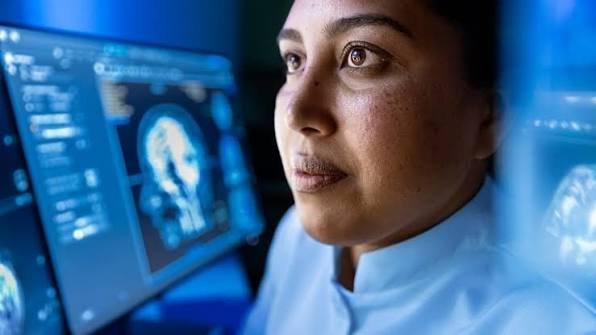
A radiology department may produce a scan in minutes, but getting the result to the right specialist can take much longer. Images, reports, appointments, and clinical notes may sit in separate systems. Routine tasks can be time-consuming when staff have to search for information between platforms, and can make managing patient care difficult.
Modern medical imaging software is helping health care providers advance past the era of individual image storage. It can facilitate the linking of diagnostic processes with patient records and communication, which can ease access by healthcare providers to patient information during care and in outpatient settings. To ensure the right people get what’s right, when they need it, at any hospital.
Connected Imaging Workflows Across Clinical Departments
Integrated imaging brings scans, reports, and patient details into a connected clinical environment. Instead of each image being a stand-alone file, teams can follow the patient’s diagnostic process from referral to review and follow-up. This mutual understanding can streamline day-to-day coordination.
1. Bringing Images and Patient Records Together
Radiology teams can use medical imaging software to store, view, manage, and share diagnostic images through a common workflow. When connected with electronic health records, authorized clinicians can access images alongside relevant medical history and earlier reports.
Imagine a person comes into the Emergency Department with a suspected fracture. The radiologist can look at the current image and compare it with previous studies, if they have been done. The treating clinician can then access the findings through the connected system instead of waiting for a physical file to be delivered.
2. Supporting Consistent Diagnostic Processes
A connected environment can offer more consistency in activities such as image acquisition, image review, image reporting, and referral. Digital worklists could be used to organize cases and highlight studies that need to be done quickly; role-based access can be used to ensure that only relevant information is seen by staff members.
The use of technology does not supplant clinical judgment. It offers radiologists and experts a streamlined path to information. Fewer applications to search can mean that staff will have more time to review their searches, have more time to discuss complex cases or provide more details to patients.
Better Reporting Through Modern Radiology Software
Digital reporting is most useful if it enhances communication and image interpretation. Shared tools can help provide ease of access to information for the next step in care providers.
1. Making Reports Easier to Access
In a disconnected setup, a completed report may need to be downloaded, emailed, or manually added to another system. Modern radiology software can connect reporting tools with imaging archives and hospital information systems, allowing authorized users to retrieve results through familiar workflows.
2. Improving Collaboration Between Specialists
Integrated platforms help radiologists, surgeons, oncologists, and other clinicians discuss cases using the same images and reports.
For instance, oncology staff might compare scans performed at various points of treatment to assess the changes in condition. A single integrated workflow with relevant studies and reports can help make those discussions easier to prepare.
Data Interoperability Across Modern Healthcare Systems
Connected care relies on systems exchanging information accurately, securely, and in formats that other applications can understand. Without interoperability, staff may have to enter the same details more than once or work with incomplete records. Consistent patient identification and dependable data exchange are therefore important parts of safe integration.
1. Connecting Hospital Applications
Healthcare organisations often use separate applications for appointments, billing, laboratory results, imaging, and patient records. Integration allows these systems to exchange relevant information, helping reduce repeated data entry and inconsistencies.
Before introducing new connections, providers should map how information currently moves through the organisation. This helps identify where staff repeat tasks, where records become disconnected, and which exchanges would make the greatest practical difference. Planning around real workflows is more useful than adding integrations simply because they are available.
2. Protecting Information and System Availability
Greater connectivity also makes cybersecurity and data governance more important. Healthcare providers need suitable authentication, role-based permissions, encryption, backups, software updates, and incident response procedures. These safeguards should be reviewed as systems change, new devices are introduced, and staff responsibilities evolve.
Downtime planning matters too. Clear recovery targets and tested backup procedures can help reduce disruption when technical problems occur.
Intelligent Care Coordination With an IoT Platform
Connected devices can extend digital healthcare beyond hospital applications. They create additional ways to collect and use information between appointments, particularly for selected remote-care programmes.
1. Linking Devices With Clinical Workflows
An IoT platform can connect medical devices, monitoring equipment, and other connected tools so that relevant data can be collected and sent to appropriate applications. Depending on the device and its intended use, this may include heart rate, oxygen saturation, temperature, or equipment status.
For example, a patient recovering at home may share readings through a monitoring device. The care team can review those readings according to an agreed plan and decide whether follow-up is needed.
2. Supporting Care Beyond the Hospital
Remote monitoring and connected equipment can support follow-up for selected patients and help clinicians understand changes between appointments. To make this useful, teams need to decide which readings matter, how often they should be reviewed, who responds, and what action should follow an alert.
Dashboards should highlight meaningful changes rather than overwhelm staff with constant notifications. Clear responsibilities and patient guidance are just as important as the devices themselves.
Conclusion: Moving Towards More Connected Patient Care
Moving beyond traditional radiology is not simply about replacing film or digitizing images. It is about making diagnostic information available where and when it can support decisions. Connected imaging, interoperable records, secure reporting, and responsible device integration can reduce fragmented workflows and help healthcare teams coordinate care more effectively.
QSS Technosoft provides digital healthcare and software development services for organisations planning connected solutions, system integration, and technology-led workflows. Their capabilities can help bring applications, data, and connected devices into a cohesive digital environment. With thoughtful planning and the right technical support, healthcare providers can build systems that make information easier to access and everyday coordination more manageable.