


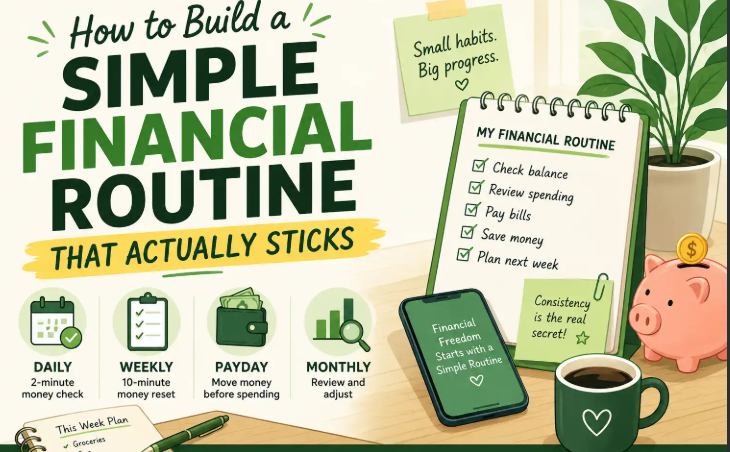
Many people avoid improving their finances because they find it daunting. However, you don’t always need a total financial overhaul or a complicated budget. Sometimes, the best progress starts with a short list of tasks you can finish in under an hour. For instance, someone considering an auto title loan in Moore may benefit from first taking a look at immediate cash flow and upcoming expenses.
The aim is to make informed decisions instead of reacting to financial pressure. A short-term money action list can help you identify where your money is going, prioritize key obligations, and create small habits that support greater financial stability.
Start with Your Immediate Cash Flow
Start by looking at the money coming in and going out over the next few weeks. Check your account balance, expected income, essential bills, and upcoming expenses. This will give you a realistic picture of your available cash.
First, focus on necessities. That includes housing, food, utilities, transportation, and minimum debt payments. Knowing what must be paid and when can prevent avoidable late fees and mitigate the stress that uncertainty causes. Keep the process simple. What you’re creating is an immediate action plan – not crafting the perfect lifetime budget.
Review Subscriptions and Recurring Expenses
Next, look at your recurring charges. Streaming services, unused memberships, premium apps, and other subscriptions can add up each month. Examine recent bank or credit card transactions and identify anything you rarely use.
Canceling even a couple of unnecessary subscriptions can immediately give you more room in your budget. If you spend $20 or so every month on services you no longer value, ditching them gives you money you can put toward savings or debt.
Because it requires little time and can produce real benefits, this is one of the easiest financial wins.
Automate Emergency Savings
Once you find some available cash, think about putting some of it in an emergency fund. A high-yield savings account can be a convenient place to keep money intended for unexpected expenses while potentially earning more interest than a traditional savings account.
With automation, this habit becomes easier. Establish a recurring transfer shortly after payday, even if the amount is relatively small. Consistency matters more than beginning with a big deposit. Over time, these automatic deposits can create a financial cushion for unexpected bills, car repairs, or other emergencies.
The key step is making saving automatic rather than depending on motivation.
Target High-Impact Debt
Your obligations should always have a spot on your short-term action list. Once you cover essential expenses and minimum payments, determine which balance merits extra attention.
One strategy is known as the snowball method. Begin by paying extra toward your smallest debt while continuing minimum payments on the others. Once you’ve erased that balance, redirect the money you had been paying toward the next-smallest balance.
Your savings may vary depending on the interest rates involved, but the emotional boost can be major. Seeing a balance disappear can motivate you to continue.
Keep the List Short
A useful action list should contain specific tasks – not vague goals. Rather than writing, “save more money,” write “automate a $50 transfer” each payday. Instead of “reduce expenses,” write “cancel two unused subscriptions today.”
Try to finish the whole list in under an hour. You may want to spend 15 minutes reviewing cash flow, 10 minutes auditing subscriptions, 10 minutes setting up savings, and another 20 minutes reviewing debt priorities.
Remember, you do not have to solve every money problem today. Instead, focus on the few actions that can make the biggest difference right now.

