


Choosing between premium cabins is rarely just about giving an employee a more comfortable seat. For companies managing frequent flights, the real question is whether the extra spend delivers enough value through productivity, rest, flexibility, and employee experience. A clear look at business class vs first class can help finance and travel managers decide where premium travel genuinely makes sense and where it simply adds cost.
The decision is becoming more relevant as corporate travel continues to grow. According to the International Air Transport Association’s 2026 World Air Transport Statistics, international premium-class passengers, covering business and first class, reached 109.7 million in 2025, an increase of 4.5% from the previous year. Premium travel represented 5.5% of all international travellers, showing that companies and travellers continue to place value on higher cabin classes.
Why Premium Cabin Decisions Need More Than a Fare Comparison
At first glance, comparing fares seems simple. A business-class ticket costs more than economy, while first class can cost considerably more than business class. However, a finance manager looking only at the ticket price may miss the wider cost of a business trip.
A long-haul journey can affect an employee’s ability to attend meetings, make decisions, prepare presentations, or work immediately after landing. If a senior executive arrives exhausted after a fourteen-hour flight, the company may lose more than the difference between two ticket classes. Time, energy and productivity also have a financial value.
This is why cabin policy should be connected to the purpose of the trip. A short domestic flight may not justify premium travel, while an overnight international journey followed by an important client meeting could make a stronger case. The right policy does not necessarily offer the most expensive cabin. It identifies situations where additional comfort can support business outcomes.
What Business Class Typically Offers
Business class has become the practical premium option for many corporate travel programmes. Depending on the airline and route, travellers may receive wider seats, additional baggage, lounge access, priority services and, on many long-haul aircraft, fully flat beds.
The biggest advantage is often the ability to rest properly during an overnight flight. A traveller who can sleep reasonably well may arrive ready for meetings instead of needing an entire day to recover. For companies sending employees across continents, that difference can make business class easier to justify.
Business class also tends to provide a useful balance between comfort and cost. It offers many of the features that matter most to corporate travellers without reaching the very high fares sometimes associated with international first class.
Where First Class Goes Further
First class is designed around a more exclusive experience, but the additional benefits vary significantly by airline and aircraft. Some services include larger private suites, enhanced dining, dedicated airport services, greater privacy and more personalised assistance.
For a senior executive, entrepreneur or employee handling sensitive discussions, privacy can sometimes be valuable. A private suite can provide a quieter environment for rest or preparation, although companies should assess whether this advantage is meaningful on the specific route being considered.
The challenge is that first class often provides diminishing returns. Moving from economy to business class can dramatically improve sleep and working conditions on a long-haul flight. Moving from business to first class may offer additional comfort, but the improvement is usually less significant compared with the increase in price.
The Finance Perspective: What Is the Return?
Finance teams should treat premium travel as an investment decision rather than simply a travel preference. The relevant question is whether the additional fare produces a measurable or reasonable business benefit.
For example, suppose an employee travels overnight to attend a critical negotiation the following morning. A lie-flat business-class seat could allow that employee to sleep during the flight and arrive ready to participate. If the same journey in economy results in poor sleep and reduced effectiveness, the lower ticket price may not represent the lower overall cost.
First class requires a higher standard of justification. The additional spend should be connected to a specific business need, such as exceptional executive travel requirements, privacy, unusually demanding schedules or a company policy that applies to certain senior roles. Without such a reason, business class may provide a better balance.
Why Route and Duration Matter
Cabin decisions should never be made without considering the journey itself. A two-hour flight and a fourteen-hour overnight flight create very different productivity challenges.
For shorter routes, the practical benefits of first class may be limited because there is less time to use the additional space, privacy or onboard services. On longer flights, especially overnight journeys, the value of a comfortable sleeping environment becomes more relevant.
Connection patterns also matter. A nonstop flight in business class may sometimes be preferable to a cheaper premium itinerary involving a long connection. Travel managers should consider total journey time, arrival schedule and recovery time instead of comparing fares in isolation.
Building a Smarter Corporate Travel Policy
A well-designed travel policy can prevent cabin choices from becoming inconsistent across departments. Instead of simply saying that employees can or cannot book premium cabins, companies can establish clear conditions based on travel duration, flight timing, employee role and trip purpose.
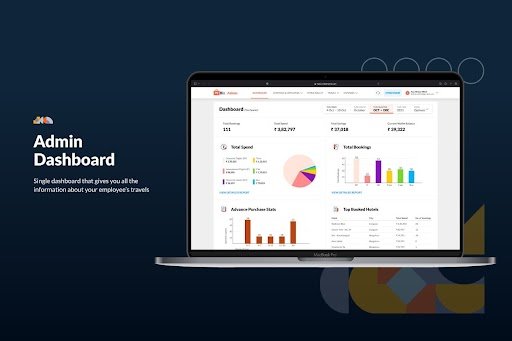
For organisations managing a large number of journeys, business travel management can also make these decisions easier by bringing booking rules, approvals, travel spend and reporting into a more structured process. This helps finance teams understand where premium travel is being used and whether exceptions are becoming routine.
myBiz by MakeMyTrip can support organisations looking to manage corporate travel through a more organised booking and expense environment, helping companies maintain greater visibility over employee travel decisions while keeping traveller convenience in mind.
Comparing Business Class and First Class on Business Value
The best cabin is not automatically the most luxurious one. Business class usually wins when the objective is to improve employee comfort, sleep and productivity while maintaining reasonable control over travel costs.
First class can make sense in narrower circumstances. It may be appropriate when an executive’s schedule is particularly demanding, privacy is unusually important or the company has a defined policy for certain international journeys. Even then, the decision should be based on business requirements rather than status alone.
Finance managers can also look at the total cost of the trip. A slightly higher fare may be reasonable if it eliminates a hotel night, reduces recovery time or allows an employee to attend a meeting immediately after landing. Conversely, a very expensive first-class fare may be difficult to justify when business class provides nearly all the required benefits.
The Role of Travel Data in Cabin Decisions
Travel programmes become more effective when companies review actual booking behaviour rather than relying entirely on assumptions. Finance teams can examine routes, cabin choices, average fares, trip duration, policy exceptions and traveller patterns to identify where premium spending is concentrated.
This data can reveal useful patterns. A company may discover that business class is frequently booked on overnight international routes but rarely used on shorter journeys. It might also find that first class is concentrated among a small group of travellers or specific destinations. Such information can help managers create policies that reflect actual business needs.
Current pricing conditions make this analysis even more useful. A July 2026 GBTA forecast expects global premium airfares, including premium economy, business class and first class, to rise 9.5% in 2026. When premium travel costs are increasing, companies have an even stronger reason to distinguish between necessary upgrades and discretionary spending.
Finding the Right Balance for the Company
There is no universal answer to the premium cabin question. A multinational company with frequent long-haul travel may find business class essential for certain routes, while a smaller organisation may reserve premium travel for exceptional circumstances.
The strongest approach is to create a policy that connects cabin eligibility with measurable travel conditions. Flight duration, overnight travel, arrival requirements and the importance of the meeting can provide a more objective framework than employee seniority alone.
Companies should also review the policy periodically. Airline products change, fares fluctuate and employee travel patterns evolve. A rule that worked two years ago may no longer deliver the same value today.
A Practical Way Forward
For most finance and travel managers, business class is likely to provide the strongest cost-benefit balance for long-haul corporate journeys. It offers meaningful improvements in rest, comfort and productivity without the substantial premium that first class can command.
First class should therefore be viewed as a specialised option rather than the default premium cabin. When there is a clear business reason, it can provide additional value. When there is not, business class often delivers most of the benefits that matter to corporate travellers while keeping budgets under better control.
Making Premium Travel Work Harder for the Business
The choice between first and business class should ultimately reflect what the company is trying to achieve from each journey. Business class generally offers the strongest combination of comfort, productivity and cost control, while first class is better suited to specific executive or operational needs. With clear policies and regular spend analysis, companies can make premium travel more purposeful without compromising traveller experience.

