


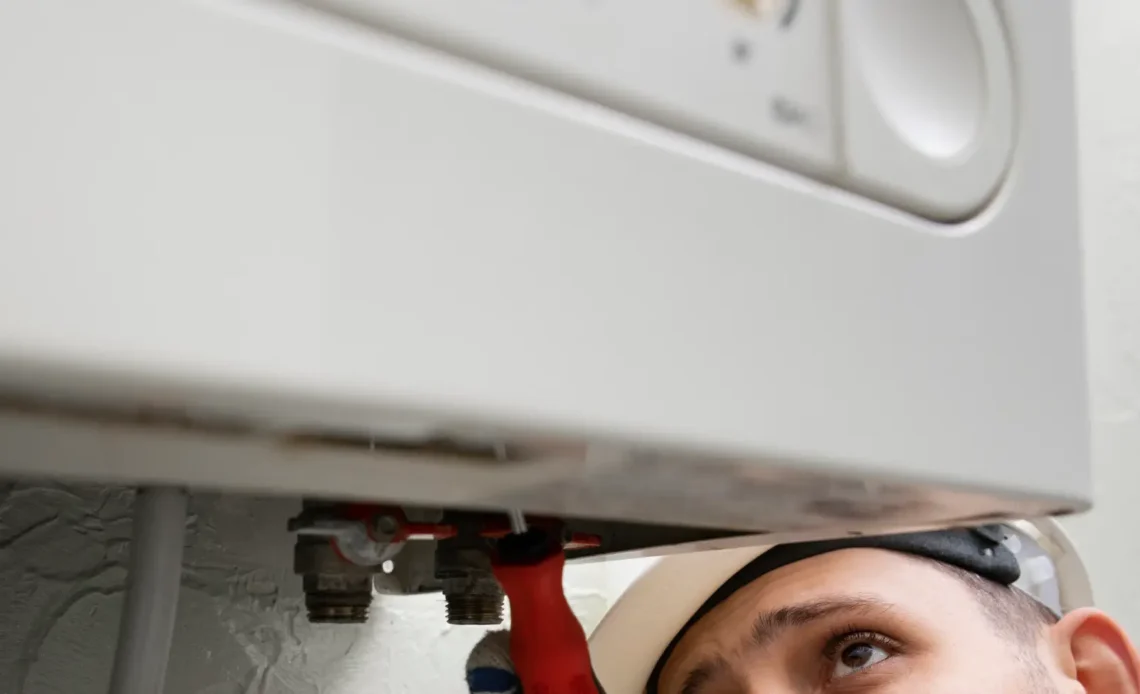
A geyser is one of the most essential appliances in any home, especially during colder months. However, like any appliance, it needs regular care to perform efficiently and safely. Ignoring small issues can lead to higher electricity bills, poor heating performance, or costly repairs. Here are seven common geyser problems, their possible causes, and simple ways to prevent them.
1. Water Is Not Heating Properly
One of the most common geyser problems is lukewarm or cold water even after the unit has been switched on.
Possible causes:
- Faulty heating element
- Thermostat malfunction
- Power supply issues
How to prevent it:
- Get the heating element checked during regular servicing.
- Avoid running the geyser without water.
- Ensure the electrical connections are in good condition.
2. Water Is Too Hot
If the water becomes excessively hot, the thermostat may not be regulating the temperature correctly. Besides being uncomfortable, it can also become a safety concern.
How to prevent it:
- Keep the thermostat set between 50°C and 60°C for everyday use.
- Schedule periodic inspections to ensure the thermostat is working properly.
- Switch off the geyser after use if it does not have automatic temperature control.
3. Water Leakage
Leaks around the geyser are often caused by loose pipe connections, worn-out valves, or internal tank damage. Even a small leak should not be ignored.
How to prevent it:
- Check for visible leaks around pipes and fittings every few weeks.
- Replace damaged valves or washers promptly.
- Arrange professional servicing if the leak comes from the storage tank.
4. Strange Noises During Operation
Popping, rumbling, or hissing sounds usually indicate sediment build-up inside the tank. This forces the heating element to work harder and reduces efficiency.
How to prevent it:
- Flush the storage tank periodically, especially in areas with hard water.
- Schedule annual maintenance to remove mineral deposits.
- Consider installing a water softener if your water supply is very hard.
5. Rusty or Discoloured Water
If the hot water appears rusty or brown, it may indicate corrosion inside the tank or pipes.
How to prevent it:
- Replace the anode rod as recommended by the manufacturer.
- Service the geyser regularly to check for internal corrosion.
- If the tank is severely corroded, replacing the unit may be the safest option.
6. High Electricity Consumption
An old or poorly maintained geyser can consume more electricity than necessary. Sediment build-up, worn heating elements, and poor insulation are common reasons.
How to prevent it:
- Choose the right storage capacity for your household.
- Set the thermostat to an energy-efficient temperature.
- Service the geyser regularly to maintain efficient performance.
- Turn the geyser off when it is not needed for long periods.
7. Pressure Relief Valve Dripping
A small amount of water dripping from the pressure relief valve occasionally is normal. However, continuous dripping may indicate excessive pressure or a faulty valve.
How to prevent it:
- Never block or tamper with the pressure relief valve.
- Have the valve inspected if dripping continues.
- Ensure the water pressure entering the geyser is within the recommended range.
Tips to Keep Your Geyser in Good Condition
Following a few simple maintenance practices can significantly improve your geyser’s performance and lifespan.
- Schedule professional servicing at least once a year.
- Clean the storage tank periodically to remove sediment.
- Inspect pipes, fittings, and electrical connections regularly.
- Keep the thermostat at a moderate temperature.
- Replace worn-out components before they cause larger issues.
- Use the geyser according to the manufacturer’s instructions.
Conclusion
Most common geyser problems develop gradually and can often be prevented with routine maintenance and timely servicing. Paying attention to warning signs such as leaks, unusual noises, inconsistent heating, or rising electricity bills can help you address issues before they become expensive repairs. With proper care, your geyser can deliver reliable hot water, operate more efficiently, and last for many years.

