


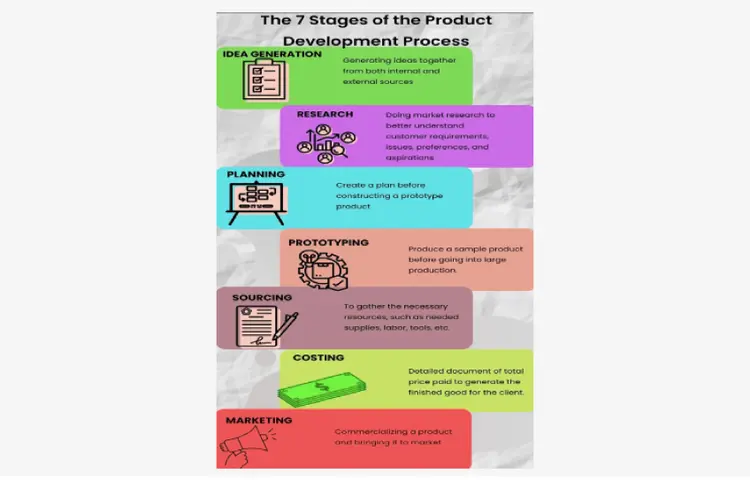
In the fast-moving world of health and personal care startups, product development is often viewed through the lens of marketing and formulation. Brands focus heavily on the unique selling proposition—whether it is a novel teeth-whitening agent like PAP+, a natural ingredient like neem, or eco-friendly packaging. However, a critical oversight occurs when manufacturing is treated simply as a downstream execution step rather than an integral part of the development process. By the time a product reaches the factory floor, many decisions that dictate quality, scalability, and compliance have already been locked in.
When these early decisions are made without a deep understanding of manufacturing constraints, the result is often delayed launches, inconsistent product quality, and regulatory hurdles. This is why the most successful oral care brands do not treat development and manufacturing as separate silos. Instead, they build quality into the product from day one by partnering with a specialized OEM toothpaste manufacturer. This integrated approach ensures that a brilliant formulation in the lab translates into a stable, compliant, and profitable product on the retail shelf.
The Risks of Treating Manufacturing as a Handoff
A common trap for new oral care brands is the “handoff” mentality. A brand might spend months perfecting a flavor profile or a specific texture with a boutique formulation lab, only to hand those specifications over to a mass-production facility later. This approach often reveals hidden flaws. A gel texture that holds up well in a small test batch might separate or degrade when subjected to the sheer forces of industrial mixing equipment. A custom tube design might look beautiful in a 3D render but prove impossible to fill efficiently on a high-speed production line.
When manufacturing is treated as an afterthought, the burden of these unresolved design assumptions falls squarely on the factory. The resulting scramble to adjust formulas or tweak packaging mid-production leads to wasted materials, increased costs, and compromised quality. Furthermore, in a highly regulated industry like oral care, inconsistent manufacturing can trigger serious compliance issues, ranging from failed stability tests to microbiological contamination.
Integrating Quality into Early Development
To avoid these pitfalls, quality must be framed as a core component of product conception. This means engaging manufacturing expertise during the R&D phase, not after it. When a brand partners early with a certified OEM facility, they gain access to crucial insights regarding process capability, material sourcing, and regulatory requirements.
For example, a reliable manufacturing partner will ensure that a new formulation is not only effective but also scalable. They will conduct feasibility studies to identify critical variables and optimize process development. This might involve testing how different active ingredients interact under specific temperature and humidity conditions within a 100,000-class cleanroom environment. By addressing these variables early, the manufacturer ensures that the product will pass essential quality checks—such as heavy metal testing, pH balancing, and microbial screening—before mass production ever begins.
The Role of Compliance and Certifications
In the oral care sector, failure is rarely confined to a minor product defect; it can directly impact consumer health and safety. Therefore, the alignment between development and manufacturing is heavily scrutinized by regulatory bodies. A clean design concept means very little if the manufacturing process lacks the discipline to produce it consistently.
This is where the value of a fully certified manufacturing partner becomes undeniable. Facilities that hold certifications such as FDA registration, ISO9001, ISO22716, and ISO13485 operate under stringent Quality Management Systems (QMS). These systems are not merely administrative filing cabinets; they are operational infrastructures that connect risk management, supplier controls, and process validation. When a brand develops a product within this ecosystem, they ensure that every ingredient sourced and every process step taken is fully traceable and compliant with international standards.
Supplier Quality and Scale-Up
Another critical reason development and manufacturing must be intertwined is the management of supplier risk. The quality of a toothpaste is fundamentally dependent on the quality of its raw materials—from the abrasiveness of the silica to the purity of the active whitening agents. If supplier qualification is left until the end of the development cycle, a brand might discover that a key ingredient is prone to supply chain disruptions or fails to meet purity standards at scale.
An integrated OEM partner mitigates this risk by utilizing established, vetted supply chains. They have already done the heavy lifting of qualifying suppliers for essential ingredients like Nano Hydroxyapatite, Erythritol, or specialized botanical extracts. This early integration of supplier quality ensures that when it is time to scale up from a pilot run to a massive commercial order, the transition is seamless, predictable, and free from sudden material shortages or quality drops.
Conclusion
In the competitive landscape of oral care, a great idea is only as good as its execution. Treating manufacturing as a separate, downstream activity is a costly mistake that compromises both product integrity and brand reputation. By recognizing that manufacturing quality is inextricably linked to product development, brands can avoid the friction of the “handoff.” Partnering early with an experienced, certified manufacturer ensures that quality is engineered into the product from the very beginning, paving the way for a successful, compliant, and scalable launch.

