


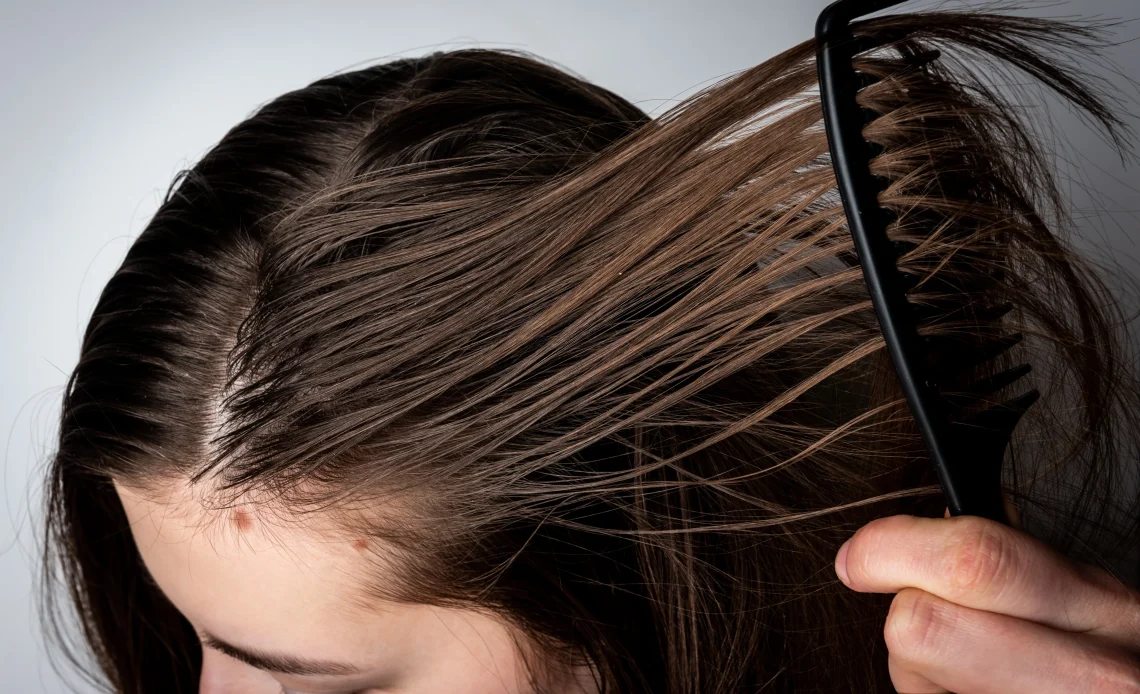
Why does my hair get greasy after one day? It’s almost always because your scalp is producing more sebum (natural oil) than it should, and several daily habits can be making it worse without you realizing it.
This frustrating cycle leaves you washing every single day, yet your roots still look flat, shiny, and lifeless by the next morning. The good news is that greasy hair after just one day is rarely about poor hygiene. It’s usually a mix of overwashing, the wrong shampoo, hormones, hair type, and product buildup working together.
Understanding Why Your Scalp Produces Too Much Oil
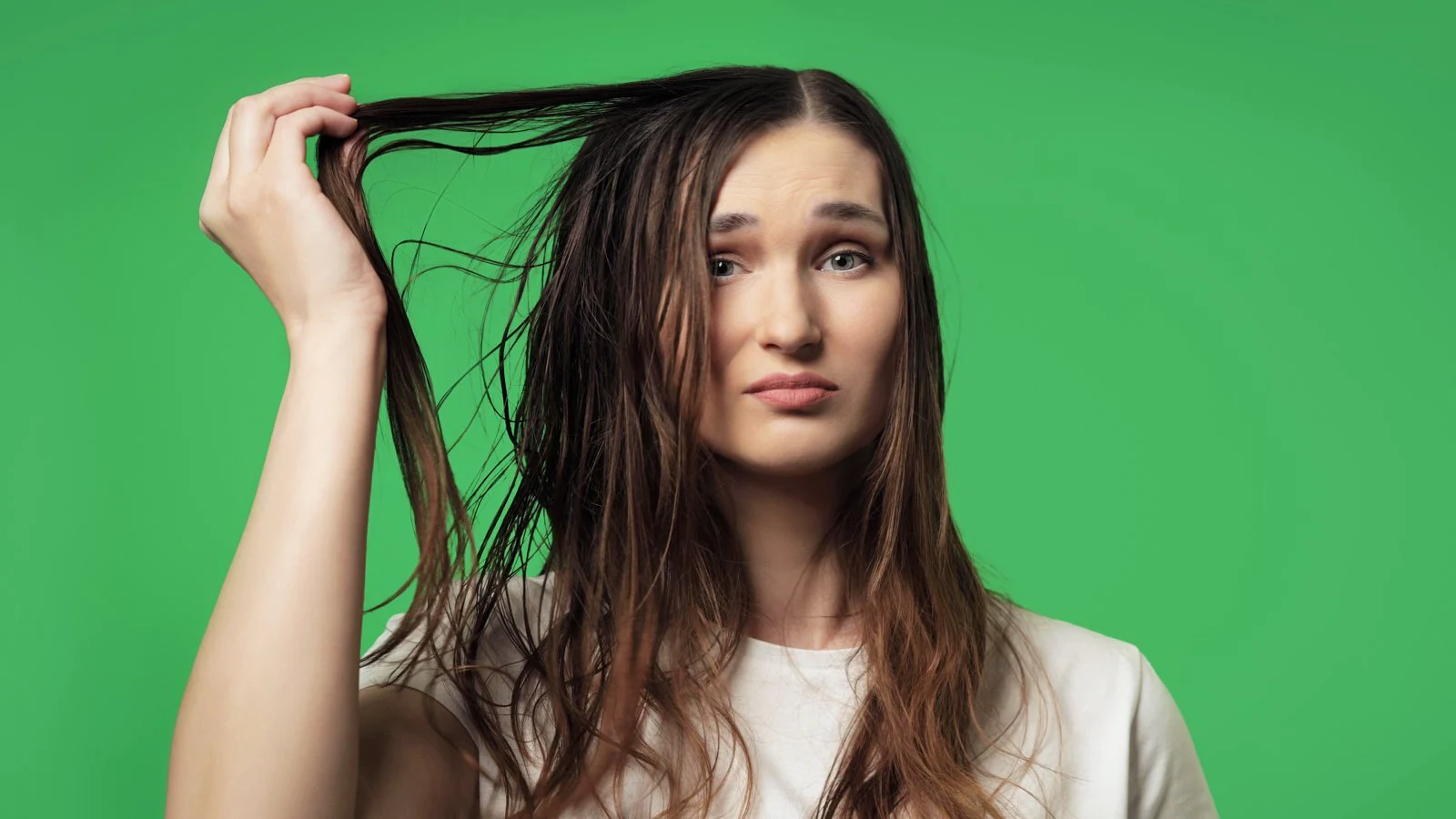
What Sebum Actually Does
Sebum is the natural oil your scalp produces to protect hair and skin from drying out. A small, steady amount is healthy and normal.
Problems start when the sebaceous glands go into overdrive, pumping out more oil than your scalp and strands actually need.
Why Greasy Hair Isn’t About Being “Dirty”
Many people assume greasy roots mean they aren’t washing enough, but that’s rarely true. Hair can look perfectly clean right after a wash and still turn oily within 24 hours.
This usually points to an overactive scalp rather than poor hygiene, especially if you already wash regularly.
The Overwashing Trap
Washing your hair every single day can backfire. Frequent shampooing strips away natural oils, and your scalp reacts by producing even more sebum to compensate.
This creates a frustrating cycle: the more you wash, the oilier your scalp becomes, and the more often you feel you need to wash again.
Common Causes of Greasy Hair After One Day
| Cause | How It Affects Your Scalp |
|---|---|
| Overwashing | Strips natural oils, triggering excess sebum production |
| Wrong shampoo type | Heavy, moisturizing formulas worsen oiliness |
| Hormonal changes | Puberty, periods, pregnancy, and stress increase oil output |
| Fine or straight hair | Oil travels down the shaft faster, looking greasy sooner |
| Product buildup | Oils, serums, and creams near the roots trap excess sebum |
| Dirty pillowcases | Transfers oil and bacteria back onto hair overnight |
| Touching hair often | Spreads oils from hands and fingers onto strands |
| Hot water washing | Overstimulates oil glands and dries out the scalp |
| Dandruff or scalp imbalance | Linked to excess sebum and fungal activity |
| Diet and hydration | Indirectly influences how much oil your scalp produces |
Overwashing Your Hair
This is the single biggest cause of greasy roots after only one day. Washing daily depletes your scalp’s natural oil barrier.
In response, your sebaceous glands speed up oil production, so hair feels oily faster than before you started washing so often.
Using the Wrong Shampoo
Rich, hydrating, or sulfate-heavy shampoos can either overload your scalp with moisture or strip it too aggressively. Both extremes backfire.
People with oily roots typically need an oil-control or balancing shampoo, not one designed for dry or color-treated hair.
Hormonal Fluctuations
Hormones directly influence how active your oil glands are. Puberty, menstrual cycles, pregnancy, and even stress can all trigger a spike in sebum production.
This is why greasy hair sometimes appears suddenly, even if your routine hasn’t changed at all.
Fine or Thin Hair Type
Fine and straight hair strands sit closer to the scalp, so oil has less distance to travel before coating the entire length.
That’s why people with fine hair often notice greasy roots after just one day, while those with thick or curly hair can go several days between washes.
Product Buildup Near the Roots
Hair oils, serums, dry shampoo residue, and heavy styling creams applied too close to the scalp can trap oil and dirt.
Over time, this buildup mixes with natural sebum, making hair look greasy and feel heavier than usual.
Dirty Pillowcases and Bedding
Your pillowcase absorbs oil, sweat, and product residue from your hair and skin every night. Sleeping on it repeatedly transfers that buildup right back onto your roots.
Changing your pillowcase every few days can noticeably slow down how fast hair looks oily.
Touching or Brushing Hair Too Often
Constantly running your fingers through your hair transfers oils from your hands directly onto your scalp and strands.
Over-brushing, especially with a dirty brush, spreads existing oil and bacteria across more of your hair, accelerating the greasy look.
Washing With Hot Water
Hot water feels relaxing, but it strips the scalp’s protective oils faster than lukewarm or cool water.
This dryness signals your sebaceous glands to ramp up oil production, undoing the benefit of washing in the first place.
Dandruff and Scalp Imbalance
Oily dandruff is linked to a buildup of sebum combined with a fungal imbalance on the scalp. This combination often causes itchiness, flaking, and greasiness simultaneously.
If your scalp feels itchy and oily at the same time, an anti-dandruff or balancing shampoo may help more than a standard one.
Diet, Stress, and Hydration
While diet isn’t the leading cause, processed foods, poor sleep, and chronic stress can all subtly influence how much oil your scalp produces.
Staying hydrated and eating a balanced diet supports overall scalp health, even if it’s not a quick fix on its own.
Oily Scalp vs Dry Ends: How to Tell the Difference
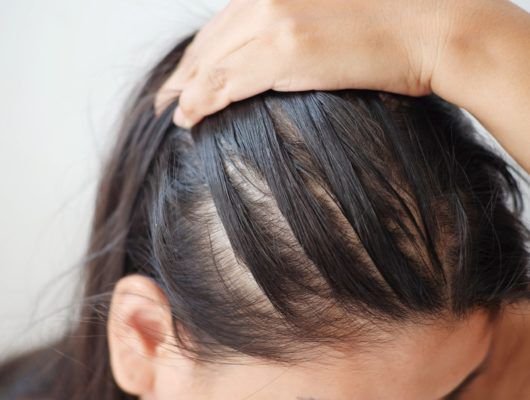
Signs of an Oily Scalp With Dry Ends
It’s common to have a greasy scalp paired with dry, frizzy ends. This happens because oil rarely travels the full length of the hair shaft.
If your roots look shiny and flat while your tips feel rough or brittle, you likely have this combination rather than uniformly oily hair.
Why This Combination Confuses People
Many assume their whole head is oily and use heavy conditioners on the scalp, which only makes the greasiness worse.
The better approach is targeting oil-control products at the roots while keeping moisture focused on the mid-lengths and ends only.
How to Fix Greasy Hair After One Day
Adjust Your Washing Frequency
Instead of washing daily, try stretching to every other day or every two to three days, depending on your hair type.
Give your scalp two weeks to adjust to a new schedule before judging whether it’s working.
Choose an Oil-Control or Clarifying Shampoo
Look for lightweight, sulfate-free formulas labeled for oily or fine hair rather than deeply moisturizing shampoos.
A clarifying shampoo used once a week can also remove stubborn buildup that regular shampoo leaves behind.
Apply Conditioner Correctly
Always apply conditioner from mid-length to ends, never directly onto the scalp or roots.
This keeps your scalp from getting weighed down while still nourishing the driest, oldest parts of your hair.
Use Lukewarm or Cool Water
Switching from hot to lukewarm water when washing helps prevent overstripping the scalp and reduces the rebound oil production that follows.
It’s a small change that makes a noticeable difference over a couple of weeks.
Keep Dry Shampoo in Your Routine
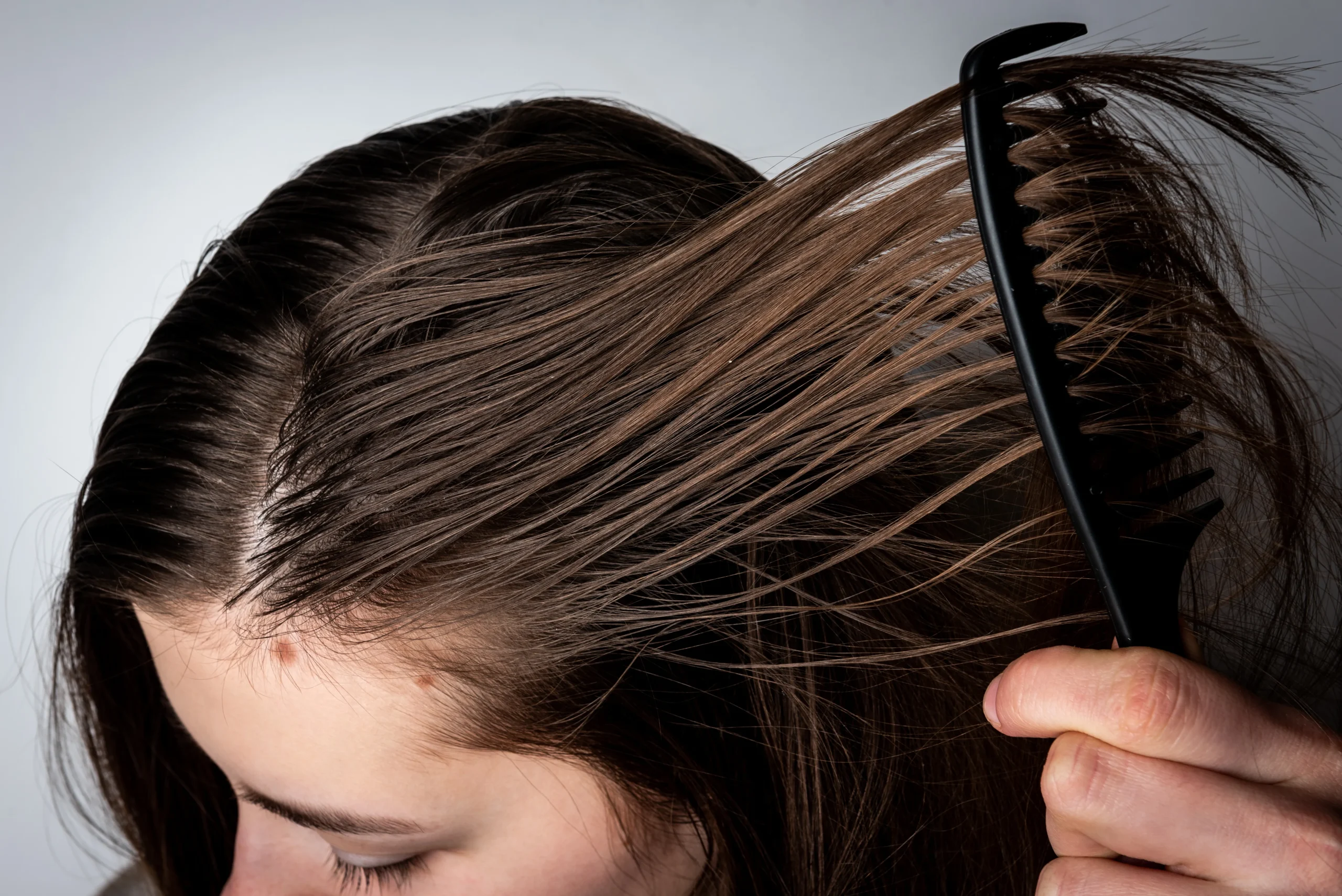
Dry shampoo absorbs excess oil at the roots and adds volume, helping you stretch an extra day or two between washes.
Use it sparingly and clarify regularly so product doesn’t build up and worsen the problem.
Clean Your Brushes and Pillowcases Regularly
Wipe down hairbrushes weekly and change pillowcases every few days to reduce the oil and bacteria transferred back onto clean hair.
This simple habit prevents grease from building up faster than necessary.
Minimize Touching and Over-Brushing
Try to limit how often you run your hands through your hair throughout the day. Brush gently, two to three times daily at most, avoiding direct contact with the scalp when possible.
When to See a Professional
If you’ve adjusted your washing routine, switched shampoos, and changed habits with no improvement, it may be worth speaking with a dermatologist or trichologist.
Persistent greasiness combined with itching, flaking, or hair thinning could point to an underlying scalp condition that needs targeted treatment.
Quick Reference: Greasy Hair Fixes by Cause
| If The Cause Is | Try This First |
|---|---|
| Overwashing | Stretch wash days gradually to every 2-3 days |
| Wrong shampoo | Switch to an oil-control or clarifying formula |
| Hormones | Be patient and adjust routine around cycle changes |
| Fine hair type | Use root-targeted dry shampoo between washes |
| Product buildup | Add a weekly clarifying wash |
| Dirty pillowcase | Change pillowcases every 2-3 days |
| Touching hair | Reduce contact and avoid playing with strands |
| Hot water | Switch to lukewarm or cool rinses |
| Dandruff | Use an anti-dandruff or balancing shampoo |
| Diet and stress | Stay hydrated and manage stress levels |
Frequently Asked Questions (FAQs)
Why does my hair get greasy after just one day?
Your scalp is producing excess sebum, often due to overwashing, the wrong shampoo, or hormonal changes. Fine hair types are especially prone to this.
Is washing my hair every day making it greasier?
Yes, daily washing strips natural oils and signals your scalp to produce more sebum to compensate, creating a greasy cycle.
Does hair type affect how fast hair gets greasy?
Yes, fine or straight hair gets oily faster because strands sit closer to the scalp, allowing oil to spread quickly.
Can the wrong shampoo cause greasy hair?
Yes, heavy or overly moisturizing shampoos can worsen oiliness, while oil-control or clarifying shampoos help manage it.
Should I avoid conditioner if my hair gets greasy fast?
No, just avoid applying it to your scalp. Use conditioner only from mid-lengths to ends to prevent weighing roots down.
Can stress make my scalp oilier?
Yes, stress can trigger hormonal changes that increase sebum production, leading to greasier hair than usual.
Does touching my hair make it greasy faster?
Yes, touching transfers oils from your hands to your strands and can stimulate the scalp to produce more sebum.
Is dry shampoo a good long-term solution?
Dry shampoo helps manage oil between washes, but it should be paired with regular clarifying washes to prevent buildup.
Can dandruff cause greasy hair too?
Yes, oily dandruff is linked to excess sebum combined with fungal imbalance, causing itchy, flaky, and greasy scalp together.
How long does it take to fix greasy hair after one day?
Most people notice improvement within two to three weeks of adjusting their wash frequency, shampoo, and habits consistently.
Conclusion
Greasy hair after just one day is almost always linked to an overactive scalp, not poor hygiene. Overwashing, harsh or overly rich shampoos, hormonal shifts, fine hair texture, and everyday habits like touching your strands or sleeping on a dirty pillowcase all play a role in how quickly oil builds up.
The encouraging part is that this cycle can be broken. Switching to an oil-control or clarifying shampoo, spacing out your wash days gradually, applying conditioner only to your ends, and keeping your brushes and pillowcases clean can make a real difference within a few weeks.
If you’ve tried these changes consistently and still struggle with persistent greasiness, itching, or flaking, it’s worth consulting a dermatologist or trichologist to rule out an underlying scalp condition and get a routine tailored specifically to your hair.


