



Why does my gum hurt is one of the most common dental questions people ask — and for good reason. Gum pain can range from a mild annoyance to a serious warning sign that demands immediate attention.
Whether you feel it in one spot, at the back of your mouth, or all over your gums, the cause matters. Understanding what is behind the pain helps you act fast, protect your smile, and avoid costly dental problems down the road.
What the Data Says About Gum Pain
Gum pain is far more common than most people realize. Here is a quick look at the numbers:
| Statistic | Data |
|---|---|
| Adults with some form of gum disease | About 2 in 5 people |
| Pericoronitis as % of dental emergencies | Up to 6.5% of all emergency visits |
| Age group most affected by wisdom tooth pain | Late teens to mid-twenties |
| Most common cause of gum pain overall | Gingivitis from plaque buildup |
| Gum disease risk if left untreated | Can lead to tooth loss and bone damage |
These numbers show gum pain is not something to brush off. Most causes are treatable when caught early.
The Most Common Reasons Your Gum Hurts
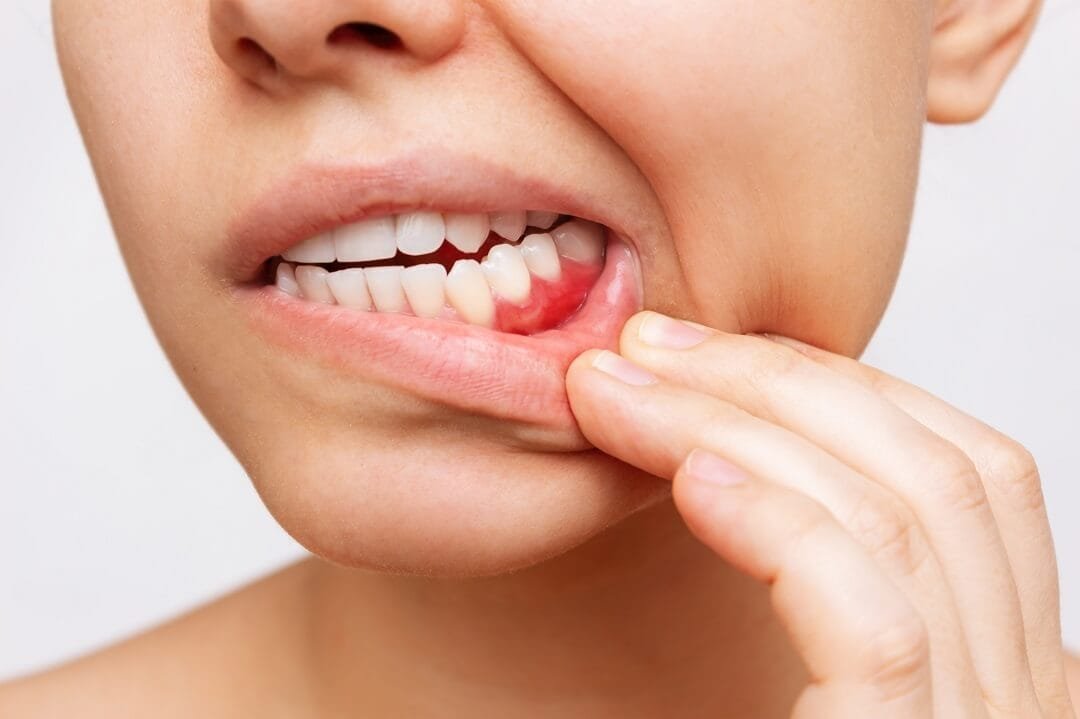
Gingivitis: The Most Frequent Culprit
Gingivitis is the early stage of gum disease. It happens when plaque builds up along the gumline and irritates the soft tissue.
Your gums become red, swollen, and tender. They may bleed when you brush or floss. The good news is that gingivitis is reversible with proper brushing and professional cleaning.
Periodontitis: When Gingivitis Gets Worse
If gingivitis is not treated, it progresses into periodontitis. This is a serious infection that attacks the tissue and bone holding your teeth in place.
Gums pull away from teeth, forming deep pockets that trap more bacteria. Pain when touching your gums is a hallmark sign. Without treatment, this condition can cause tooth mobility and permanent tooth loss.
Canker Sores on the Gums
Canker sores are small, shallow ulcers that appear on soft mouth tissue including the gums. Often develop due to stress, minor injuries, or certain acidic foods.
They make eating and drinking painful and are very sensitive to touch. They usually heal on their own within one to two weeks. Salt water rinses and over-the-counter gels can speed recovery.
Gum Abscess: A Serious Infection
A gum abscess is a pocket of pus caused by a bacterial infection trapped in gum tissue. It produces a deep, throbbing pain that can spread to your ear or neck.
The area looks red, swollen, and may feel warm to the touch. An abscess will not go away on its own. It requires professional dental treatment — ignoring it risks the infection spreading to your jaw, face, or bloodstream.
Wisdom Tooth Pain and Pericoronitis
Wisdom teeth that only partially erupt can leave a flap of gum tissue called an operculum. Food, bacteria, and debris get trapped under this flap and cause a condition called pericoronitis.
Symptoms include swelling, pain at the back of the jaw, a bad taste in the mouth, and sometimes fever. Pain can radiate to the ear, temple, or neck. Pericoronitis accounts for up to 6.5% of all dental emergencies and will not resolve without professional care.
Impacted Wisdom Teeth
When a wisdom tooth cannot fully emerge, it becomes impacted. It may grow sideways or stay partially buried beneath the gumline.
The pressure causes persistent, radiating pain in the back of the jaw. It is the leading cause of wisdom tooth pain in adults aged 17 to 25. Extraction is often the only permanent solution.
Poor Brushing or Flossing Technique
Brushing too hard or using the wrong technique can injure the delicate gum tissue. Gums become sore, irritated, and sometimes bleed.
Always use a soft-bristled toothbrush and gentle circular motions. Floss carefully without snapping the floss into the gumline. Small changes in technique can make a big difference quickly.
Food Trapped Between Teeth and Gums
A small piece of food lodged between a tooth and the gum can cause significant irritation. It creates a perfect environment for bacteria to multiply.
If not removed quickly, this can escalate into a localized infection or abscess. Flossing and rinsing after meals is the simplest way to prevent this cause of gum pain.
Hormonal Changes in Women
Hormone fluctuations during menstruation, pregnancy, or menopause directly affect gum health. Increased blood flow to the gums can make them swollen, sensitive, and more prone to pain.
This is sometimes called pregnancy gingivitis or menstrual gingivitis. It often improves when hormone levels stabilize. Maintaining strong oral hygiene during these periods is especially important.
Ill-Fitting Dental Appliances
Braces, dentures, night guards, or partial dentures that do not fit correctly rub against gum tissue. This friction causes sores and persistent irritation.
If your mouth has not adapted to new appliances after a few weeks, see your dentist for adjustments. Custom-fitted devices cause far less gum irritation than generic ones.
Sinus Infection and Upper Jaw Pain
A sinus infection can create pressure in the sinus cavities that sits directly above the upper jaw. This pressure can feel exactly like gum or tooth pain.
If you have sinus congestion along with upper gum discomfort, the two may be connected. Treating the sinus infection often reduces the dental discomfort significantly.
Oral Thrush
Oral thrush is a fungal infection caused by an overgrowth of yeast in the mouth. It produces white patches on the tongue, cheeks, and sometimes the gums.
Gum irritation is a common secondary symptom. It is more likely to occur in people with weakened immune systems or those on antibiotics. Antifungal treatment resolves the infection.
Oral Cancer: A Rare but Serious Cause
A sore on the gums that does not heal after two to three weeks could be a sign of oral cancer. It may not be painful at first but will not go away on its own.
Oral cancer can begin on the tongue, inner cheek, tonsils, or gums. Any persistent, unexplained sore in the mouth warrants immediate dental evaluation. Early detection dramatically improves treatment outcomes.
Gum Pain by Location: What It Might Mean
| Location of Pain | Likely Cause |
|---|---|
| Gum hurt in one spot | Food impaction, abscess, canker sore |
| Back of mouth, lower jaw | Wisdom tooth, pericoronitis |
| All over gums | Gingivitis, aggressive brushing |
| Upper gums only | Sinus infection, periodontitis |
| Around a specific tooth | Abscess, impacted tooth, gum pocket |
| Gums hurt when touched | Periodontitis, trauma, canker sore |
| Gum pain with bleeding | Gingivitis, vitamin C deficiency |
| Gum pain with swelling | Abscess, pericoronitis, hormonal changes |
Warning Signs You Must Not Ignore
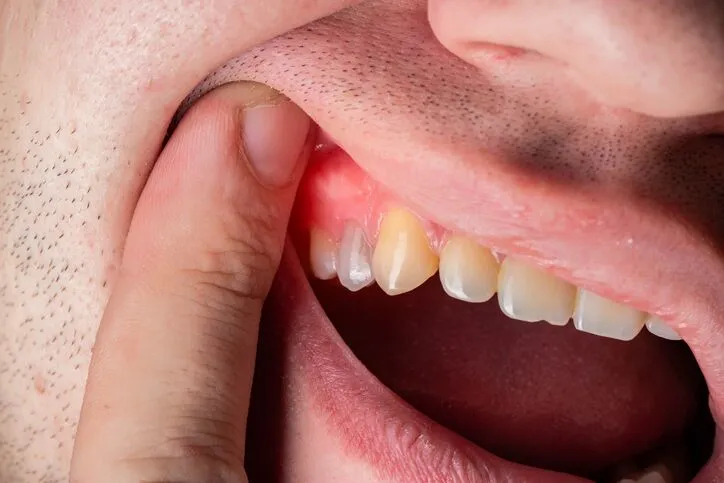
Some symptoms tell you the problem has moved beyond something you can manage at home. These are red flags that require same-day or emergency dental care.
Fever With Gum Pain
Fever alongside gum pain is a clear sign your body is fighting an active infection. This combination should never be ignored, as infections in the mouth can spread rapidly.
Facial or Jaw Swelling
Swelling that spreads beyond the gum to the cheek, jaw, or neck means the infection is advancing. This is a dental emergency requiring immediate professional attention.
Difficulty Swallowing or Breathing
This is the most serious warning sign. Swelling that affects swallowing or breathing means the infection may be threatening your airway. Go to an emergency room immediately.
Pus or Persistent Bad Taste
Pus draining from the gum or a foul taste that does not go away signals an active abscess. This infection will not clear on its own and can spread to the jaw and bloodstream if untreated.
Pain That Wakes You Up at Night
Severe throbbing pain that disrupts sleep is a sign of significant inflammation or infection. Over-the-counter pain relievers that stop working indicate professional care is needed now.
How Dentists Diagnose Gum Pain
When you visit a dentist with gum pain, here is what to expect during the evaluation process:
Visual Examination
Your dentist inspects the gums, teeth, and soft tissue for signs of inflammation, sores, or obvious infection. This is always the first step.
Dental X-Rays
X-rays reveal what is happening beneath the gumline. They show the position of wisdom teeth, bone loss, abscesses, and root problems invisible to the naked eye.
Probing Pocket Depth
A small instrument measures the depth of the spaces between teeth and gums. Depths greater than 3mm indicate gum disease. This tells the dentist how far the disease has progressed.
Bacterial Culture or Biopsy
In cases of suspected infection or unusual sores, the dentist may take a sample for laboratory analysis. This rules out serious conditions including oral cancer.
Treatment Options for Gum Pain
| Cause | Treatment |
|---|---|
| Gingivitis | Professional cleaning, improved oral hygiene |
| Periodontitis | Scaling and root planing, possible surgery |
| Canker sore | Salt water rinse, topical gel, time |
| Gum abscess | Drainage, antibiotics, possible root canal |
| Pericoronitis | Irrigation, antibiotics, possible extraction |
| Impacted wisdom tooth | Wisdom tooth removal surgery |
| Hormonal gum pain | Improved hygiene, dental cleaning |
| Ill-fitting appliances | Dental adjustment or replacement |
| Oral thrush | Antifungal medication |
| Oral cancer | Biopsy, specialist referral, cancer treatment |
Home Remedies That Actually Help
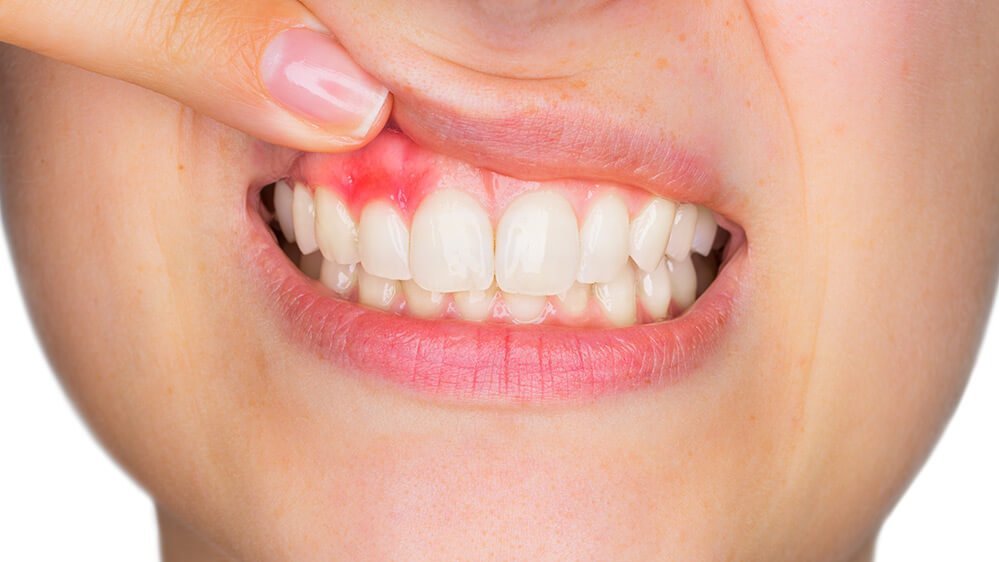
These remedies can ease mild gum pain while you wait for a dental appointment. They manage symptoms but do not treat underlying causes.
Warm Salt Water Rinse
Dissolve half a teaspoon of salt in eight ounces of warm water. Rinse gently for 30 seconds, two to three times daily.
Salt water reduces bacteria, soothes inflamed tissue, and keeps the area clean. It is one of the safest and most effective home remedies for mild gum discomfort.
Ibuprofen or Acetaminophen
Over-the-counter pain relievers reduce both pain and inflammation effectively. Ibuprofen tends to work better for gum pain because it targets inflammation directly.
Always take them as directed on the label. These are temporary measures and do not replace dental care for serious problems.
Cold Compress
Apply a cold pack or ice wrapped in a cloth to the outside of the cheek for 10 to 15 minutes. This reduces external swelling and numbs the area.
Never apply ice directly to the gum tissue. Use cold compresses for swelling caused by wisdom teeth or abscesses while waiting for your appointment.
Clove Oil (Eugenol)
Clove oil contains eugenol, a natural anesthetic. Apply a very small amount with a cotton ball directly to the sore gum for temporary relief.
Avoid swallowing it and do not use it near open wounds. It can provide 20 to 30 minutes of pain relief between doses of medication.
Soft Food Diet
Switch to soft foods like yogurt, mashed potatoes, oatmeal, and soups while your gums are sore. Avoid hard, crunchy, or spicy foods that irritate already inflamed tissue.
Chewing on the opposite side of the mouth also reduces pressure on the painful area. This gives inflamed gums time to begin healing.
What NOT to Do When Your Gum Hurts
Some common instincts can make gum pain significantly worse:
Do not poke or pick at the painful area. Touching an abscess or sore with your finger or a toothpick introduces more bacteria and may rupture the pocket, spreading infection.
Do not place aspirin directly on gum tissue. This is a common folk remedy but aspirin burns soft tissue and causes chemical injury to the gum, making the pain worse.
Do not ignore pain that lasts more than a few days. Gum pain that does not improve within two to three days almost always has an underlying cause that needs professional attention.
Do not self-prescribe antibiotics. Taking leftover antibiotics without professional guidance can mask symptoms, create antibiotic resistance, and delay proper treatment.
Do not skip your dentist appointment. Home remedies provide temporary relief only. They do not cure infections, gum disease, impacted teeth, or abscesses.
How to Prevent Gum Pain From Returning
Prevention is always easier than treatment. These habits dramatically reduce your risk of recurring gum pain:
Brush Twice Daily With Proper Technique
Use a soft-bristled toothbrush and gentle circular motions. Brush for a full two minutes, reaching every tooth surface including the gumline. Replace your toothbrush every three months.
Floss Every Day Without Fail
Flossing removes plaque and food particles from between teeth where your toothbrush cannot reach. It is the single most effective way to prevent gum disease. Even 60 seconds of flossing daily makes a measurable difference.
Use an Antibacterial Mouthwash
An antibacterial rinse kills bacteria that cause plaque and gum infection. Use it after brushing and flossing for maximum benefit. Look for formulas with chlorhexidine or cetylpyridinium chloride for the strongest effect.
Visit Your Dentist Twice a Year
Professional cleanings remove hardened tartar that brushing alone cannot eliminate. Routine checkups also catch problems like early gum disease or impacted wisdom teeth before they become painful emergencies.
Stay Hydrated and Eat a Balanced Diet
A dry mouth allows bacteria to thrive. Drink plenty of water throughout the day. Vitamin C from fruits and vegetables supports healthy gum tissue and reduces inflammation.
Avoid Smoking and Tobacco Products
Tobacco is one of the strongest risk factors for gum disease. It reduces blood flow to the gums, impairs healing, and significantly increases the risk of oral cancer. Quitting is one of the best things you can do for your gum health.
Frequently Asked Questions (FAQs)
Why does my gum hurt in one spot?
Pain in one spot is usually caused by food trapped between the tooth and gum, a canker sore, or the early stages of a gum abscess. Floss gently, rinse with salt water, and see a dentist if pain persists beyond two days.
Why does my gum hurt at the back of my mouth?
Back-of-mouth gum pain is most often caused by a partially erupted wisdom tooth or pericoronitis, which is an infection of the gum flap around the tooth. This requires a dental evaluation and may need antibiotics or tooth removal.
Can gum pain go away on its own?
Minor irritation from brushing too hard or a small canker sore may resolve in a few days. However, gum pain caused by infection, gum disease, or an impacted tooth will not go away without professional treatment.
How do I know if my gum pain is an abscess?
Signs of a gum abscess include throbbing pain, visible swelling, warmth in the area, a bad taste in the mouth, and sometimes fever. An abscess needs urgent dental care as it will not heal on its own.
Why do my gums hurt when I brush?
Gums that hurt during brushing are usually inflamed from gingivitis or are being brushed too aggressively. Switch to a soft-bristled brush, use gentle circular motions, and see your dentist if bleeding continues beyond two weeks.
Can a sinus infection make my gums hurt?
Yes, sinus infections create pressure directly above the upper jaw that can mimic tooth and gum pain. If your upper gums hurt and you have sinus congestion, treating the sinus infection may resolve the dental discomfort.
Is gum pain a sign of something serious?
Most gum pain has a straightforward cause like gingivitis or a canker sore. However, pain with fever, facial swelling, pus, or difficulty swallowing can indicate a serious spreading infection that needs emergency care.
What makes gum pain worse at night?
Lying down increases blood flow to the head, which intensifies throbbing and inflammation. Fewer distractions also make pain feel more noticeable. Nighttime gum pain that disrupts sleep is a strong signal to seek dental care the next morning.
Can hormones cause gum pain?
Yes, hormonal changes during pregnancy, menstruation, and menopause increase blood flow to the gums and alter how the body responds to bacteria. This can cause swollen, sensitive, and painful gums even with good oral hygiene.
When should I see a dentist for gum pain?
See a dentist if your gum pain lasts more than two to three days, is accompanied by swelling or fever, includes visible pus, prevents you from eating or sleeping, or does not improve with over-the-counter pain relievers.
Conclusion
Why does my gum hurt is a question with many possible answers, from something as minor as aggressive brushing to something as serious as a spreading abscess or gum disease. The key is to pay attention to what your body is telling you.
Mild pain that resolves in a day or two may need nothing more than a salt water rinse and softer brushing. But pain that lingers, spreads, comes with swelling or fever, or wakes you at night demands professional evaluation without delay.
The earlier you address the root cause, the simpler, faster, and less costly the treatment will be. Take your gum health seriously in 2026 and beyond — your overall health depends on it more than you might think. Book that dental appointment, keep up with your daily hygiene routine, and never ignore the warning signs your gums are sending you.


